

New Rate Took Effect on July 24
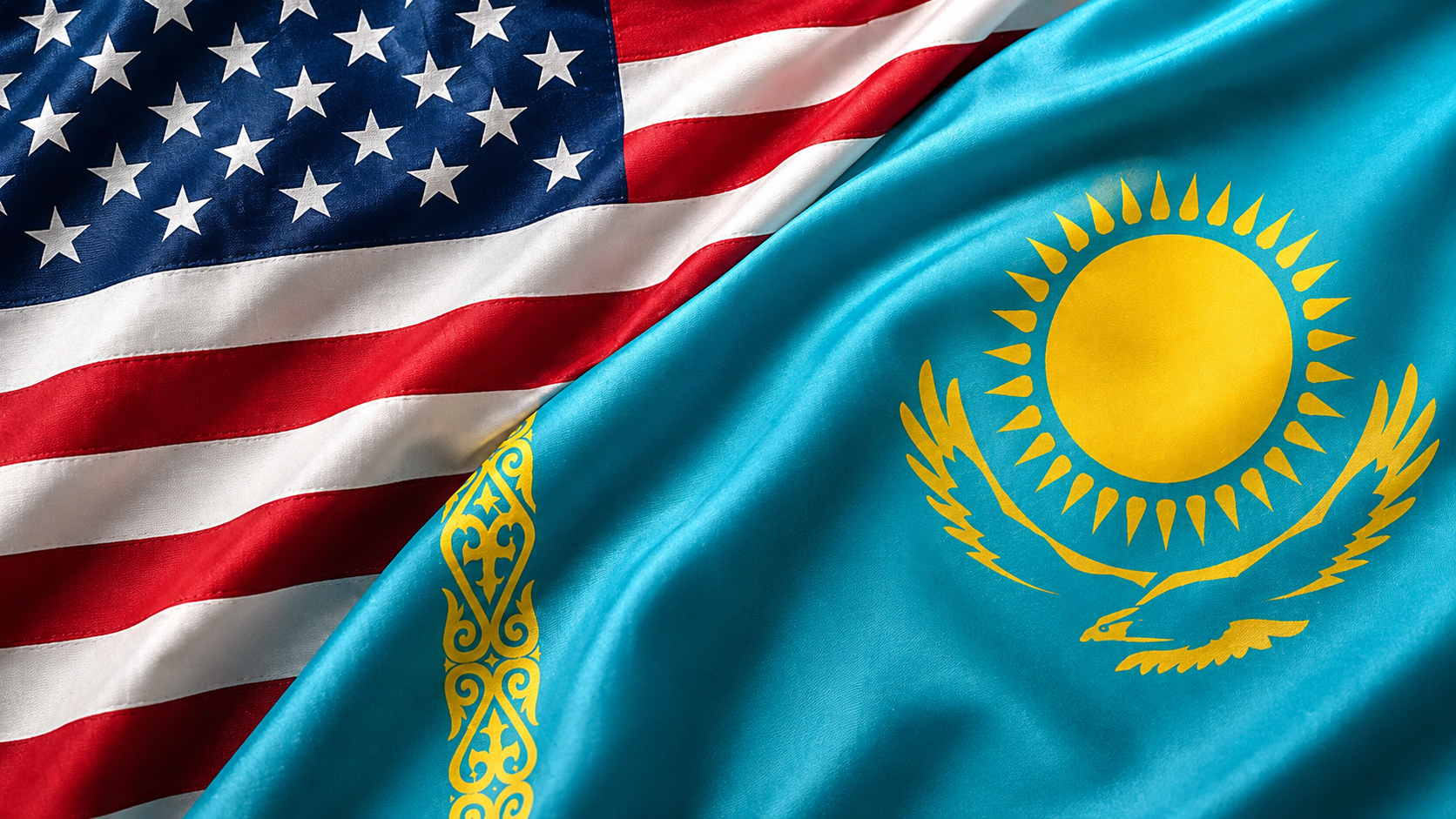
The United States has introduced an additional 12.5% import tariff on selected goods originating in Kazakhstan.
The final decision was taken on July 23, 2026 following an investigation conducted by the Office of the United States Trade Representative. The new rate applies from July 24 to products that are not included in the approved US exemption lists.
According to estimates from Kazakhstan’s Ministry of Trade and Integration, the measure will affect approximately 5% of the country’s exports to the United States by value. The remaining 95% will continue to enter the market without the new additional tariff.
The overall impact on bilateral trade is therefore expected to be limited, although individual companies could face a significant increase in the cost of accessing the US market.
Previous 10% Surcharge Will Not Be Added
A temporary 10% import surcharge had previously been in force. It was introduced for a period of 150 days and expired as the new tariff regime took effect.
The two rates will therefore not be combined. Kazakh goods outside the exemption lists will face an additional tariff of 12.5%, rather than a combined rate of 22.5%.
This clarification is important for exporters and US importers calculating landed costs and negotiating how the additional expense will be distributed.
The duty is formally collected when goods enter the United States. Its economic cost, however, may be shared between the importer, supplier and final customer depending on contractual terms, market competition and the possibility of adjusting prices.
Why the United States Introduced the Tariffs
The duties were imposed under Section 301 of the US Trade Act of 1974. The mechanism allows the US government to respond to foreign practices that it considers unreasonable or restrictive to American commerce.
The Office of the United States Trade Representative investigated 60 economies. It concluded that they had either failed to introduce or had not effectively enforced a prohibition on imports produced wholly or partly with forced labour.
The decision does not mean that the United States accused Kazakh producers of directly using forced labour. The US complaint concerns the existence and enforcement of a national mechanism preventing such goods from entering Kazakhstan from third countries.
Some trading partners received a 10% rate, while Kazakhstan and most of the other economies covered by the action are subject to a 12.5% tariff.
Exemptions Protect Most Kazakh Exports
The US decision includes several categories of product exemptions. The additional tariff does not apply to goods covered by the lists approved by the United States Trade Representative.
Exemptions include certain products already covered by other special US tariffs, as well as goods considered important to the American economy or unavailable from domestic producers in sufficient quantities.
The composition of Kazakhstan’s exports explains why around 95% of shipments will remain outside the measure. A large part of the country’s trade consists of raw materials, metals and other goods included in the approved exemptions.
The exemption does not automatically cover every shipment from Kazakhstan. Each product must correspond to a specific US tariff classification and meet the conditions established in the official tariff notice.
Incorrect classification, insufficient proof of origin or inconsistencies in shipping documents could result in duties being charged even when the exporter expected the goods to qualify for an exemption.
Exporters Face Higher Market-Access Costs
Companies whose products are covered by the new rate will primarily face reduced price competitiveness in the United States.
US buyers could request discounts, switch to alternative suppliers or reduce order volumes. Products with narrow margins and goods facing strong competition from suppliers in other countries will be particularly exposed.
Exporters should review tariff classifications, contract terms and the allocation of responsibility for import charges. Agreements signed before the tariff was introduced but covering deliveries after July 24 require particular attention.
Companies may also reassess routes, shipment sizes and delivery schedules. Expectations of higher US tariffs had already influenced global logistics, with container freight rates reaching their highest level in 18 months as shippers accelerated cargo movements ahead of changing trade conditions.
If the tariff remains in place for an extended period, some producers may need to diversify exports and seek additional customers in Europe, Asia and the Middle East.
Overall Impact Will Be Limited but Uneven
The 95% exemption estimate indicates that the new tariff should not cause a major reduction in Kazakhstan’s total exports to the United States.
Its impact will nevertheless be uneven. Major exporters of exempt products may experience little change, while businesses within the remaining 5% could face contract renegotiations and lower profit margins.
The national share of an affected product does not fully reflect its importance to an individual company. A category representing only a small part of Kazakhstan’s total exports could still be a producer’s principal source of US revenue.
Additional compliance work may also affect logistics providers, freight forwarders and customs specialists. They will need to verify product classifications more carefully and include the new tariff rules when calculating total delivery costs.
Kazakhstan Will Continue Talks with the United States
Kazakhstan’s Ministry of Trade and Integration said it would continue engaging with the US authorities.
The discussions are intended to protect the interests of Kazakh exporters and identify solutions that preserve stable trade flows and reasonable market-access conditions.
Kazakhstan could seek an expansion of the exemption lists or adjust its regulatory framework in response to the concerns identified during the US investigation.
The immediate priority for businesses will be to determine which specific products are subject to the new rate. Exporters will also need to assess the impact on existing contracts and agree with their US partners how any additional costs will be allocated.