

EY Outlines Two Scenarios for the UK Economy
Prolonged disruption to shipping through the Strait of Hormuz could push the UK economy into contraction in 2027, according to the latest EY UK Economic Outlook.
The downside scenario assumes that traffic through one of the world’s most important energy routes remains severely restricted until early or mid-2027.
Under these conditions, UK economic growth would slow to 0.5% in 2026 before gross domestic product contracts by 0.2% in 2027.
Inflation Could Rise to 6.4%
Higher oil, gas and electricity prices would become the main source of pressure on the British economy. More expensive energy would increase costs for businesses, transport operators and households.
EY estimates that inflation could reach 6.4% by the end of 2026 if the disruption continues for an extended period.
If full commercial shipping through the Strait of Hormuz is restored in the coming months, inflation is expected to peak at a significantly lower level of around 3.5%.
Under the more favorable scenario, EY forecasts UK economic growth of 0.8% in 2026 and 1.2% in 2027.
Energy Route Disruption Raises Transport Costs
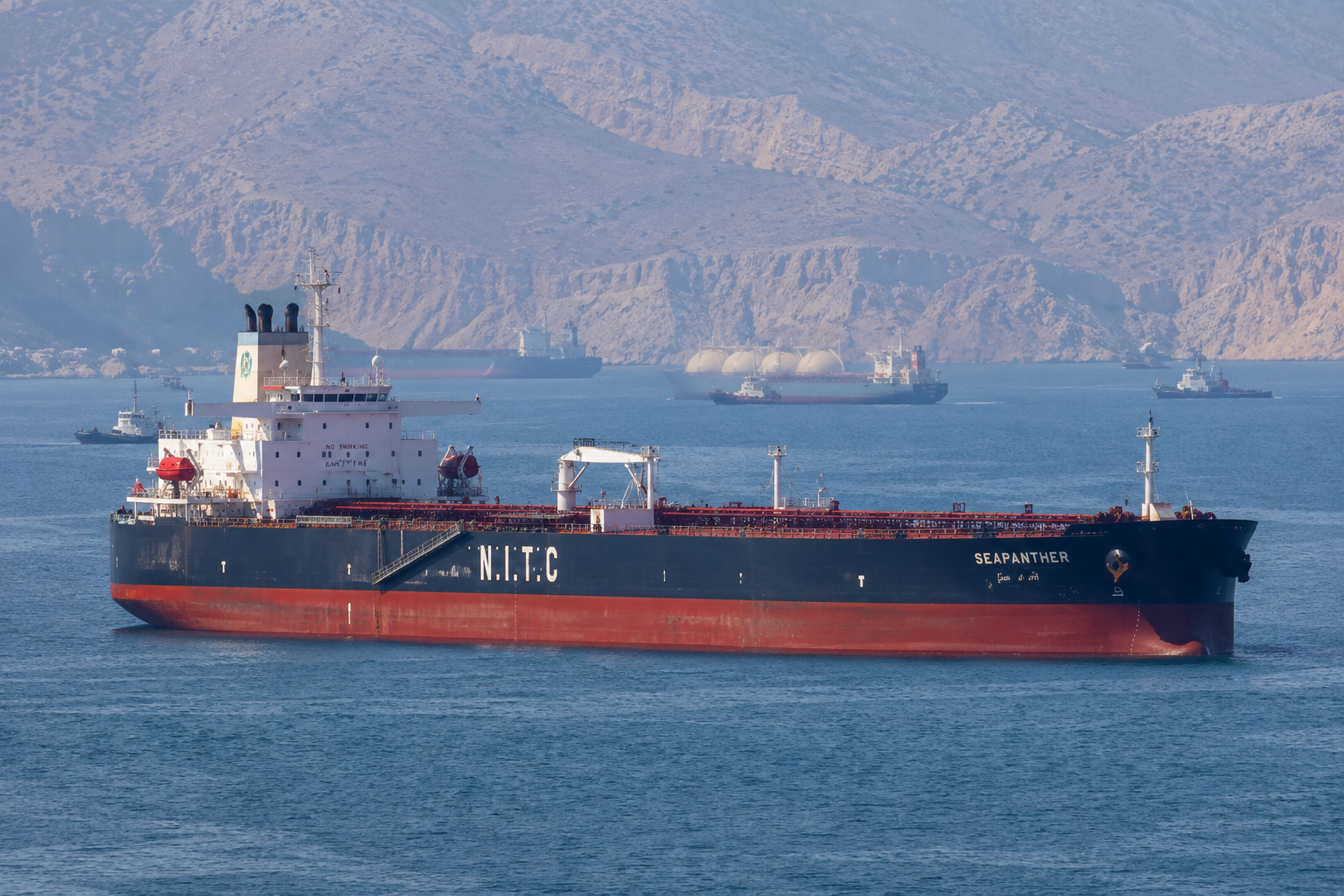
The Strait of Hormuz connects the Persian Gulf with the Indian Ocean and is a critical export route for crude oil, liquefied natural gas and petroleum products.
Restrictions on shipping increase the cost of energy, freight and marine insurance. These additional expenses gradually spread to road transport, industrial production, warehouse logistics and consumer prices.
A prolonged energy shock would be particularly damaging to the UK because of its high industrial electricity costs and weak consumer spending growth.
Extended Closure Could Deepen the Downturn
EY UK Chief Economist Peter Arnold said that restoring shipping through the strait in the coming months would help Britain avoid a more pronounced economic downturn.
However, disruption extending into 2027 would increase inflationary pressure and could push the economy into contraction.
EY’s forecast remains a scenario rather than a definitive outcome and will depend on the duration of the restrictions, global energy market conditions and the timing of stable supply flows through the Persian Gulf.
Read also: Iran Proposes New Shipping Rules for the Strait of Hormuz