

New Rules Take Effect on August 17
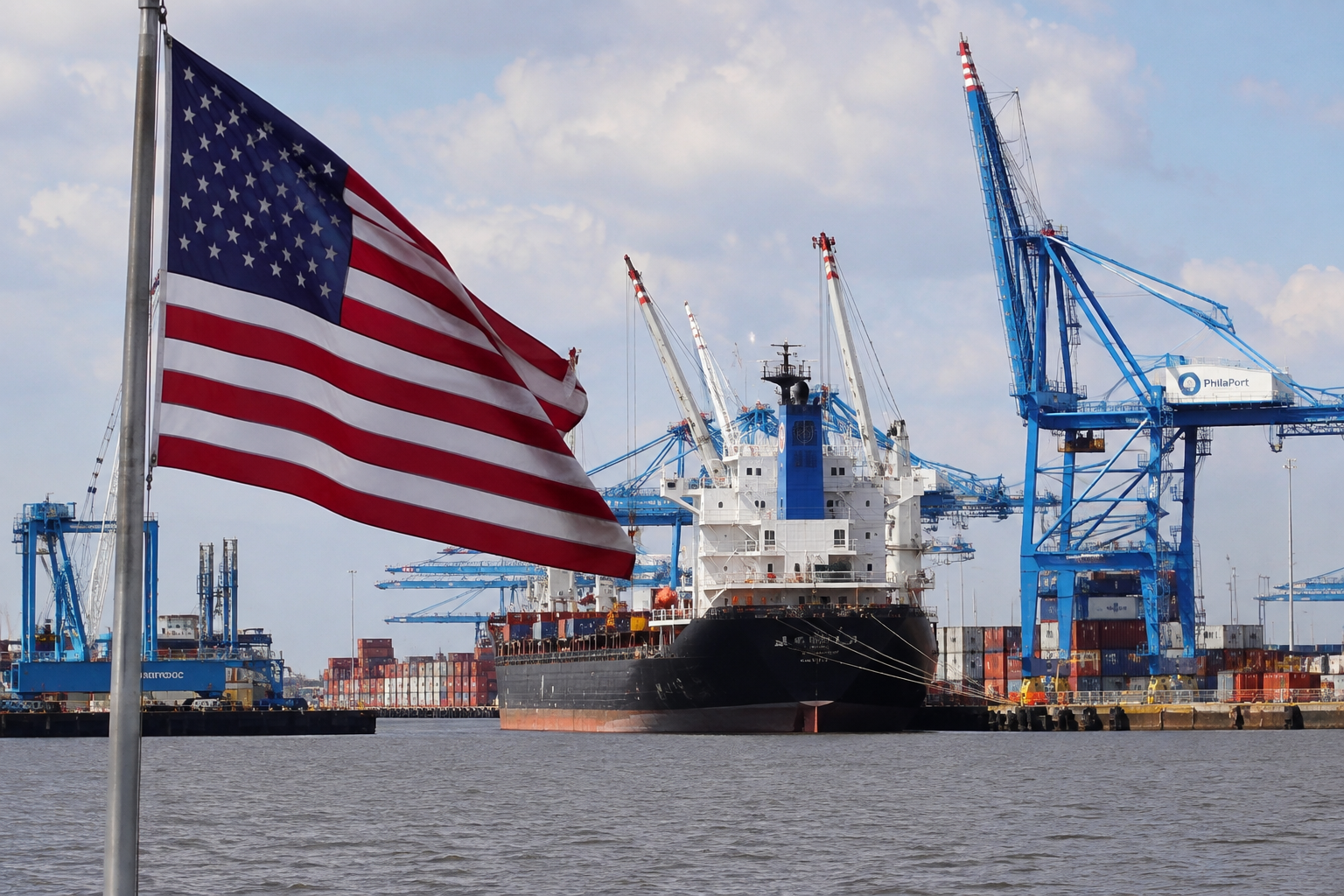
US President Donald Trump has extended the temporary Jones Act waiver for another 90 days, Reuters reported. The decision will take effect on August 17, 2026, after the existing waiver expires on August 16.
The Jones Act, enacted in 1920, generally requires cargo moving between US ports to be carried on vessels built in the United States, owned by US companies, registered under the US flag and crewed by American mariners.
The waiver allows foreign-flagged vessels to participate in domestic maritime transport, but exemptions will no longer be applied automatically to all eligible shipments.
Each Voyage Will Be Reviewed Separately
Under the revised conditions, every voyage must undergo an individual assessment. The US Department of Defense will consult with the Maritime Administration, or MARAD, to determine whether a suitable Jones Act-compliant vessel is available.
A foreign vessel will only be permitted to operate between US ports after the authorities review the specific route, cargo and availability of domestic shipping capacity. The measure replaces the broader exemption mechanism used during the previous waiver period.
Waiver Limited to Selected Commodities
The extension primarily covers energy products and agricultural commodities. Eligible cargo includes crude oil, gasoline, diesel, jet fuel, fertilisers and soybean oil. Coal and coal-derived products are excluded from the revised waiver.
The White House said the extension was needed to maintain uninterrupted access to critical resources for the US military and major industries amid global oil supply disruptions caused by the war with Iran.
US government data showed that approximately 208 Jones Act exemptions had been granted during the four-and-a-half months ending August 3.
Maritime Industry Divided Over Extension
The American Petroleum Institute supported the decision, arguing that targeted waivers would provide greater flexibility to move energy products between US ports and reduce the risk of fuel supply disruptions.
US shipbuilders, maritime unions and domestic vessel operators opposed the extension. They argue that allowing foreign vessels into domestic trade reduces work for American ships and could weaken the country’s shipbuilding and maritime employment base.
The American Maritime Partnership described the case-by-case assessment as an improvement over the previous broad waiver but called for rigorous reviews of every request and careful checks on the availability of US vessels.
Read also: Analytical Report: The Blockade of the Strait of Hormuz During the U.S.-Israeli War Against Iran