

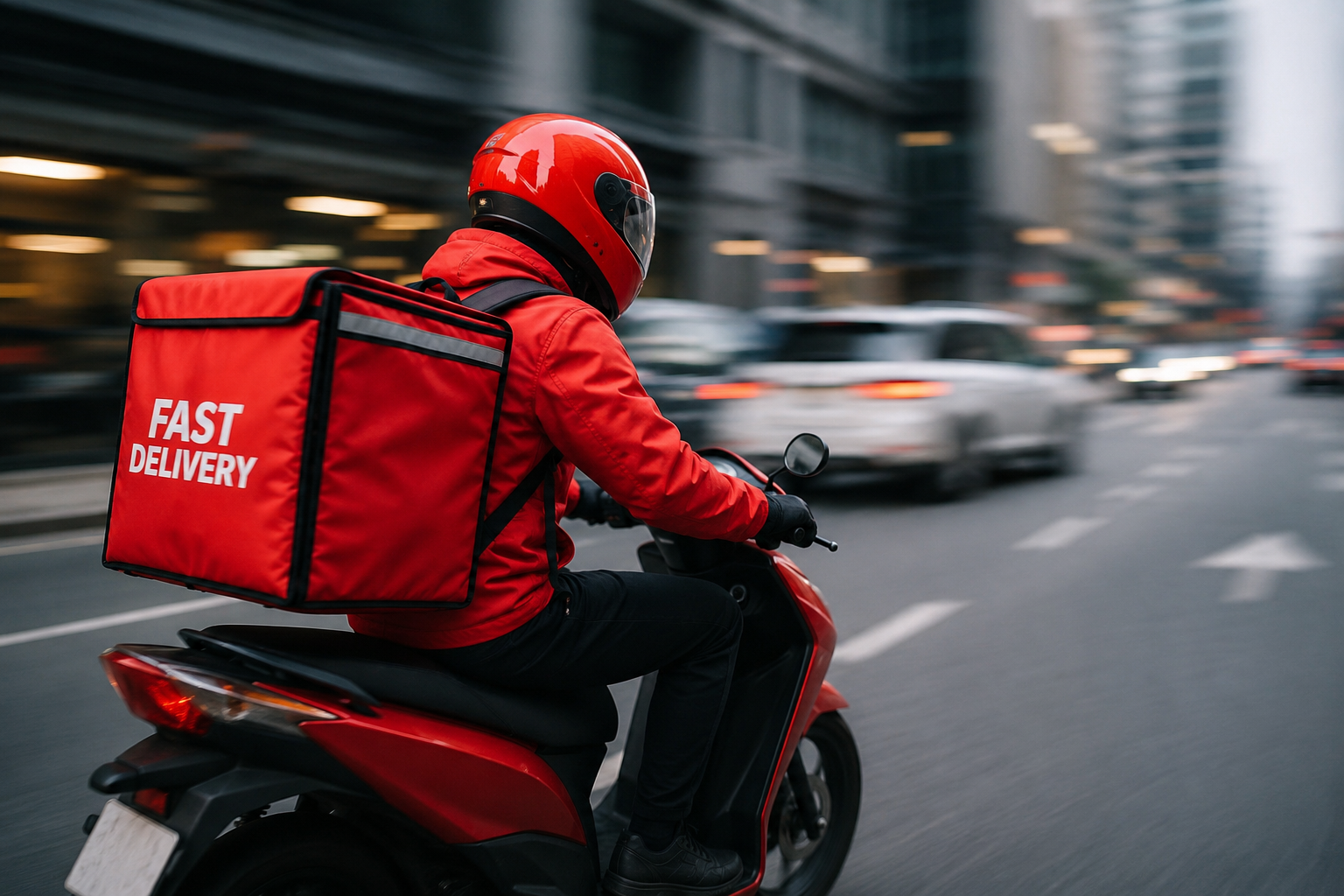
America’s grocery supply chain is entering a new phase.
What was once marketed as a premium convenience for last-minute purchases has rapidly evolved into a mainstream fulfillment model. According to the latest Coresight Research U.S. Online Grocery Survey, rapid grocery delivery is no longer an emergency service—it has become a primary shopping channel for millions of American households.
Nearly 38% of online grocery shoppers said that most or nearly all of their grocery purchases over the past year were fulfilled through rapid delivery services, highlighting a significant shift in consumer expectations and forcing retailers to rethink their logistics strategies.
Competition Is Moving Beyond Price to Speed
The rapid delivery market has become one of the most competitive segments in U.S. retail logistics.
Many supermarket chains continue to rely on technology platforms such as Instacart and DoorDash to provide last-mile fulfillment, while retail giants Walmart and Amazon are expanding their own delivery networks to gain greater control over customer experience and operating costs.
Walmart Express remains the most widely used rapid grocery delivery service in the United States, maintaining its leadership position since 2023. However, competition continues to intensify. In 2026, DoorDash overtook Instacart in consumer usage for the first time, reaching 45.2% compared with 43.9% for Instacart.
Meanwhile, Amazon posted one of the strongest gains in the sector, with rapid delivery usage increasing from approximately 35% in 2025 to 42% in 2026, supported by the expansion of its 30-minute delivery program across additional U.S. markets.
Rapid Delivery Is Becoming Everyday Grocery Shopping
The report suggests that consumer behavior is changing just as quickly as delivery networks themselves.
Rapid fulfillment is no longer limited to forgotten household essentials or emergency purchases. Instead, shoppers are increasingly using these services for their routine weekly grocery orders.
Shelf-stable packaged foods were the most frequently purchased category, with nearly 53% of respondents ordering them through rapid delivery during the past year. More than half purchased fresh fruits and vegetables, while nearly 49% ordered fresh dairy products, meat, fish, or eggs.
The growing demand for fresh and perishable products indicates increasing consumer confidence in rapid fulfillment services. Rather than viewing speed as a potential risk to product quality, shoppers increasingly associate shorter delivery times with improved freshness.
Logistics Is Becoming the Competitive Advantage
For supply chain operators, the findings extend far beyond consumer preferences.
Supporting reliable 30-minute delivery requires dense urban fulfillment networks, strategically located micro-fulfillment centers, intelligent route optimization, real-time inventory visibility, and highly efficient last-mile operations.
As retailers continue investing in these capabilities, logistics is becoming one of the industry’s primary competitive differentiators. Success will depend not only on product assortment or pricing but also on how quickly and consistently companies can move inventory from warehouse shelves to customers’ front doors.
Industry Outlook
Coresight concludes that rapid grocery delivery has officially moved into the retail mainstream. What began as a convenience service is evolving into a standard fulfillment option, reshaping grocery logistics, last-mile delivery networks, and supply chain investment priorities across the United States.