

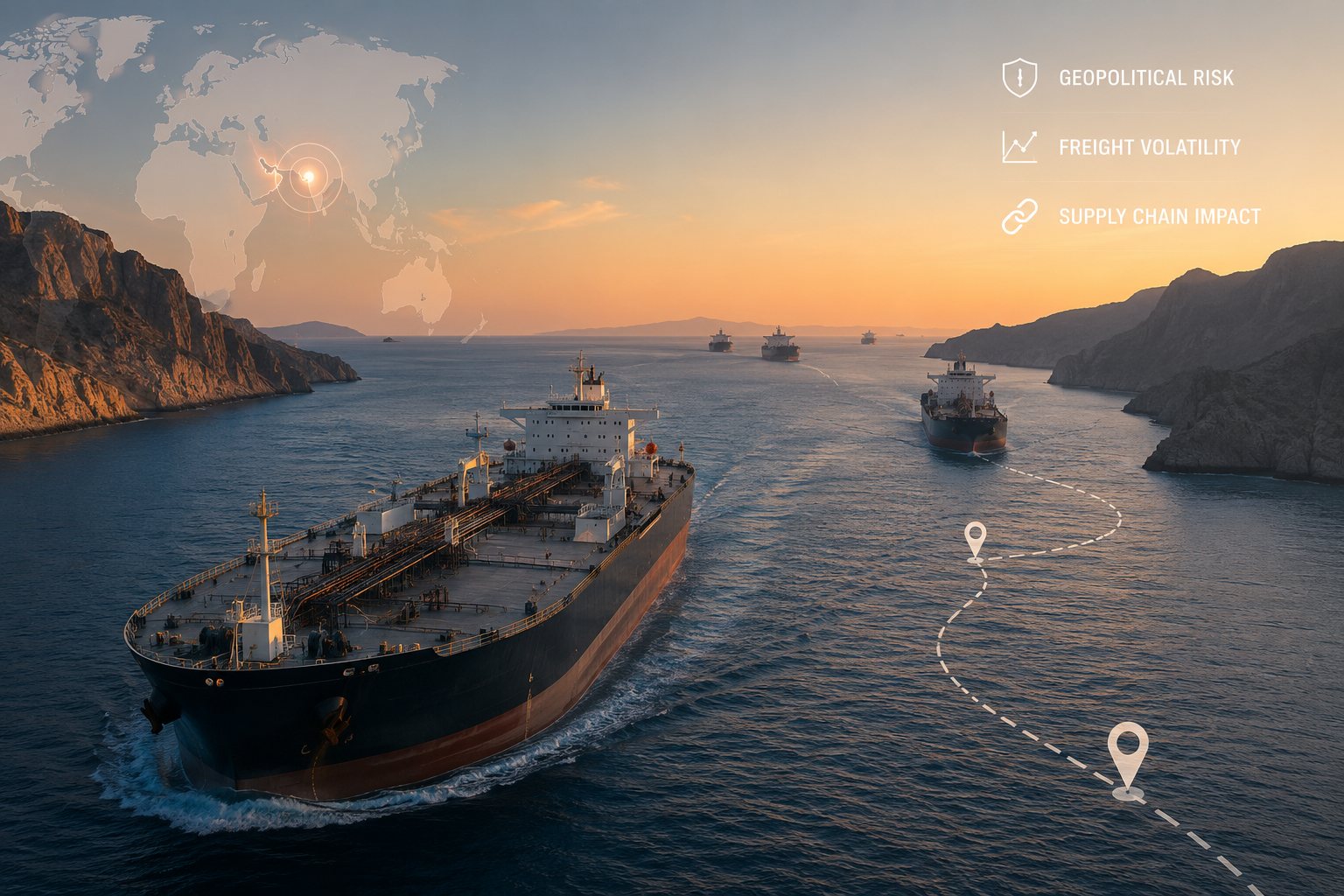
Even if navigation through the Strait of Hormuz fully returns to normal, the global tanker industry can no longer view the situation as a one-off crisis. This was stated by Christoph Töpfer, CEO of Borealis Maritime and founder of Borealis Tankers, while commenting on the key challenges that will be discussed at the upcoming Splash Singapore conference.
According to Töpfer, tensions surrounding the Strait of Hormuz will continue to influence the global markets for crude oil, natural gas, and refined petroleum products. The impact extends far beyond the safe passage of vessels and includes:
- changes in global shipping routes;
- higher marine insurance costs;
- volatility in freight rates;
- reassessment of investment programs in the Middle East’s energy infrastructure.
The industry expert believes shipping companies must prepare for a future in which disruptions along one of the world’s most strategically important maritime corridors become a recurring challenge rather than an exceptional event. Under these circumstances, governments, shipowners, energy companies, and commodity traders will need to place greater emphasis on supply chain resilience, pipeline infrastructure development, and the expansion of strategic energy reserves.
Töpfer also highlighted another major topic for the coming year — the digital transformation of shipping. He expects artificial intelligence to help maritime companies optimize voyage planning, improve the analysis of vessel-generated data, automate port operations, and enhance fleet efficiency. In his view, the most tangible short-term benefits will come from predictive maintenance technologies and AI-driven voyage optimization.
These issues will be discussed by Christoph Töpfer during Splash Singapore, which will take place on September 24 in Singapore. As part of the tanker market panel, leading shipping executives will examine global tanker market prospects, the impact of geopolitical risks, and the future development of maritime logistics.
Read also: Anglo-Eastern CEO Calls on the Shipping Industry to Move Beyond “Comfortable Consensus