

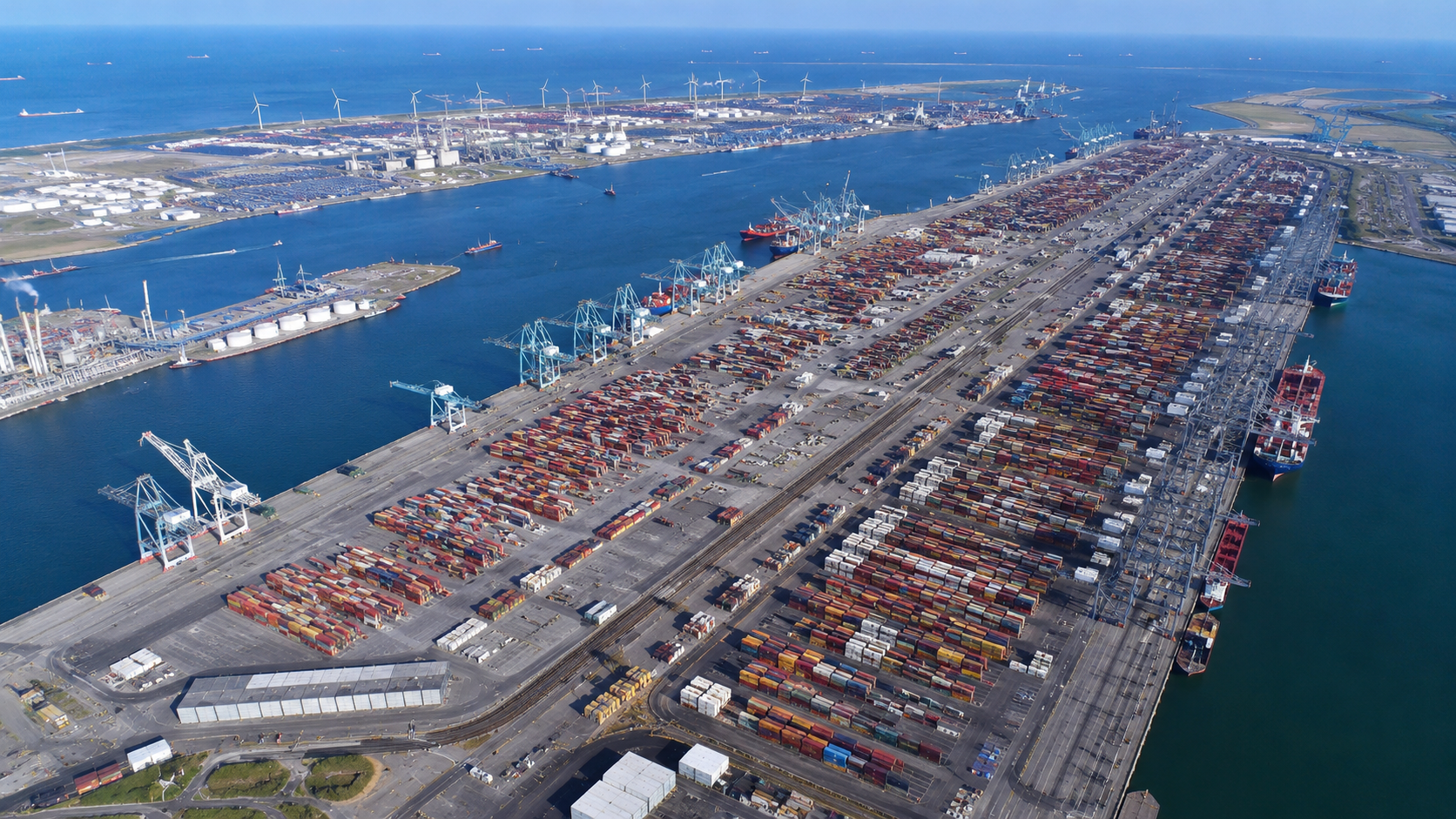
One of the most prominent examples of this transition is the Port of Rotterdam, Europe’s largest logistics hub, which is actively implementing digital tools to enhance the efficiency of the entire port ecosystem.
Following the publication of the Port of Rotterdam’s 2026 Digital Report, Port Technology International spoke with Tamires Beltrão, Head of Data Analytics at Port Performance, about the current state of digital transformation. Drawing on more than 12 years of experience in performance management, business intelligence, and data analytics, Beltrão explained how modern technologies are helping organizations make more informed decisions, improve collaboration across supply chains, and create measurable value for port customers.
Digitalization Becomes Part of Everyday Operations
One of the key findings of the digital report is that innovative solutions are gradually moving beyond the pilot stage. Instead, they are becoming an integral part of day-to-day port operations.
According to Beltrão, the most visible changes have occurred in areas where digital platforms are directly connected to traffic management and infrastructure utilization. One notable example is Nextlogic, a system designed to coordinate inland waterway transport. Through automated route planning and vessel scheduling optimization, the platform significantly reduces waiting times and improves the efficiency of inland shipping operations.
Port call optimization systems also play a critical role. Modern digital tools provide shipping stakeholders with up-to-date information on vessel arrival times, berth availability, and infrastructure status. This helps minimize delays and ensures more efficient use of available resources.
Another important area of digitalization involves real-time information services for truck drivers. These systems provide live updates on traffic conditions, terminal congestion, and potential bottlenecks, enabling drivers to adjust routes quickly and reducing the likelihood of traffic jams in and around the port area.
Data as the Foundation for Decision-Making
Modern ports generate enormous volumes of information. Data flows continuously from vessels, terminals, transport operators, traffic management systems, and a wide range of sensors deployed throughout port infrastructure.
However, success depends not on the sheer volume of data, but on the ability to use it effectively.
Today’s analytics platforms can combine information from multiple sources into a single digital environment. This allows managers to gain a comprehensive view of operations and make decisions based on objective insights rather than assumptions.
Beltrão notes that the way digital initiatives are evaluated has also changed significantly in recent years. Whereas technological novelty was once considered a primary indicator of success, attention is now focused on tangible outcomes. Key performance indicators include operational efficiency, cargo handling speed, reduced downtime, improved safety, and enhanced customer service.
This results-oriented approach enables organizations to better assess the economic impact of digital investments and direct resources toward the most promising opportunities.
Next-Generation Digital Infrastructure
One of the most important components of digital transformation is the modernization of physical port infrastructure.
Berths, storage facilities, transport hubs, and engineering assets are gradually evolving into intelligent systems capable of continuously reporting on their own condition. Through sensors and Internet of Things (IoT) technologies, operators can monitor technical parameters in real time, identify potential issues before they escalate, and schedule preventive maintenance more effectively.
This approach reduces the risk of operational disruptions, lowers maintenance costs, and extends the lifespan of critical infrastructure assets.
In addition, digital twins and other advanced modeling technologies help predict future infrastructure demands, enabling better planning and more informed investment decisions based on real operational data.
Strengthening Collaboration Across the Port Community
A modern port is a highly complex ecosystem involving numerous stakeholders, including shipping lines, terminal operators, transport providers, freight forwarders, customs authorities, and government agencies.
The efficiency of the entire system depends heavily on effective collaboration among these participants.
Digital platforms create a shared information environment where stakeholders can access relevant data and coordinate activities more efficiently. This reduces errors, minimizes paperwork, and accelerates operational processes.
The benefits become particularly evident during periods of disruption, when market volatility, adverse weather conditions, or supply chain interruptions require rapid decision-making and flexible planning.
Moving from Reactive Management to Predictive Operations
One of the most promising areas of development is the application of predictive analytics and artificial intelligence.
Advanced algorithms can analyze historical data, identify patterns, and forecast potential operational changes. This enables ports to detect bottlenecks before they occur, anticipate terminal congestion, and optimize resource allocation.
Rather than reacting to problems after they arise, port operators can proactively prevent disruptions during the planning phase.
This shift from reactive management to proactive operations is becoming one of the defining advantages of digital transformation.
The Economic Impact of Digitalization
Experience shows that digital transformation affects not only operational performance but also financial outcomes.
Reducing cargo handling times, minimizing vessel and vehicle idle periods, improving infrastructure utilization, and enhancing planning accuracy all contribute to lower operating costs.
For port customers, this translates into more predictable delivery schedules, reduced logistics expenses, and greater supply chain reliability.
As competition among global ports continues to intensify, the ability to adapt quickly to changing conditions and leverage data effectively is becoming a critical competitive advantage.
The Future of Digital Ports
The Port of Rotterdam’s experience demonstrates that digital transformation is no longer a matter of technological experimentation. It is about building a new model of port management in which data becomes a strategic asset alongside infrastructure and transportation networks.
The integration of digital platforms, the development of intelligent infrastructure, and the adoption of analytics and artificial intelligence are creating the foundation for more resilient, efficient, and agile port operations. In the years ahead, these capabilities will play a defining role in the evolution of global maritime logistics, helping ports manage growing cargo volumes while meeting the increasingly complex demands of the global economy.
Read also: https://k2cargo.news/tunnel-renovation-to-reshape-traffic-flow-in-munich/
