

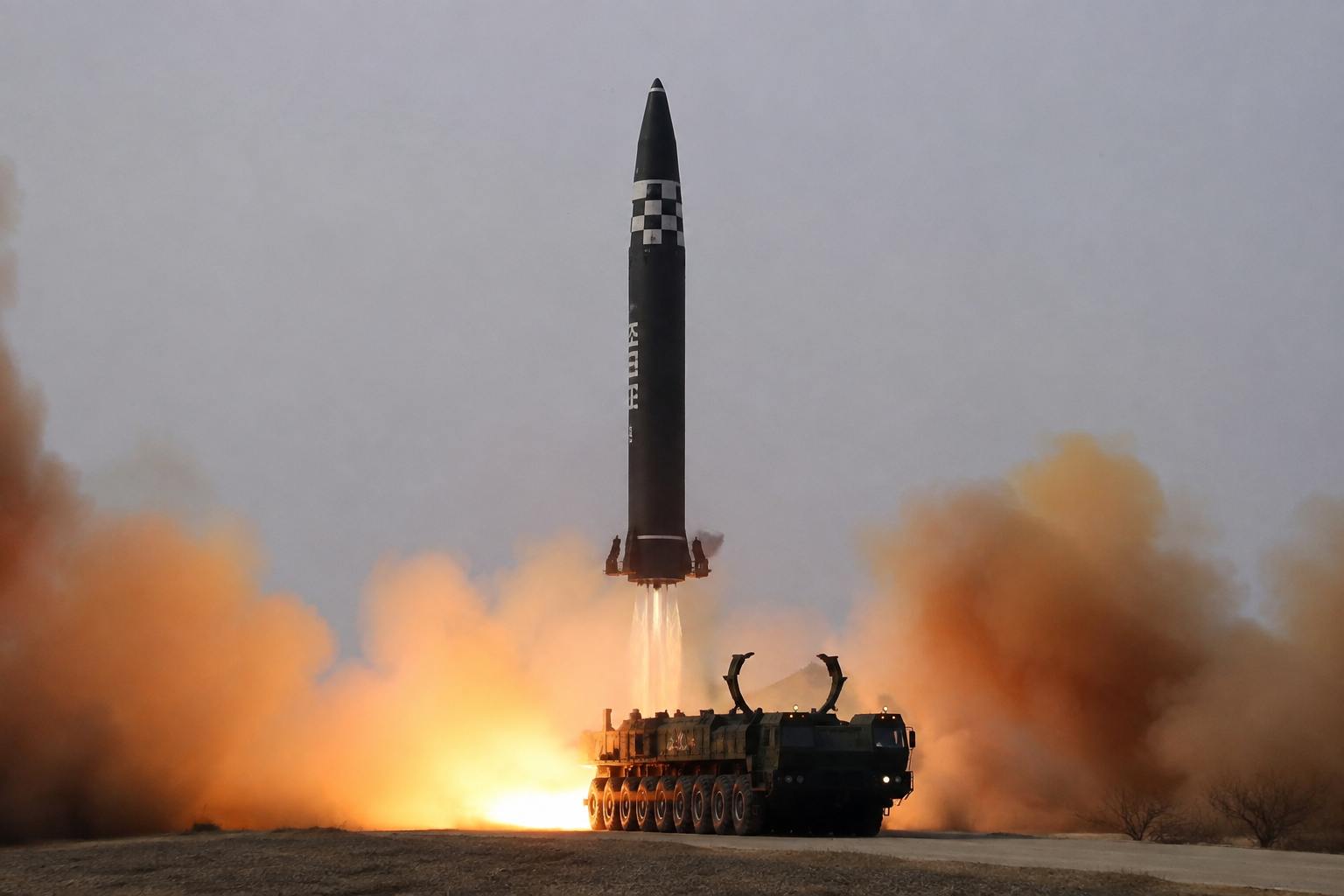
Second Launch in Six Days
On the morning of August 12, North Korea launched a ballistic missile from the Wonsan area toward the sea. According to South Korean and Japanese authorities, the missile traveled more than 700 km before falling outside Japan’s exclusive economic zone. It was the second similar launch from the same area in less than a week.
South Korean military officials have not yet determined the missile’s exact type. Its range suggests it could belong to the short-range ballistic missile class, although analysts have not ruled out more advanced systems, including a hypersonic weapon or a submarine-launched missile.
Why Now?
The most obvious factor is the approaching joint US-South Korean military exercises, known as Ulchi Freedom Shield. The drills are scheduled to take place from August 17 to 27 and are designed to rehearse the allies’ response to an evolving military threat from North Korea.
For Pyongyang, such exercises have traditionally been a reason to demonstrate military strength. But the latest sequence of events is more telling than routine rhetoric: a launch on August 6 was followed by another test just days before the drills. Hong Min, a senior researcher at the Korea Institute for National Unification, said the test may have been part of North Korea’s existing weapons development schedule, but that the timing could still have carried a political message.
Pyongyang Pressures Seoul and Tokyo
The missile test was not the only signal. North Korea has also stepped up its rhetoric toward South Korea and Japan, criticizing their defense programs.
Pyongyang has been particularly critical of Seoul’s plans to develop nuclear-powered submarines. North Korean officials said such projects would increase instability in the region and require Pyongyang to strengthen its ability to deter potential adversaries.
At the same time, North Korea has criticized Japan’s evolving defense policy. Tokyo, for its part, lodged a strong diplomatic protest over the missile launch.
When Weapons Become Part of Diplomacy
The problem on the Korean Peninsula is no longer simply about the number of missiles North Korea possesses. Pyongyang uses weapons tests to respond to the actions of its neighbors while demonstrating that military pressure will not force it to back down.
The United States has so far assessed that the launch did not pose an immediate threat to US personnel or territory. South Korea and Japan have increased surveillance and coordination.
The result is a familiar cycle: Washington and Seoul expand military planning in response to North Korea’s growing capabilities; Pyongyang responds with missile tests and threats; those actions then become another argument for strengthening the US-South Korean alliance.
As long as this pattern continues, each new missile launch will matter far beyond the hundreds of kilometers covered by the weapon itself. It has become part of a broader political contest in which all sides continue to raise the stakes without a functioning channel for bringing tensions back down.
Read also: Attacks on Ships in the Red Sea and off Pakistan Kill Four Crew Members
