

Intelligence Reports a “Clandestine Maritime Bridge”
Italian intelligence services have submitted a report to the government concerning an alleged migrant-smuggling network operating across the Strait of Gibraltar. Details of the assessment were first reported by the Italian newspaper Il Messaggero and subsequently cited by other national media.
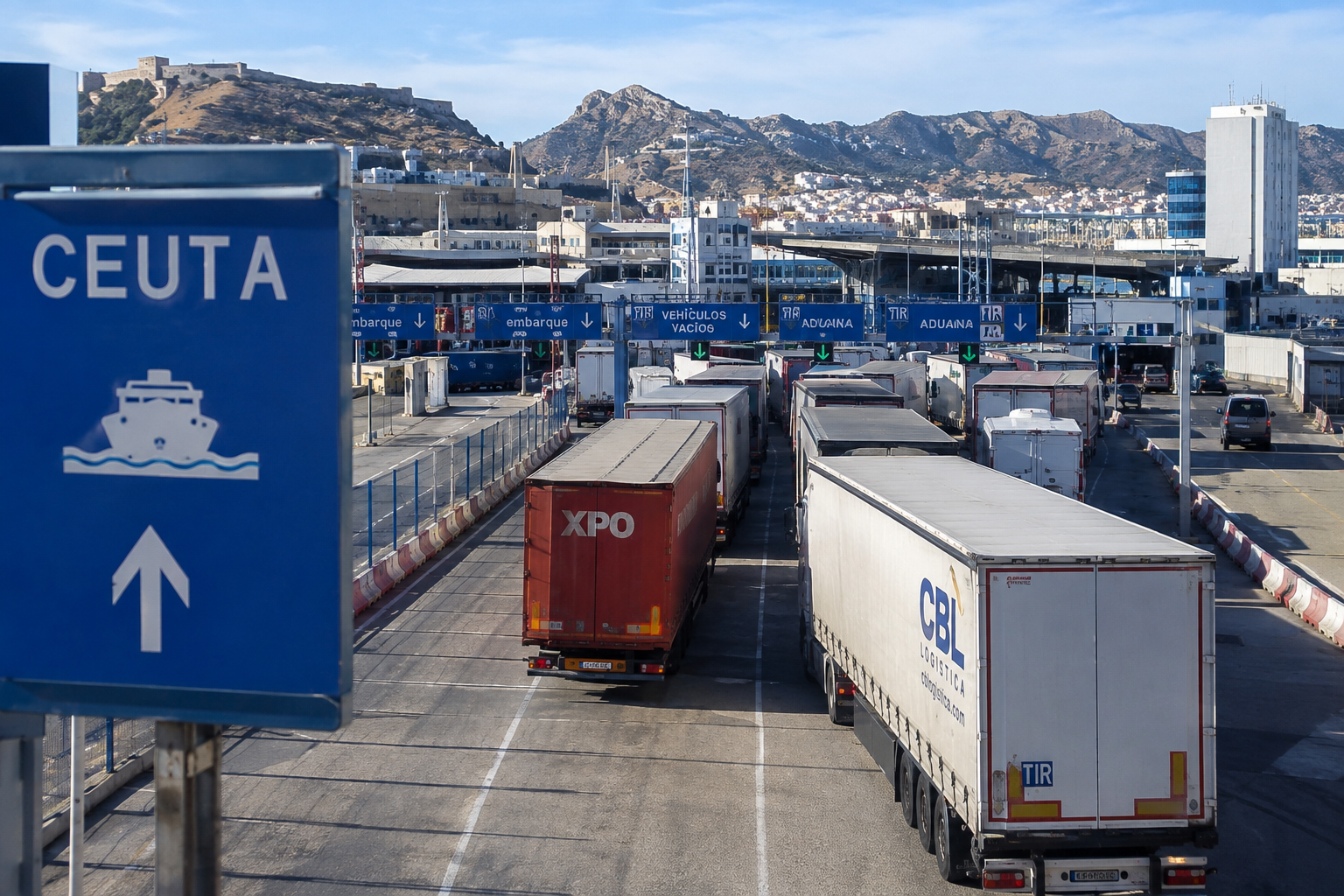
The route is not from Ceuta “to Spain” in a geographical sense, because Ceuta is already a Spanish autonomous city on the North African coast. The alleged operation connects the enclave with mainland Spain, particularly Andalusia.
According to the Italian intelligence assessment, smugglers take passengers to areas around San Roque, Algeciras, Getares and La Línea de la Concepción. The short distance and high speed of the vessels mean that some crossings can reportedly be completed in less than an hour.
Smugglers Use Vessels Linked to Drug Trafficking
The alleged operators use jet skis, speedboats, fibreglass vessels and other small craft. Italian sources believe that some of the equipment was previously used by criminal groups to smuggle drugs across the Strait of Gibraltar.
Potential passengers are contacted through Telegram and other social media platforms. Departures are arranged from less heavily monitored sections of Ceuta’s coastline, while landings take place on beaches in mainland Spain.
The price can reach €7,000 per passenger. According to the published account, part of the fee is paid before departure and the remainder after arrival on the mainland.
The information is based on Italian media reports describing an intelligence assessment. The complete document, identities of specific suspects and confirmed number of completed crossings have not been made public.
Passengers May Be Abandoned at Sea
The most dangerous part of the alleged operation arises when smugglers attempt to evade Spanish patrol vessels. According to information attributed to Italian intelligence, passengers may be forced out of a boat or abandoned at sea when interception appears likely.
They must then attempt to swim to shore, creating a severe risk of drowning. High-speed evasive manoeuvres by overloaded small vessels can also endanger passengers even when the coastguard is not present.
No official figures have been released for deaths or injuries specifically linked to this route between Ceuta and Andalusia.
Italy and Spain Disagree Over Numbers
The assessment contains conflicting estimates of how many migrants remain in Ceuta following the mass movement across the border from Morocco. Italian estimates cited in the report suggest that between 6,000 and 8,000 people may still be in the city awaiting return or an opportunity to request asylum.
Spanish authorities have reported approximately 2,000 remaining migrants. Neither side has disclosed its complete methodology or clarified whether the estimates cover identical groups, meaning the figures should be compared cautiously.
Spain says most people who entered Ceuta during the mass influx have already returned to Morocco. Madrid also stresses that Ceuta is outside the Schengen Area and that irregular entry into the enclave does not provide a right to travel freely across mainland Europe.
Report Does Not Mean the Network Has Been Dismantled
The Italian intelligence assessment describes an alleged route and the methods used by smugglers, but there is no confirmation that the network has been fully dismantled. Spanish law-enforcement agencies have strengthened surveillance in the Strait of Gibraltar and are investigating reported landings along the country’s southern coast.
The situation has deepened tensions between Rome and Madrid over migration and border security. Italian authorities have cited the risk of secondary migration as a reason for temporarily restoring checks on people arriving from Spain.
Read also: Italy Reintroduces Border Controls With Spain From August 1
