

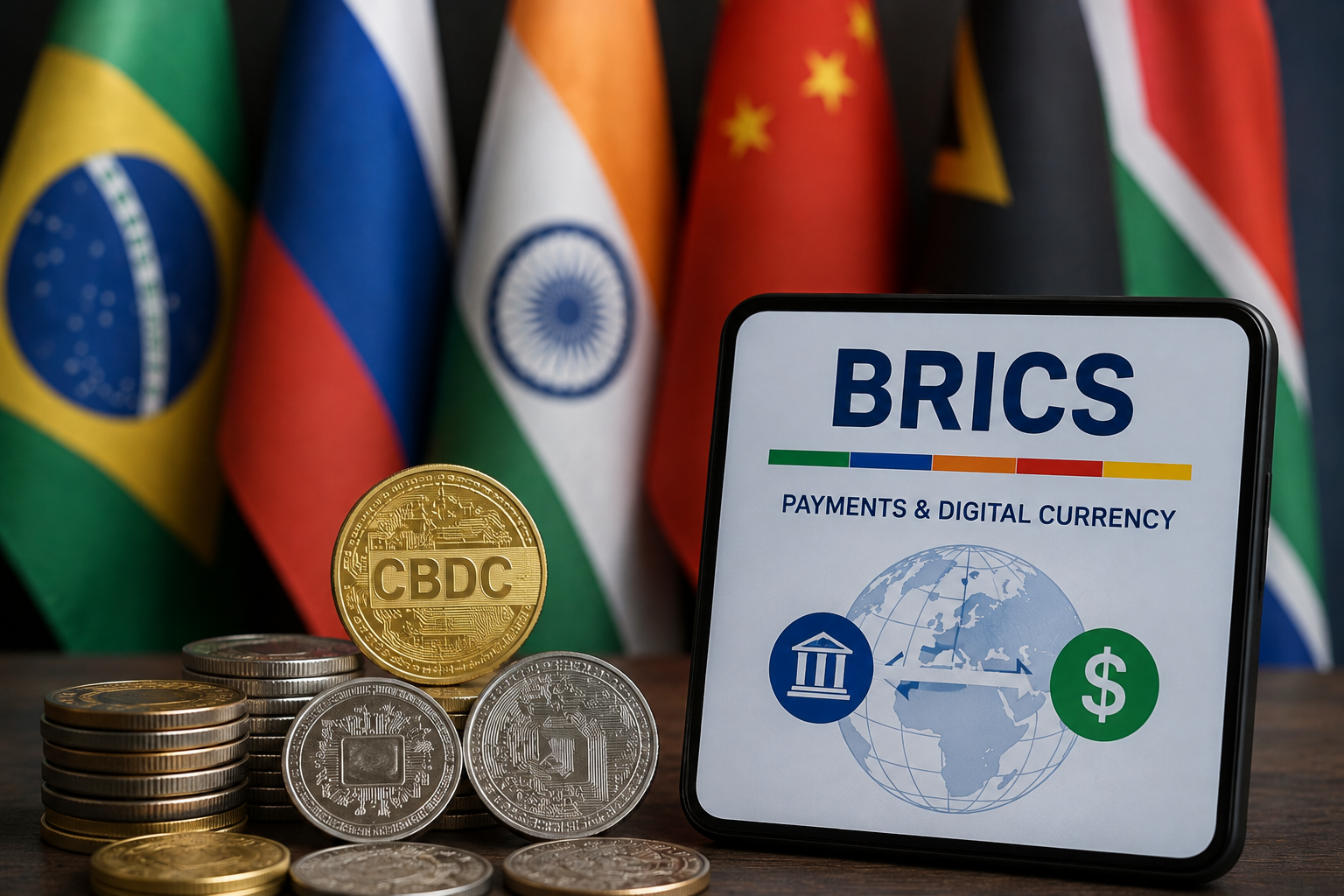
Members Consider Payment System Interoperability
BRICS members are discussing potential links between their national fast payment systems and central bank digital currencies, or CBDCs. Reserve Bank of India Governor Sanjay Malhotra disclosed the talks, Reuters reported.
The initiative is intended to simplify payments between participating economies. Direct interaction between national platforms could potentially reduce the number of intermediaries, shorten settlement times and lower cross-border transaction fees.
The discussions do not yet constitute an agreed BRICS-wide payment system. Members have not determined the technical architecture, governance rules, currency-conversion procedures or settlement mechanism.
CBDCs Could Support Cross-Border Transfers
One option under consideration is interoperability between central bank digital currencies. Unlike private cryptocurrencies, CBDCs are issued and controlled by monetary authorities.
If central banks connect their national CBDC platforms, payments could be processed directly or through a dedicated settlement infrastructure. The participants have not yet chosen a specific model.
The Reserve Bank of India previously recommended placing CBDC interoperability on the BRICS agenda. Malhotra said improving cross-border payments remained a priority for cooperation among the group’s members.
No Common BRICS Currency Is Being Created
The proposal does not amount to the launch of a single BRICS currency. It concerns technical links between existing national systems and wider settlement in members’ own currencies.
Even after selecting a model, central banks would need to align requirements covering customer identification, anti-money-laundering controls, data protection, cybersecurity and the resolution of disputed transactions.
Moving from a policy proposal to an operational network could therefore require separate agreements, technical testing and pilot cross-border transfers.
India Seeks Wider International Use of the Rupee
India also intends to continue promoting the rupee in international trade and payments. The Reserve Bank of India wants to create conditions for broader use of the national currency outside the domestic market.
A larger share of rupee-denominated settlements could reduce currency-conversion costs for Indian companies and limit reliance on intermediary currencies in some transactions. Achieving this will require agreements with foreign banks, sufficient liquidity and practical options for using accumulated rupees in trade and investment.
Interoperable BRICS payment platforms could support this policy, but the structure and implementation timetable have not yet been agreed.
Read also: U.S. and Japan Join Forces to Support the Yen: Why the Two Countries Took This Unusual Step