

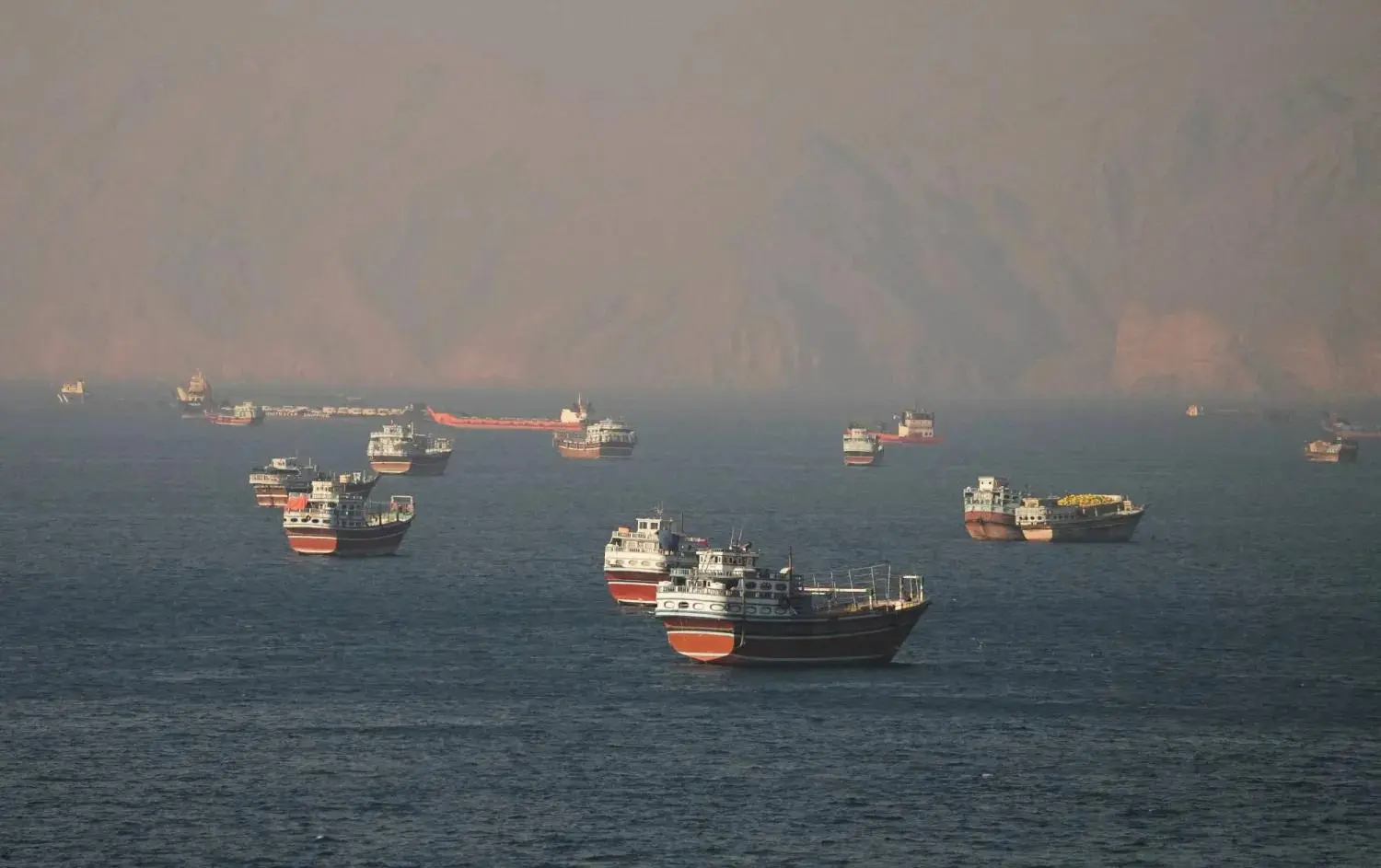
US-Iran Talks Have Stalled
US President Donald Trump said on August 18 that Washington was neither negotiating with Iran nor planning to resume talks. He said there were “no talks … going on, or scheduled” with the Islamic Republic.
The statement followed the expiration of a temporary ceasefire arrangement. According to Reuters, the memorandum provided a 60-day period for negotiating a broader agreement covering Iran’s nuclear program and US sanctions.
Trump’s position also contradicted recent comments by his special envoy Jared Kushner, who had said that dialogue with Tehran was continuing.
Washington and Tehran Disagree on the Strait
Trump said the Strait of Hormuz was “open and operating” and claimed that all naval mines in the area had been removed or detonated. Tehran offered a directly opposing assessment.
Iran’s chief negotiator Mohammad Baqer Qalibaf said the waterway would remain closed until Washington fulfilled the conditions of the June agreement. Iran is demanding an end to the blockade of its ports, the removal of oil sanctions, the release of frozen assets and the termination of military operations and threats.
However, Iran’s declaration does not mean that every vessel has stopped moving through the strait. Preliminary data showed that crossings remained in single digits on August 17. The situation is therefore more accurately described as a severe restriction and an effective disruption of normal commercial traffic rather than a completely airtight physical closure.
Shipping Risks Remain High
The operating environment continues to deteriorate. On August 18, a vessel sailing out through the Strait of Hormuz was struck by an unidentified projectile. Its engine room was damaged and one crew member was injured. Oman’s coast guard assisted the remaining crew.
The International Maritime Organization estimates that around 20,000 seafarers, port workers and offshore personnel are affected by the regional instability. Between June 23 and 26, an IMO safety framework helped 136 vessels and approximately 2,900 seafarers leave the Gulf, but the evacuation plan was subsequently paused.
Hormuz Handled One-Fifth of Oil and LNG Flows
Before the conflict, approximately 20% of global oil and liquefied natural gas flows passed through the Strait of Hormuz. Restricted navigation reduces the export capacity of Gulf producers and pushes shippers to seek pipelines and terminals that can bypass the waterway.
The consequences for logistics include higher war-risk insurance premiums, freight rates, vessel security costs and fuel inventory requirements. Prolonged instability could also raise road, aviation and maritime transport expenses in economies dependent on imported energy.
Oil markets have already responded to the diplomatic stalemate. Brent crude reached $126 per barrel during the conflict, around 75% above its pre-war level. It settled at slightly above $91 per barrel on August 18.
Conflicting Claims Increase Uncertainty
The status of the Strait of Hormuz cannot be assessed solely through statements from Washington or Tehran. Actual vessel crossings, maritime incident reports, insurance availability and operational guidance issued to shipping companies provide a more reliable picture.
With neither side showing signs of compromise, carriers face continuing risks of attacks, delays and route changes. A prolonged disruption in the strait could become one of the main drivers of higher energy and logistics costs across global trade.
Read also: The Strait of Hormuz Again Becomes a Flashpoint Between the US and Iran