

Oil Reaches the Mainland
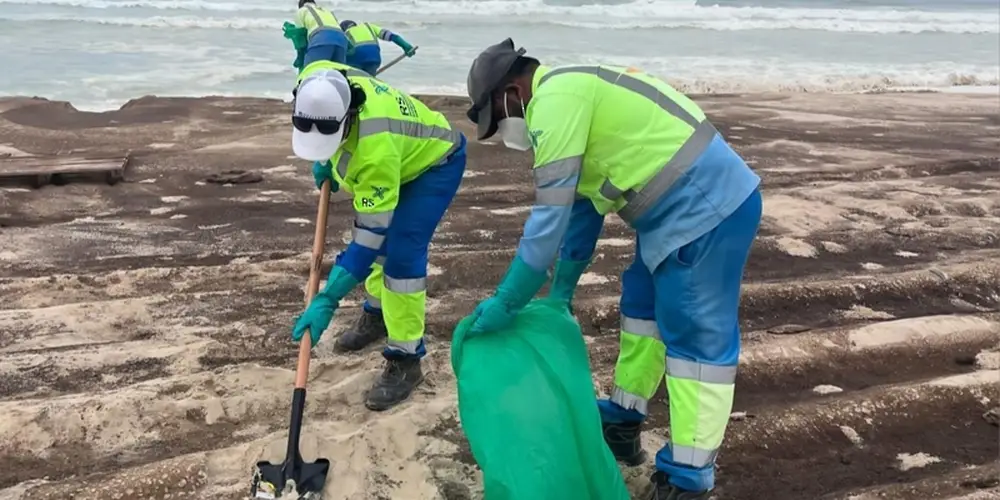
Oman is continuing its response to an oil spill from the Caroline Bezengi tanker, which grounded near the Hallaniyat Islands in Dhofar Governorate. Pollution has reached the Ras Madrakah area and affected approximately 12 kilometres of mainland coastline.
Personnel from the National Committee for Emergency Management are removing oil from sandy sections of the shoreline, largely by hand. The Maritime Executive reported that the beach operation began after currents and seasonal winds pushed part of the offshore slick onto land.
Omani authorities had previously warned that as much as 40 kilometres of coastline could be affected. According to the latest official reports, oil has not reached the southern beaches of Masirah Island, although monitoring continues.
Tanker Was Carrying About 800,000 Barrels
The Caroline Bezengi suffered severe damage following an unexplained incident and suspected explosion on June 8, 2026. The cause has not been officially established, and no party has claimed responsibility.
After its crew was evacuated, the vessel drifted before grounding on June 30 near the uninhabited Al-Qibliyyah Island in the Hallaniyat archipelago. According to information provided by the International Maritime Organization, the tanker was carrying approximately 130,000 tonnes, equivalent to about 800,000 barrels, of crude oil.
That figure represents the cargo aboard the vessel, not the confirmed amount released into the sea. Authorities have not disclosed the total volume of the spill.
Official Estimate Reaches 390 Square Kilometres
Satellite imagery, field surveys and environmental modelling conducted by Omani authorities indicated that the slick covered approximately 390 square kilometres by August 10. It was moving northeast from the Hallaniyat Islands.
Subsequent independent estimates ranged from 600 to 2,000 square kilometres. However, these figures were based on different satellite observations and analytical methods and cannot be directly compared with the official assessment. As of August 19, Oman had not published an updated official area estimate.
Monsoon Conditions Complicate Salvage Work
Oman is coordinating the operation with British risk-management company Ambrey, which has engaged international oil-spill response specialists. Salvage vessels, aircraft and more than 100 tonnes of equipment have been mobilized.
The teams must stop the leak, stabilize the Caroline Bezengi and transfer the remaining crude from damaged tanks. The operation is being complicated by the seasonal Khareef monsoon, strong winds, high waves and the shallow, rocky waters surrounding the grounded vessel.
The tanker has sustained substantial structural damage, and a large section on one side is flooded. Oil-covered decks are creating additional hazards for personnel working aboard the ship.
“The priority is to stop or reduce ongoing pollution, secure the vessel and safely remove its oil cargo,” said Oman’s Director General of Maritime Affairs, Mohammed bin Abdullah Al Rawahi.
Turtles and Humpback Whales Face Environmental Risks
The tanker is stranded inside a protected marine area in the Hallaniyat archipelago. The region supports sea turtles, coral habitats, Socotra cormorants and the endangered Arabian Sea humpback whale population.
Oil reaching shallow waters and beaches can persist in sediment and sand for years. It may damage turtle nesting sites, contaminate feeding habitats and coat the feathers of seabirds.
No official information has confirmed mass wildlife deaths from the spill. The incident nevertheless presents a serious ecological threat, while the full extent of the damage will only become clear after the leak is contained and environmental surveys are completed.
Read also: Oil Spill Off Oman Spreads Across 400 Square Kilometres