

First Pilot Voyage Planned for 2027
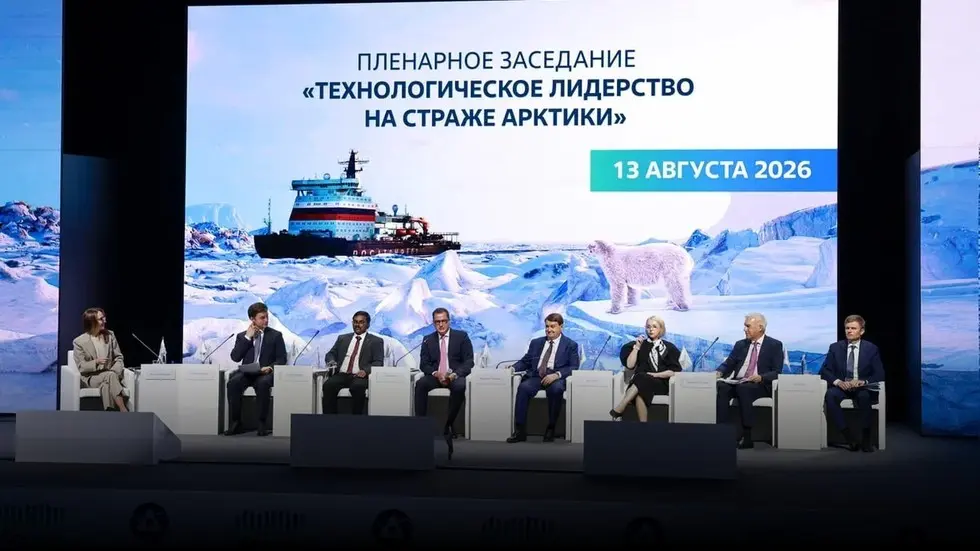
India plans to conduct its first pilot cargo voyage along the Northern Sea Route in 2027. S. Venkatesapathy, joint secretary at India’s Ministry of Ports, Shipping and Waterways, announced the plan during the Arctic–Regions Forum in Arkhangelsk, according to The Economic Times.
The Northern Sea Route extends for approximately 5,600 kilometres along Russia’s Arctic coast and connects the Pacific and Atlantic maritime regions. It is being considered as a shorter option for transporting cargo between Asia and northern Europe than the traditional route through the Suez Canal.
The announcement concerns a pilot voyage rather than a regular commercial service. The operator, vessel type, cargo, port of departure and final destination have not yet been disclosed. It is therefore too early to describe the project as a confirmed permanent India–Europe shipping line.
Chennai–Vladivostok Traffic Increases by 70%
Venkatesapathy said cargo movement on the Chennai–Vladivostok route, known as the Eastern Maritime Corridor, had increased by 70%. India views this growth as a foundation for broader cooperation on Arctic shipping.
The corridor is intended to connect India’s eastern coast with ports in Russia’s Far East. Coking coal, crude oil, liquefied natural gas and fertilisers have previously been identified as potential cargoes.
India and Russia have discussed the route for several years. In 2023, India’s Ministry of Ports, Shipping and Waterways reported preparations for the Eastern Maritime Corridor and talks on potential use of the Northern Sea Route. The countries also agreed to train Indian seafarers for operations in polar and Arctic waters.
Arctic Route Could Shorten Voyages to Europe
Preliminary estimates indicate that the Northern Sea Route could reduce the distance between India and some northern and eastern European ports by up to 40% and cut transit times by approximately two weeks compared with the Suez Canal route.
Actual savings will depend on the selected ports, navigation season, ice conditions, vessel specifications and the need for icebreaker assistance. A shorter geographical route does not automatically guarantee lower transport costs.
Arctic operations may require ice-class vessels, specially trained crews, navigation support and higher-risk insurance. Icebreaker fees, port availability, sanctions compliance and the availability of return cargo will also affect the commercial viability of each voyage.
Pilot Shipment Will Test the Business Case
The voyage planned for 2027 is expected to test whether the Northern Sea Route is technically and economically suitable for Indian cargo. Its success will depend on total transport costs, schedule reliability and the ability to develop stable cargo flows in both directions.
The Arctic route is unlikely to replace the Suez Canal or the International North–South Transport Corridor in the near term. Its principal value may be as an additional seasonal option connecting India, Russia and European markets while making trade routes more diversified.
Read also: Russia and India Prepare Freight Memorandum for Northern Sea Route