

Sometimes, global markets need only a single statement for billions of dollars in potential costs to appear—and then disappear just as quickly.
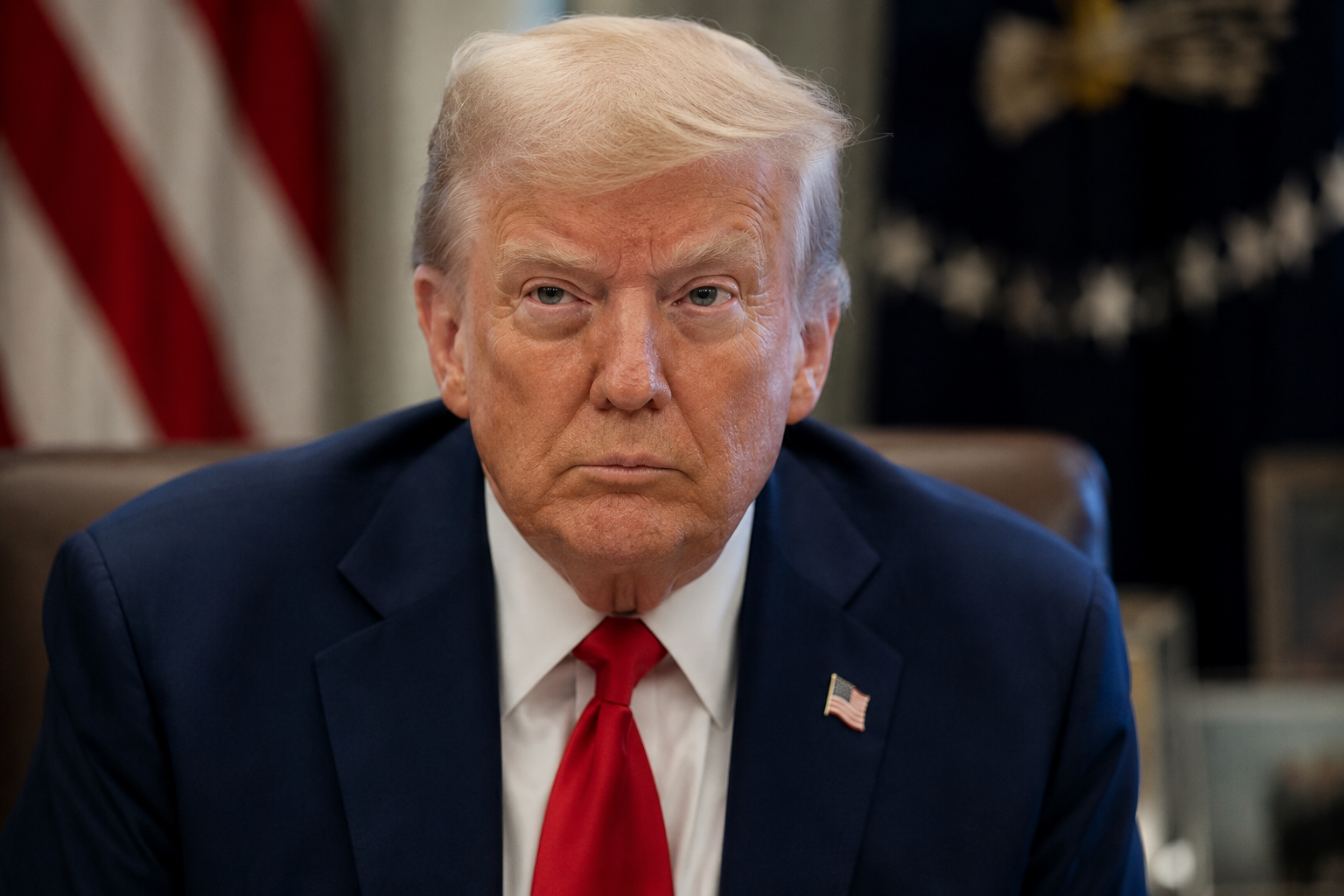
That is what happened after U.S. President Donald Trump abruptly abandoned a plan to impose a 20% security fee on all commercial vessels passing through the Strait of Hormuz, one of the most critical maritime corridors in the global economy.
Only a day earlier, the proposal had triggered deep concern among shipping companies, cargo owners, insurers, and the energy industry.
Now, the White House has sharply reversed course.
One of the Costliest Maritime Fees Could Have Reshaped Global Logistics
The proposed charge would have affected nearly every commercial vessel transiting the Strait of Hormuz.
A significant share of the world’s oil, liquefied natural gas, and other strategically important commodities moves through this narrow maritime passage.
For carriers, the proposal represented far more than another administrative fee.
Industry participants warned that the measure could have added hundreds of millions of dollars to commercial shipping costs, increased insurance premiums, pushed freight rates higher, and ultimately raised prices for fuel, raw materials, and a broad range of imported goods around the world.
In practical terms, it would have amounted to a new global logistics tax.
Not Just an Economic Question, but a Legal One
Almost immediately after the proposal was announced, concerns emerged not only from the shipping industry but also from maritime law experts.
The Strait of Hormuz is an international waterway where the principle of transit passage applies.
That raised serious questions about whether the United States could legally impose a unilateral security charge on vessels using the route.
The controversy quickly moved beyond economics and became a debate over international law and freedom of navigation.
The White House Changes Strategy
By the following day, Trump announced that his administration was abandoning the proposed fee.
According to the president, following discussions with leaders of Persian Gulf nations, Washington decided to pursue new trade and investment agreements with regional governments rather than impose additional costs on commercial shipping.
The White House argues that this approach could attract large-scale investment into the U.S. economy while preserving strategic relationships with Middle Eastern partners.
Details of the proposed agreements have not yet been disclosed.
Pressure on Iran Remains
Despite dropping the maritime fee, the Trump administration’s policy toward Iran remains unchanged.
The president confirmed that international shipping would continue to use the Strait of Hormuz without the additional 20% charge.
However, vessels calling at Iranian ports, departing from them, or carrying Iranian cargo would remain subject to U.S. restrictions connected to ongoing maritime pressure on Tehran.
For shipping companies, that means regional risks remain, even though the broader financial threat to global trade has been removed.
What This Means for Global Logistics
For market participants, the withdrawal of the proposed fee provided an important measure of relief.
Had the initiative been implemented, the global logistics industry could have faced another sharp increase in operating costs just as some regional shipping conditions were beginning to stabilize.
Even the brief discussion of the measure forced carriers, insurers, traders, and cargo owners to reassess financial models, evaluate alternative routes, and price additional geopolitical risk into transportation contracts.
The reaction demonstrates how sensitive global trade remains to political decisions affecting only a few dozen miles of strategically important sea passage.
The Bigger Picture
The abandoned fee is a reminder that the greatest threats to modern logistics do not come only from war, piracy, or natural disasters.
Sometimes, a single political announcement is enough to change the cost of global transportation, move energy prices, and force thousands of companies to reconsider their supply chains.
This time, global trade avoided a potentially multibillion-dollar burden.
But the episode also exposed how fragile the international logistics system remains when the future of one of the world’s most important maritime routes can be reshaped by decisions made in the offices of political leaders.