

Brasília Seeks Consultations With Washington
The Brazilian government opened a process on August 13 that could result in reciprocal trade measures against the United States. The decision came in response to new US tariffs imposed on Brazilian products, Reuters reported.
The first stage involves an assessment of the economic impact and additional diplomatic consultations with US trade authorities. As of August 16, Brazil had not introduced retaliatory tariffs or published a list of American products that could face restrictions.
Brazilian authorities have described Washington’s measures as unjustified and said the country will continue defending its position through negotiations and relevant international forums.
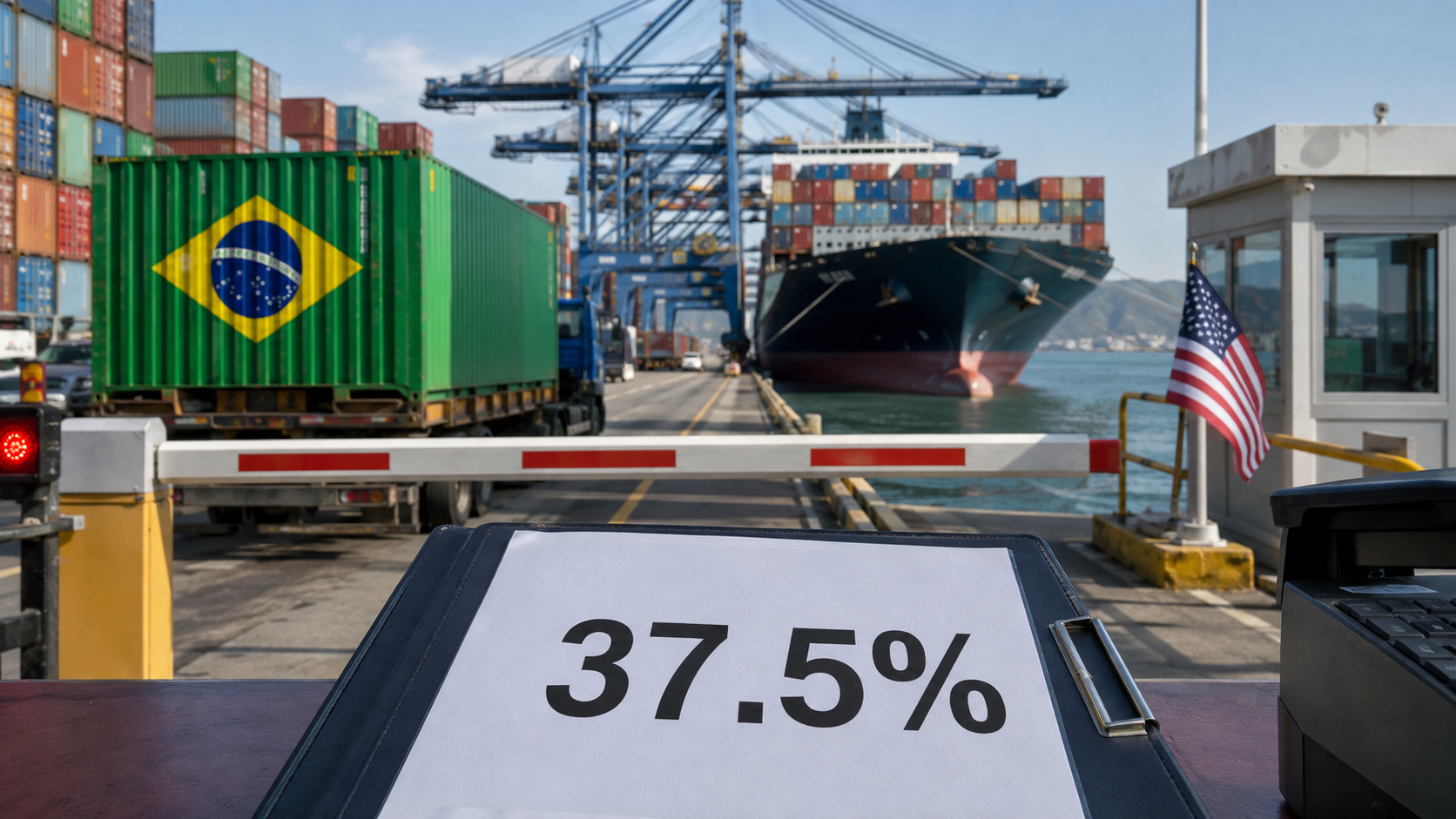
Some Goods Face a Combined 37.5% Surcharge
In July, the United States introduced an additional 25% tariff on selected Brazilian goods, including sugar, ethanol, machinery, footwear and furniture. A separate duty of up to 12.5% was also applied to imports from several countries, including Brazil, over US concerns about enforcement against forced labour in supply chains.
According to Brazil’s Ministry of Development, Industry, Trade and Services, the new measures affect approximately 23.1% of Brazilian exports to the United States. Around 16.5% of shipments are covered by both surcharges and therefore face a combined additional rate of 37.5%. These goods include machinery, certain wood products, footwear, furniture, clothing, fats and oils.
Approximately 52.7% of Brazilian exports remain outside the new additional tariffs. This category includes coffee, meat, aircraft, orange juice, fruit, selected chemicals and most pulp shipments.
Reciprocity Law Allows Measures Beyond Tariffs
Brazil is reviewing its options under Economic Reciprocity Law No. 15,122, adopted on April 11, 2025. The legislation allows the government to restrict imports of goods and services and temporarily suspend certain obligations involving trade, investment and intellectual property.
Such measures are not automatic. Under the official text of the law, any response must be proportionate to the economic damage, limit harm to Brazil’s domestic economy and avoid excessive administrative costs.
This requirement is particularly important for industries that depend on US machinery, technology and components. Directly matching American tariffs could raise production costs inside Brazil, which is why the government intends to evaluate the available options before making a final decision.
The Dispute Affects $94.3 Billion in Goods Trade
According to the Office of the United States Trade Representative, bilateral goods trade reached $94.3 billion in 2025. US exports to Brazil totalled $54.4 billion, while imports from Brazil amounted to $39.9 billion, leaving the United States with a $14.4 billion goods trade surplus.
The restrictions could alter substantial cargo flows between the two markets. Brazilian exporters of furniture, footwear and machinery may reduce container shipments to the United States or redirect products to alternative destinations. Tariffs affecting sugar and ethanol could influence bulk and liquid-bulk logistics, port terminals and inland transport serving export facilities.
Importers, freight forwarders and customs brokers will need to verify tariff classifications, origin requirements and available exemptions more carefully. Businesses may also have to recalculate landed costs, revise contracts and determine how additional duties will be divided between suppliers and buyers.
Negotiations Remain the Preferred Scenario
Opening the reciprocity process gives Brazil additional leverage in negotiations, but it does not make a trade confrontation inevitable. The scope, timing and product coverage of any Brazilian measures will only be determined after the legal and economic review.
If negotiations fail, reciprocal restrictions could reduce direct shipments, redirect cargo towards alternative markets and make logistics planning more complex. An agreement, however, could limit the impact on carriers, manufacturers, importers and consumers in both countries.
