

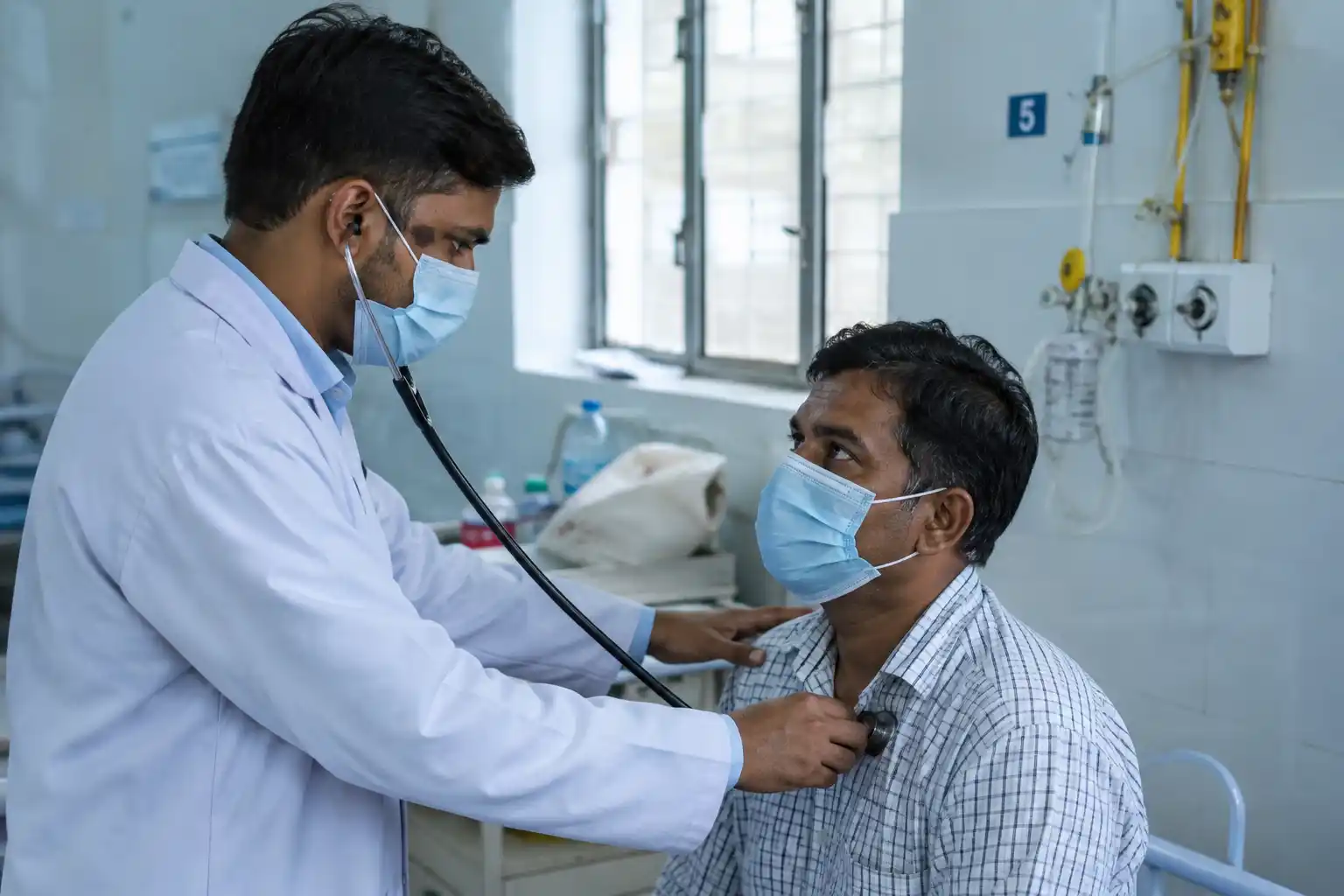
The number of H1N1 flu cases in India is rising every day. Doctors are urging people not to try to treat the infection with antibiotics on their own. More than 1,770 confirmed cases have already been reported in Delhi
Amid a rise in H1N1 influenza cases across India, doctors have urged people not to self-medicate or take antibiotics without a prescription. The Indian Medical Association warned that uncontrolled use of such drugs could create an additional challenge for the healthcare system.
According to Xinhua, more than 1,770 laboratory-confirmed H1N1 cases have already been reported in Delhi. The infection is also spreading actively in the states of Maharashtra, Karnataka and West Bengal.
Doctors have paid particular attention to antibiotics, including the widely used azithromycin and cefixime. These drugs act against bacteria but do not kill influenza viruses. Unnecessary use increases the risk of antimicrobial resistance, potentially making antibiotics less effective in treating bacterial infections in the future.
At the same time, specialists have found no evidence of a new genetic mutation in the virus currently circulating in India. The IMA stressed that most H1N1 cases are mild and resolve on their own.
Doctors are urging people to remain cautious without giving in to panic. The main recommendation is to avoid taking antibiotics without medical advice and to seek professional care when necessary.
H1N1 is a viral infection, meaning antibiotics are not recommended as a treatment for the virus itself.
Read also: Japan seeks to reclaim LNG carrier market as shipbuilding revival takes shape