

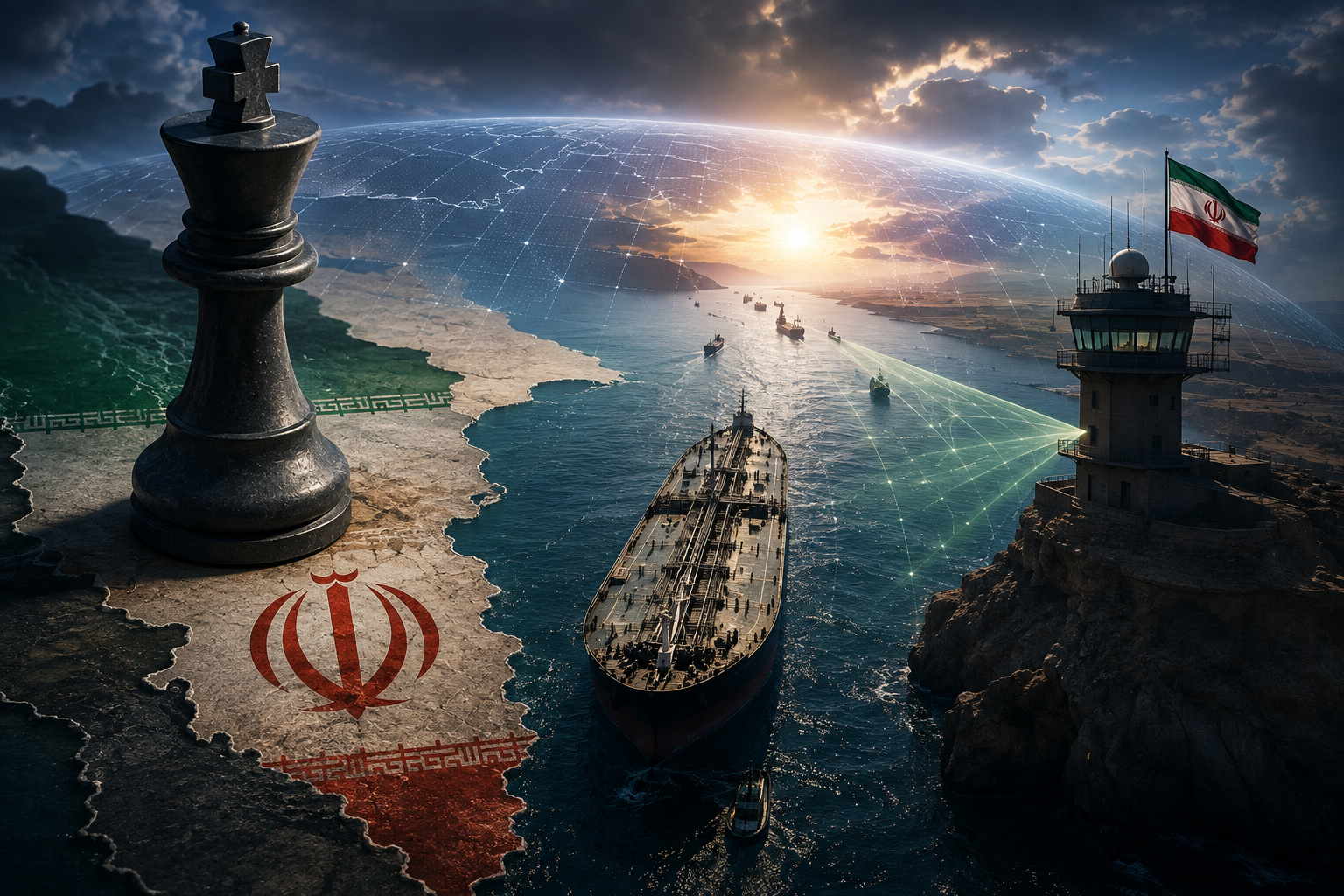
Negotiations over the Strait of Hormuz have entered a new phase, with Iran potentially gaining control over vessels entering the Persian Gulf through one of the world’s most critical oil shipping routes — a move that could reshape the balance of power in the Middle East.
Iran and Oman are discussing an agreement that would grant Tehran authority over ships entering the Persian Gulf via the Strait of Hormuz. If signed, the deal would represent one of the most significant diplomatic concessions to Iran in recent years.
According to available information, the parties have reached a preliminary understanding on several key elements of the proposed agreement, but negotiations are still ongoing. One of the main unresolved issues remains the extent of Iran’s authority over maritime traffic and the possible introduction of transit fees for vessels passing through the strait.
The Strait of Hormuz is one of the world’s most important energy corridors, handling a significant share of global oil exports. Analysts warn that any change to its operating regime could have far-reaching implications for global energy markets and the geopolitical balance in the Middle East. U.S. officials have repeatedly stated that Washington would not support any agreement granting Iran control over access to this strategic maritime route.
Read also: Nike Changes Its Sales Strategy in China, Phasing Out Third-Party Online Distributors