

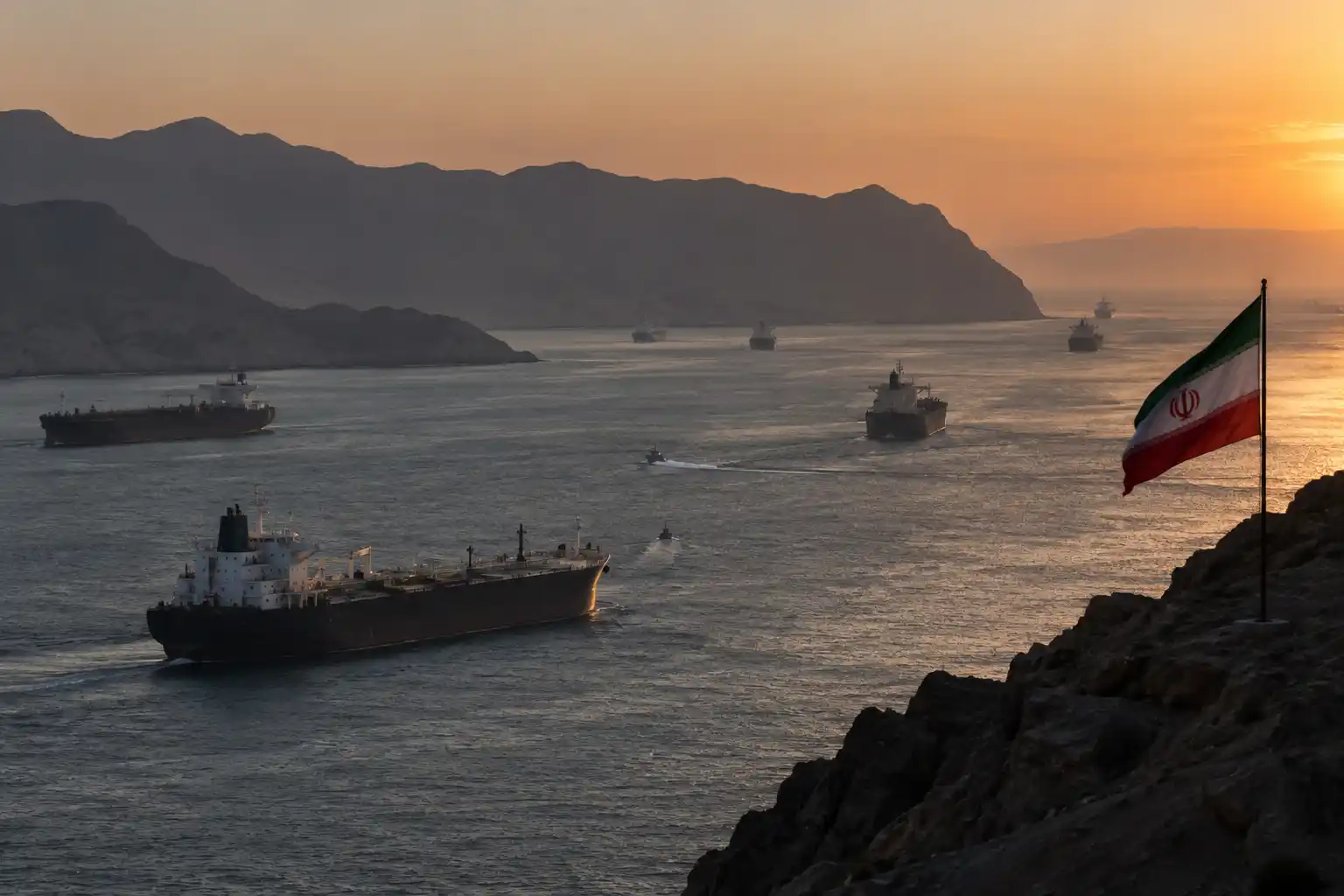
The Strait of Hormuz has long been one of Iran’s main levers of pressure on the global economy. But the situation is now changing: while Tehran seeks to maintain control over the key shipping route, the United States is stepping up sanctions pressure.
The Strait of Hormuz, which has long been one of Iran’s main tools for exerting pressure on the global economy, is gradually becoming less effective for Tehran. The United States is intensifying its economic campaign, restricting Iran’s oil exports, access to foreign currency and the international financial system.
Washington’s calculation is fairly simple: Iran is suffering greater damage from the pressure than it is capable of inflicting on its opponents. Tehran’s attempts to disrupt shipping through the strait failed to trigger the expected global economic shock — markets quickly adapted, while alternative supplies continue to arrive steadily.
At the same time, sanctions are exacerbating Iran’s domestic problems: prices are rising, trade is declining and pressure on household incomes is increasing. Iranian authorities fear renewed protests, but a rapid capitulation by Tehran should not be expected.
Iran still retains some leverage over the Strait of Hormuz and has not abandoned its demands for sanctions relief and the unfreezing of its assets. The standoff could therefore turn into a prolonged bargaining process, with the key question no longer being whether Iran can inflict damage, but how much economic pressure it can withstand before agreeing to a compromise.
Read also: Xi Jinping Confirms Support for Mongolia in Securing Fuel Supplies