

MUNICH — Just a few years ago, it would have been difficult to imagine BMW publicly questioning the corporate model that had long been regarded as a benchmark of German engineering excellence and industrial efficiency. Today, that is exactly what is happening.
A sharp deterioration in financial performance, collapsing sales in China, and a rapidly changing global economy are forcing one of Europe’s largest automakers to rethink business practices that, until recently, were considered untouchable within the company.
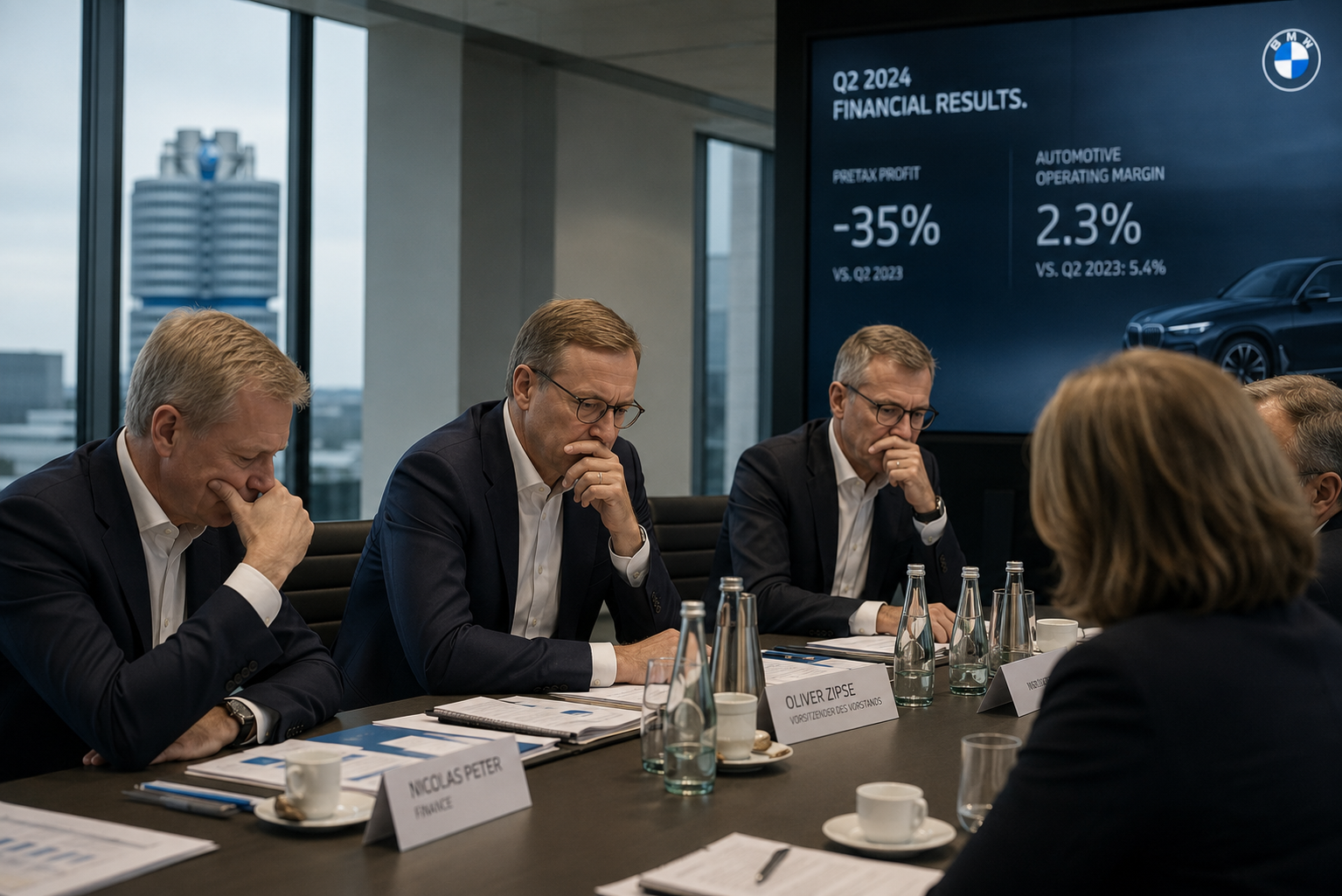
During the second quarter, BMW reported a 35% decline in pretax profit to €1.7 billion, while the operating margin of its core automotive business dropped by more than half, falling from 5.4% to 2.3%. Although the result slightly exceeded analysts’ expectations, the scale of the decline highlights the structural challenges facing the entire European automotive industry.
BMW’s new Chief Executive Officer, Milan Nedeljkovic, described the results as “not satisfactory” and made it clear that the company is preparing for one of the most significant internal transformations in its recent history.
“We are taking a critical look at how we work, including reviewing core processes and organizational structures that were previously considered untouchable,” the BMW chief executive said.
China Is No Longer the Engine of Growth
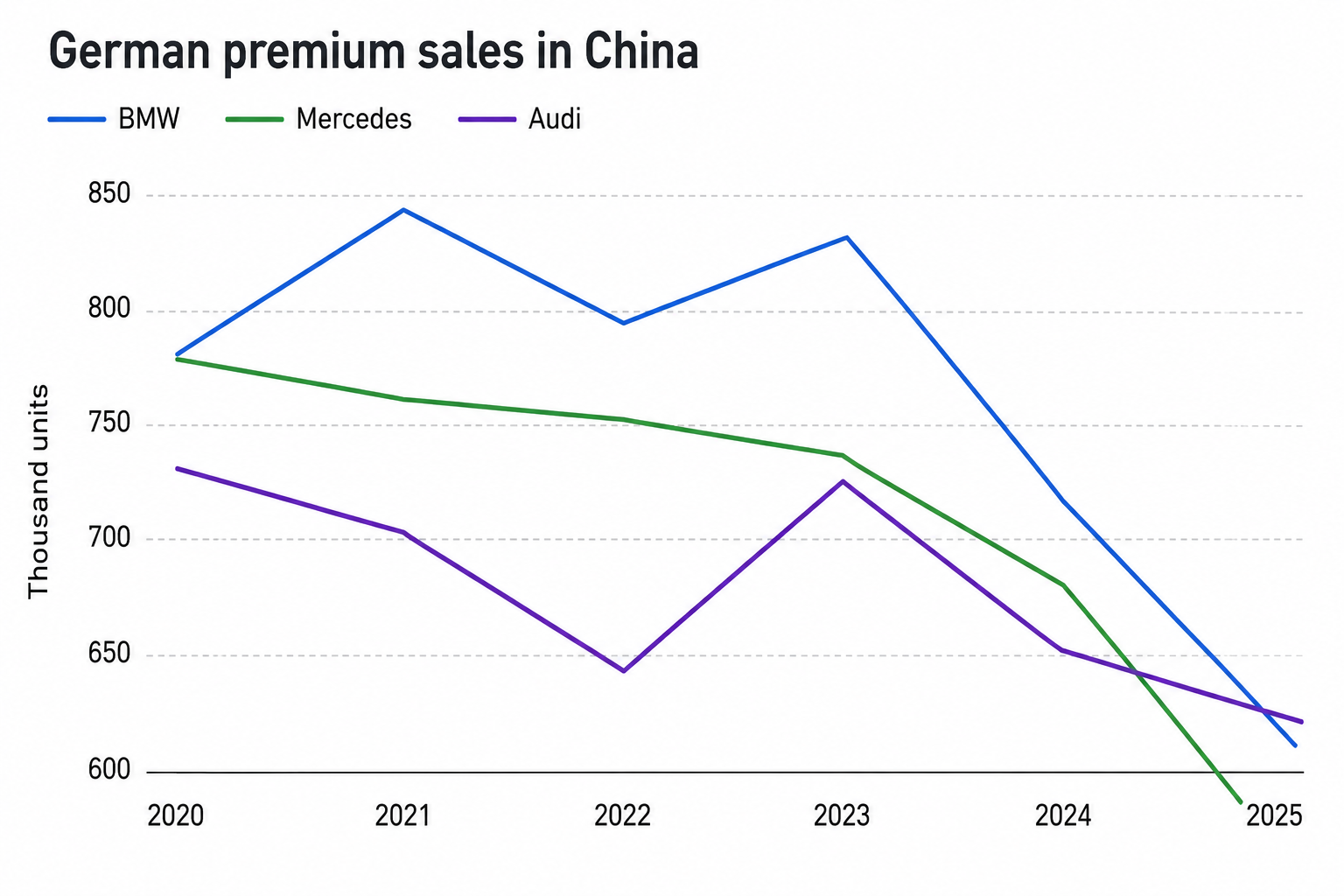
The biggest factor behind BMW’s weaker performance was a dramatic decline in demand across China—the world’s largest automotive market.
During the second quarter, BMW’s sales in China plunged nearly 30%, marking one of the steepest declines among Europe’s premium automotive brands.
Over the past several years, the Chinese market has undergone a profound transformation. German manufacturers once dominated the premium segment with little serious competition. Today, domestic brands such as BYD, NIO, Xiaomi Auto, and Li Auto offer technologically advanced electric vehicles featuring cutting-edge software, intelligent connectivity, and increasingly competitive pricing.
The pace of innovation has become so rapid that even BMW’s newest electric models risk arriving after consumer preferences have already shifted.
The Energy Crisis Is Reshaping Manufacturing Economics
Yet competitive pressure is only part of BMW’s challenge.
One of the most significant structural issues facing Europe’s automotive industry remains persistently high energy costs, which directly increase the cost of manufacturing every vehicle.
Modern automobile plants are among the most energy-intensive industrial facilities in the world. Steel and aluminum production, casting operations, battery manufacturing, robotic assembly lines, paint shops, climate-controlled production environments, and testing facilities consume enormous amounts of electricity and natural gas every day.
Even after the peak of Europe’s energy crisis, industrial electricity prices remain significantly higher than those in China and many parts of the United States. As a result, every vehicle produced in Europe carries higher manufacturing costs before it even reaches a dealership.
Additional pressure comes from rising logistics expenses, more expensive raw materials, stricter environmental regulations, and the enormous capital investments required to accelerate the transition toward electric vehicles.
Together, these factors make it increasingly difficult for European automakers to maintain competitive pricing while simultaneously funding electrification and protecting profitability.
BMW Launches a Major Restructuring
The company has already confirmed a voluntary workforce reduction program. According to sources familiar with the plan, approximately 8,000 positions could ultimately be eliminated, although BMW has not officially confirmed the figure.
At the same time, the automaker intends to conduct a comprehensive review of virtually every major area of its business, including:
- Sales operations;
- Procurement;
- Manufacturing;
- Vehicle development;
- Product portfolio management.
BMW also plans to streamline its product lineup by reducing the number of model variants offered in different markets.
The reason is straightforward: electric vehicle adoption is no longer progressing at the same pace around the world.
While EVs now dominate major segments of China’s automotive market, American consumers continue to show strong demand for vehicles powered by internal combustion engines. A one-size-fits-all strategy is becoming increasingly difficult to sustain, forcing global automakers to tailor their product portfolios to regional market conditions.
A Transformation Across Germany’s Auto Industry
BMW’s challenges are far from unique.
At nearly the same time, Volkswagen, Porsche, and several other German manufacturers announced their own cost-cutting initiatives and restructuring programs.
The industry is now confronting multiple pressures simultaneously:
- Slowing global economic growth;
- Weakening demand in China;
- Intensifying competition from Chinese automakers;
- Higher energy costs;
- Geopolitical uncertainty;
- The accelerating transition toward electric mobility.
Together, these forces are reshaping the business model that made Germany’s automotive industry the global benchmark for decades.
Why It Matters
BMW’s latest earnings report tells a story that extends far beyond one company.
Automakers are no longer competing solely on engineering excellence or manufacturing quality. Increasingly, success depends on access to affordable energy, resilient supply chains, advanced software capabilities, digital technologies, and the ability to adapt rapidly to changing market conditions.
For European manufacturers, this means cutting costs, modernizing production, investing heavily in next-generation vehicles, and competing against increasingly sophisticated Chinese rivals—all at the same time.
BMW’s decision to reexamine business practices that were once considered “untouchable” is therefore more than an internal restructuring effort. It reflects a fundamental shift in the global automotive industry, signaling that the era when German manufacturers could rely on their traditional competitive advantages is rapidly coming to an end.