

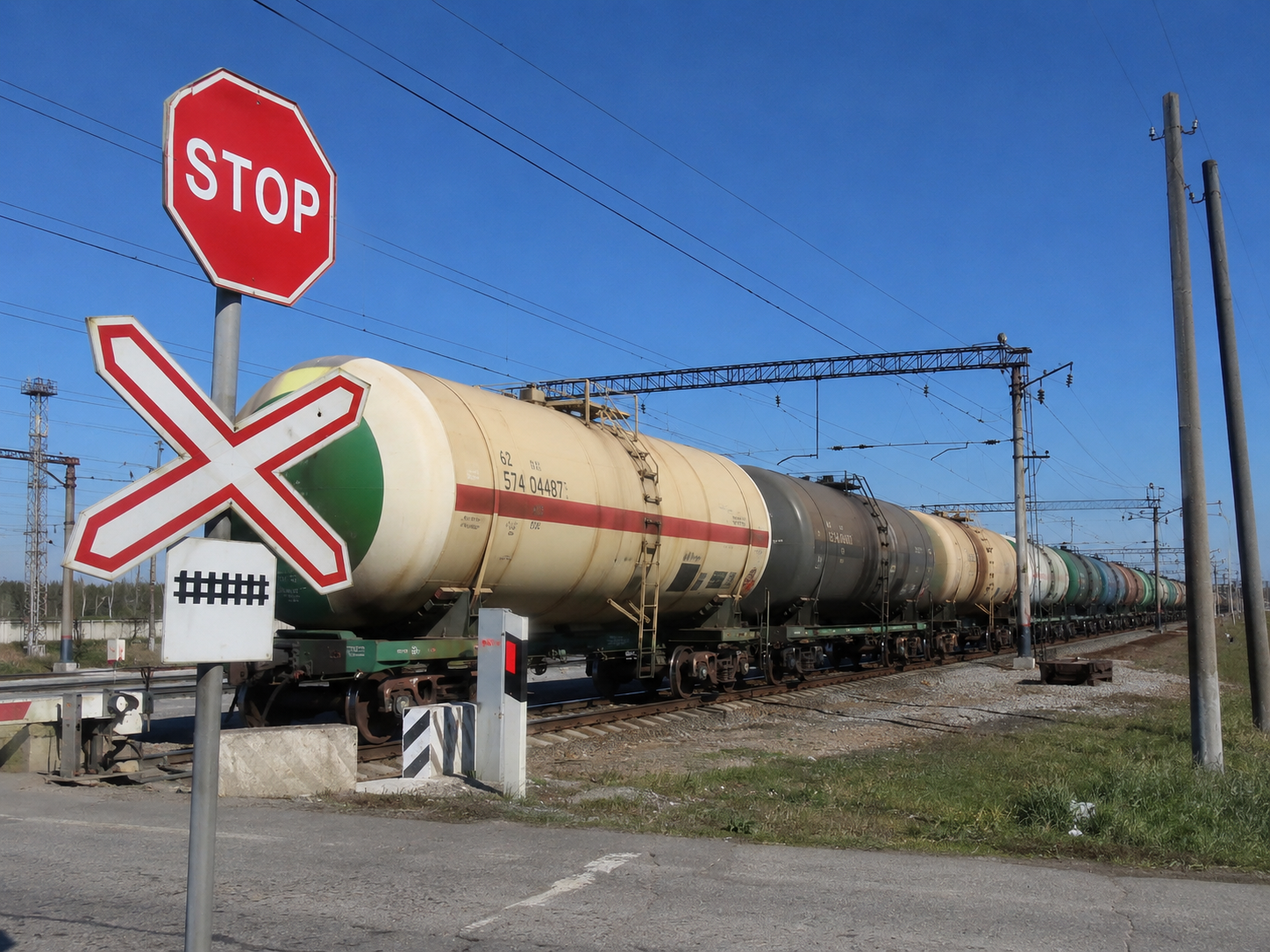
Russia has tightened restrictions on gasoline exports, creating a broader temporary ban that will remain in force until July 31, 2026. The government has approved a resolution prohibiting direct producers of petroleum products from exporting gasoline from Russia, extending earlier restrictions that had primarily affected non-producers and resellers.
The decision means that the export of commercial gasoline from Russia is now restricted more broadly, although the ban does not apply to deliveries carried out under intergovernmental agreements. This exception is important for countries that rely on Russian fuel supplies through state-level arrangements.
For the logistics and energy markets, the measure is significant because fuel availability directly affects road freight, agriculture, construction, retail distribution and regional supply chains. Russia is one of the world’s largest producers of oil and petroleum products, so any change in export rules can influence both domestic fuel flows and neighboring markets.
The government explains the decision by the need to maintain stability on the domestic fuel market during a period of high seasonal demand. Spring and summer agricultural work increases fuel consumption, while global oil prices remain sensitive to geopolitical developments in the Middle East.
As K2Cargo News previously reported in Oil Market Shock May Last Until 2027, instability in the oil market can create long-lasting pressure on transport costs, fuel planning and supply chain resilience.
Why Russia Expanded the Gasoline Export Ban
The main reason behind the new restrictions is the need to protect domestic supply.
During agricultural campaigns, demand for gasoline and diesel usually rises as farms, transport companies and regional distributors increase activity. If export flows remain attractive because of high external prices, domestic supply can come under pressure.
By extending the ban to direct producers, the government is trying to reduce the risk that fuel will leave the domestic market at a time when internal demand is elevated.
The measure also comes against the background of global oil price volatility. Tensions in the Middle East have supported higher prices and increased uncertainty for energy markets. For fuel-exporting countries, this creates a commercial incentive to sell abroad. For governments, it creates a risk that domestic prices may become harder to control.
Russia’s export restriction is therefore not only a trade measure. It is also a domestic price-stabilization instrument.
What the Ban Means for Producers
The most important change is that direct producers of petroleum products are now covered by the restrictions.
Earlier measures already limited the export of fuel by non-producers. However, oil companies and direct producers had more room to export certain volumes. The new resolution closes that gap for gasoline until the end of July.
This changes the balance between domestic and export sales. Producers will need to redirect more gasoline to the Russian market, wholesale channels, regional fuel networks and agricultural demand.
For companies, the measure may reduce export revenue opportunities during a period of favorable international prices. At the same time, it supports the government’s goal of keeping more fuel inside the country.
The exception for intergovernmental agreements means that some foreign deliveries may continue. These are typically politically and economically important supply channels, where fuel deliveries are part of broader bilateral arrangements.
Impact on Domestic Fuel Logistics
The export ban may increase the importance of domestic fuel logistics.
If producers sell more gasoline inside Russia, the market will need reliable distribution from refineries to storage terminals, fuel depots, rail tank farms and retail networks. This can increase the role of railway transportation, road tankers, regional storage capacity and dispatch planning.
Fuel logistics is especially important in a large country where demand is unevenly distributed across regions. Agricultural areas, industrial zones, large cities and remote territories may experience different levels of demand and supply pressure.
For transport companies, the main question will be whether the ban helps stabilize fuel availability and prices. If domestic supply improves, freight operators may benefit from more predictable costs. If regional distribution remains uneven, local shortages or price spikes could still affect road transport operations.
Agriculture Is One of the Key Factors
The government specifically links the decision to the period of agricultural field work.
Agriculture depends heavily on fuel availability. Tractors, harvesters, service vehicles and logistics fleets require stable supplies during sowing, harvesting and regional distribution. If fuel becomes expensive or difficult to access, agricultural costs increase and supply chains may face delays.
This is why fuel restrictions are often introduced during periods of seasonal demand. The goal is to ensure that domestic users, especially agriculture and essential transport, receive priority access to fuel.
For logistics companies serving the agricultural sector, the measure could reduce the risk of fuel shortages during peak operations. However, its effectiveness will depend on how quickly additional domestic volumes reach regions where demand is highest.
Possible Effects on Neighboring Markets
Russia’s gasoline export restrictions may also affect countries that normally buy Russian fuel.
The impact will depend on the structure of supply agreements. Countries receiving fuel under intergovernmental arrangements may continue to receive shipments. Other buyers may need to look for alternative sources or increase purchases from other suppliers.
This can influence regional fuel prices, transport costs and import logistics. If neighboring markets must replace Russian gasoline with fuel from other directions, delivery routes may become longer or more expensive.
For logistics operators, this could increase demand for alternative fuel transport routes, including rail, road and port-based distribution.
At the same time, the measure is temporary. Since the restrictions are scheduled to remain in force until July 31, market participants may treat the ban as a short-term adjustment rather than a permanent change in trade flows.
What This Means for Freight Transport
Fuel is one of the most important cost items in road freight.
Even when a regulation is aimed at the energy market, its effects quickly reach logistics companies. Carriers depend on predictable fuel prices to calculate tariffs, plan routes and maintain margins.
If the export ban succeeds in stabilizing domestic supply, Russian freight operators may gain more predictable operating conditions during the summer. This is particularly important for companies working in agriculture, food distribution, retail supply chains and regional deliveries.
However, if fuel demand remains high, logistics companies will still need to monitor prices carefully. Temporary export restrictions do not automatically solve all regional supply problems. Storage capacity, refinery output, maintenance schedules, rail availability and local distribution can all influence the final market situation.
For international carriers, the key issue is whether the ban affects refueling strategies near Russian borders and in neighboring countries. If regional fuel flows change, cross-border transport costs may also shift.
Why the Measure Matters for Supply Chains
Russia’s gasoline export ban shows how closely energy policy and supply chain stability are connected.
Fuel is not just another commodity. It supports road transport, agriculture, construction, retail logistics, emergency services and industrial operations. When governments restrict exports, they are usually trying to protect domestic supply chains from external market pressure.
For businesses, the lesson is clear: fuel planning must be part of supply chain risk management. Companies that depend on road transport need to monitor energy regulation, not only freight rates and vehicle availability.
The current measure also shows that geopolitical risks can influence logistics indirectly. Developments in the Middle East affect global oil prices, which then influence national fuel policies, export rules and transport costs far beyond the region itself.
A Temporary Ban With Wider Implications
The Russian government’s decision will remain in force until July 31, 2026, unless further changes are introduced.
For now, the ban is designed as a temporary measure to support the domestic fuel market during a period of high demand. But even temporary restrictions can influence business behavior. Producers adjust sales channels, traders review contracts, logistics companies revise fuel cost assumptions and importers in neighboring countries look for alternative supply options.
The broader impact will depend on market conditions in July. If domestic supply stabilizes and prices remain manageable, the measure may be lifted as planned. If pressure continues, the government could consider further steps.
For the transport and logistics sector, the main priority is predictability. Fuel restrictions, price volatility and regional supply imbalances all affect freight costs. That is why Russia’s gasoline export ban is not only an energy-market story, but also an important development for logistics, agriculture and supply chains across the region.
Read also: Fuel Crisis Drives Up Road Freight Costs in Russia
