

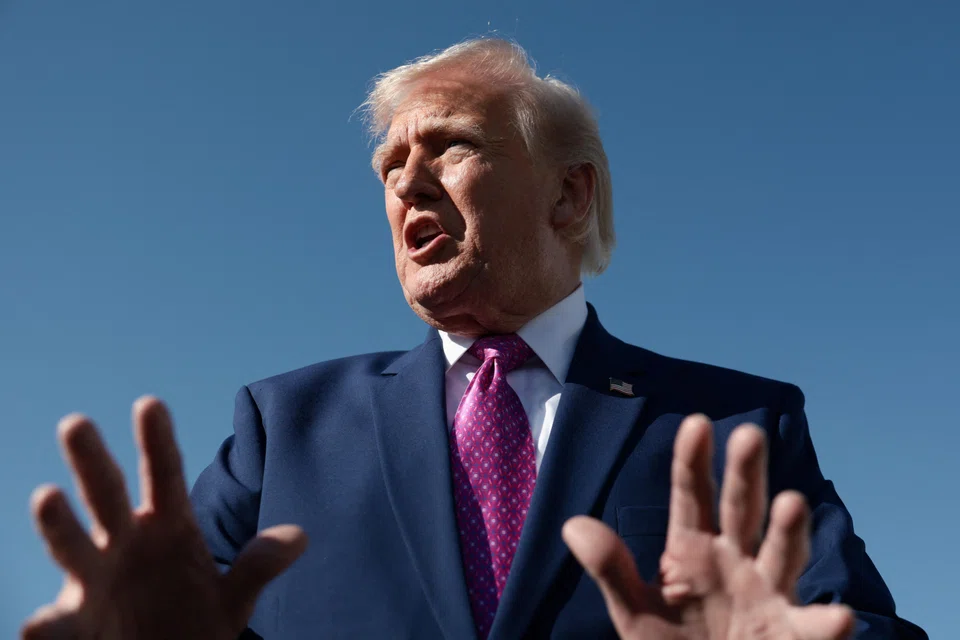
The US president linked the proposal to Washington’s claimed control of the strategic waterway but later indicated that no formal decision had been made
US President Donald Trump has suggested naming the Strait of Hormuz after himself. He introduced the proposed designation, “Trump Strait,” in a Truth Social post published on September 2, 2026.
Trump justified the idea by claiming that the strategic maritime route was now under the control of the United States.
“Now that we have it under U.S.A. control, should we change the name Hormuz Strait to Trump Strait?”
Donald Trump, President of the United States
Trump added that the renamed waterway would be “hotter than ever.” The White House subsequently posted a map of the Gulf displaying the proposed name and commented that it had “a nice ring to it.”
Trump Later Played Down the Proposal
Despite the widespread attention generated by the statement, no formal order to rename the strait has been published. Several hours later, Trump appeared to downplay the seriousness of the idea.
Asked by an AFP reporter in the Oval Office whether he genuinely intended to pursue the change, the president said with a laugh that the suggestion had been “just thrown out there.” Trump Strait therefore remains a political and media proposal rather than the official name of the waterway, AFP reports.
The proposal emerged as military hostilities between the United States and Iran intensified again. US forces carried out additional attacks on sites Washington associated with Iranian air defences, maritime assets and minelaying capabilities.
Iran subsequently reported retaliatory strikes against American facilities in several regional countries. The escalation once again reduced commercial vessel traffic through Hormuz.
The United States Does Not Have Sovereignty Over the Strait
Trump’s claim of US control should be understood as a statement about military and operational influence rather than evidence of American sovereignty.
The Strait of Hormuz lies between Iran and Oman. Its waters and established shipping lanes are subject to the jurisdiction of the coastal states and the international transit-passage regime. The United States does not own the strait and cannot unilaterally change its internationally recognised name.
Washington maintains substantial naval forces in the region and can influence traffic through escort operations, surveillance and maritime-security activities. A military presence does not, however, transfer legal ownership of the territory to the United States.
International adoption of a new name would require recognition by states, hydrographic authorities, mapping organisations and maritime-industry participants. Navigational charts, notices to mariners, shipping contracts and insurance documents continue to use the name Strait of Hormuz.
Vessel Traffic Remains Severely Restricted
Trump’s suggestion came while navigation through the strait remained highly unstable. Kpler data cited by TIME indicated that only six vessels crossed the route on Tuesday. Approximately 138 ships typically passed through it every day before the conflict.
The figures may exclude vessels temporarily operating without active AIS transmissions, but they still indicate a significant reduction in commercial activity. Shipowners and charterers continue to assess the risks of mines, missile and drone attacks, vessel detention and sudden changes to transit requirements.
Before the conflict, approximately one-fifth of global oil supplies passed through the Strait of Hormuz. The waterway is also critical for liquefied natural gas, petroleum products, chemicals, fertilisers and other cargoes exported from Gulf ports.
A New Name Would Not Change Shipping Conditions
For shipping companies, the decisive issue is not the waterway’s name but whether vessels can pass through it safely and predictably. Carriers require transparent transit procedures, available war-risk insurance, credible mine-clearance measures and protection for crews.
Even if US agencies begin using the term Trump Strait in domestic documents, that would not automatically change the navigational regime. International operators will continue relying on official nautical charts, UKMTO warnings, coastal-state notices and insurers’ recommendations.
The return of large tankers and gas carriers will depend on actual security conditions rather than political statements. A sustained recovery in traffic will require de-escalation and a coordinated mechanism for safe transit.
As K2Cargo.News previously reported, visible commodity-vessel traffic through the Strait of Hormuz had already fallen to seven daily transits while Iran and Oman discussed a possible new shipping corridor.
Read also: Hormuz Traffic Falls to 7 Vessels as Iran and Oman Negotiate Shipping Corridor