

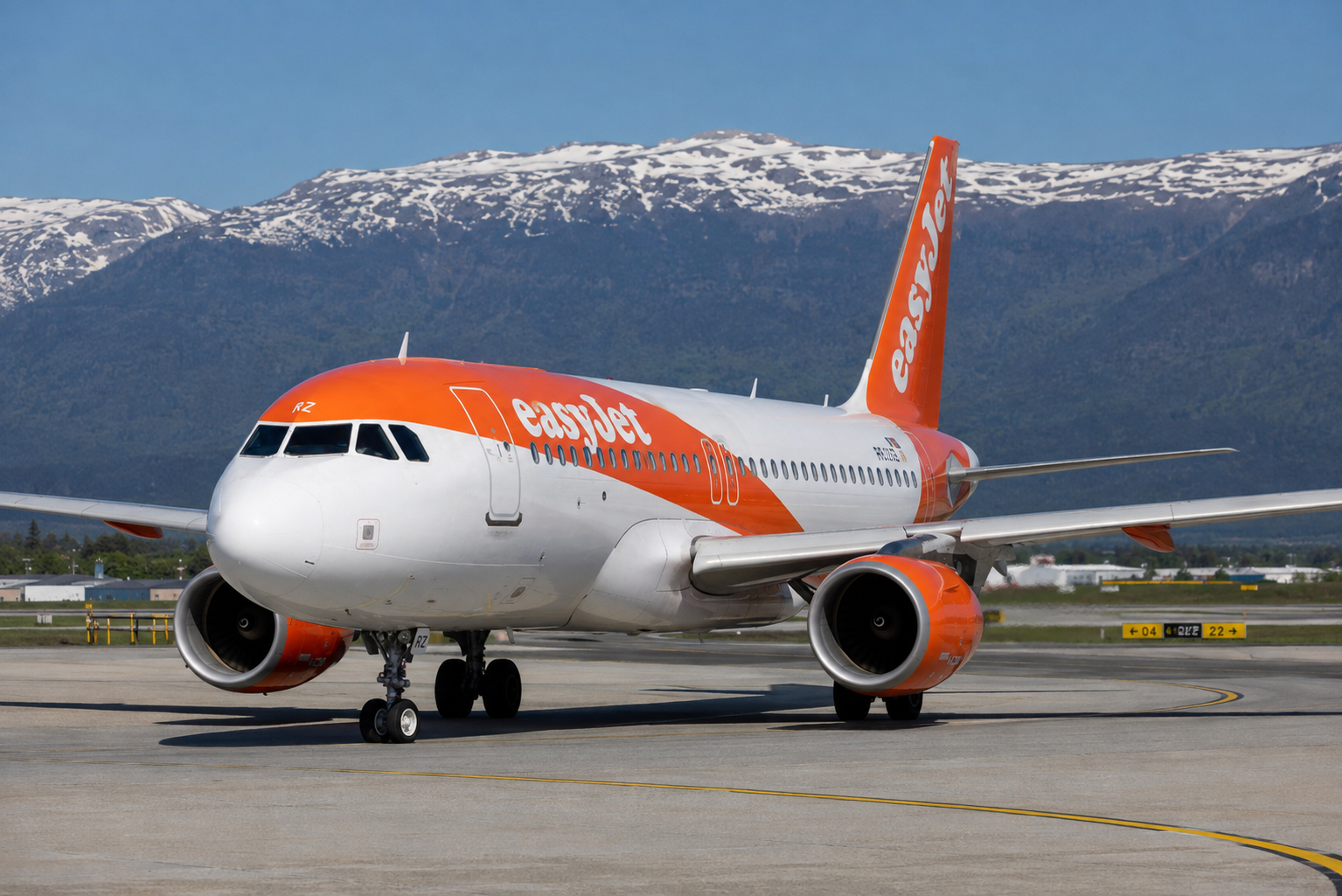
Apollo Wins the Battle for easyJet
British airline easyJet has agreed the terms of an acquisition by Eagle Bidco, a vehicle indirectly owned by investment funds managed by Apollo Global Management.
Under the recommended cash offer, shareholders will receive £7.15 for each easyJet share, valuing the airline’s entire issued and to-be-issued ordinary share capital at approximately £5.7 billion.
The easyJet board unanimously recommended Apollo’s cash offer. The price represents an 81% premium to the £3.94 closing share price on May 28, 2026, the final trading day before the takeover offer period began. It is also 22% above easyJet’s highest closing price during the previous four years, which was £5.88.
The agreement follows a prolonged contest between two U.S. investment firms. Before Apollo submitted the higher proposal, easyJet had been considering an offer from Castlelake that eventually reached £6.90 per share. Castlelake announced on August 6 that it would not make a final bid, effectively leaving Apollo as the remaining buyer.
The Acquisition Has Not Yet Closed
Despite the agreement between the boards, easyJet has not yet been transferred to Apollo.
The acquisition is intended to be implemented through a court-approved scheme of arrangement under Part 26 of the UK Companies Act 2006. It remains subject to shareholder votes, court approval, regulatory clearances and other conditions.
The parties currently expect the transaction to complete by the end of the first calendar quarter of 2027. A more detailed timetable will be included in the documents sent to shareholders.
Once the transaction becomes effective, easyJet intends to cancel the admission of its shares to trading on the London Stock Exchange. One of Europe’s largest low-cost airlines would therefore move from public ownership to a privately held structure.
Founder’s Family Will Remain Invested
easyJet founder Stelios Haji-Ioannou and related family shareholders have backed the transaction but do not intend to fully exit the airline.
The Haji-Ioannou family concert party, which controls approximately 15.31% of easyJet, has given an irrevocable undertaking to support the scheme and elect for the alternative offer, exchanging its existing holding for shares in the new ownership structure rather than receiving cash for the entire stake. The commitment covers approximately 116.06 million easyJet shares.
This structure allows the founder’s family to retain an economic interest in the airline after it leaves the stock market.
Other eligible shareholders can also choose unlisted rollover shares in an indirect parent of the acquisition vehicle instead of accepting cash, although the total size of this alternative is capped under the transaction structure.
Apollo’s Stake Will Be Capped at 49.9%
One of the most unusual elements of the transaction reflects European airline ownership and control requirements.
Following completion, three main shareholder groups are expected to hold the new parent company. Rollover shareholders, including the Haji-Ioannou family, are expected to hold between 45.1% and 49.9%. An EU Trust can hold up to 5%, while Apollo Funds will own the balance, subject to a maximum stake of 49.9%.
The ownership structure is designed to comply with applicable airline ownership and control requirements. This is particularly important for easyJet because the group operates through air operator certificates in the United Kingdom, Austria and Switzerland and needs to preserve its rights within the European aviation market.
The £5.7 billion transaction should therefore not be viewed as a conventional acquisition in which a U.S. investment group simply takes direct ownership of 100% of a European airline.
No Immediate Change Has Been Announced for Passengers
Apollo has said it does not intend to relocate easyJet’s UK headquarters or change the locations of the group’s air operator certificates in the United Kingdom, Austria and Switzerland.
The airline is also expected to continue operating as a standalone business within Apollo’s broader investment portfolio.
No immediate plan has been announced to fundamentally change the easyJet brand or dismantle its current network. Apollo and Bidco also intend to retain the existing brand licensing agreement between easyJet and easyGroup.
The takeover announcement therefore does not itself change passenger bookings, schedules or travel rules. Any significant commercial changes would emerge later, once the acquisition has closed and the new ownership structure begins implementing its strategy.
easyJet Remains One of Europe’s Largest Airlines
easyJet was founded by Stelios Haji-Ioannou in 1995 as a low-cost carrier focused on affordable European travel.
Its first flights operated from London Luton to Glasgow and Edinburgh. The airline expanded internationally in 1996 with services to Amsterdam, followed by Nice and Barcelona.
The company has since grown into one of Europe’s largest low-cost airlines. As of March 31, 2026, easyJet operated 356 aircraft and served 165 airports across 37 countries. Its fleet is dominated by Airbus A320-family aircraft.
Apollo is therefore acquiring more than a well-known consumer brand. easyJet has a large European operating platform, valuable airport slots, an extensive route network and a growing package-holiday operation through easyJet holidays.
The Deal Comes at a Challenging Time for Aviation
Interest from private equity has emerged during a complicated period for European airlines.
On one side, easyJet continues to expand its network, modernize its fleet and grow easyJet holidays. For the 2025 financial year, the airline reported a 9% increase in headline profit before tax to £665 million, while its holidays business continued expanding.
On the other side, airlines remain highly exposed to fuel costs, geopolitical conflicts, airspace disruptions, seasonal demand swings and the rising capital cost of fleet renewal.
Apollo argues that private ownership can provide greater flexibility for long-term investment and commercial decisions without the short-term pressures associated with public equity markets. That does not, however, remove the underlying operating risks facing the aviation industry.
The Acquisition Could Reshape Europe’s Low-Cost Market
easyJet’s move into private ownership will be a significant development for the European airline sector.
The company competes with Ryanair, Wizz Air and major network airline groups but has a distinctive position because of its strong presence at large, often slot-constrained airports.
For Apollo, the value of easyJet is therefore not determined simply by the number of aircraft it owns or operates. Airport slots, passenger relationships, the holiday business and European operating rights together form an aviation platform that would be extremely difficult to reproduce from scratch.
The airline’s final ownership structure will only become clear once the acquisition is completed. Until then, easyJet still has to pass through shareholder, court and regulatory procedures, while investors must decide whether to take cash or remain indirectly invested through the new holding company.
Read also: TAV Buys Remaining 15% of Almaty Airport for $133 Million