

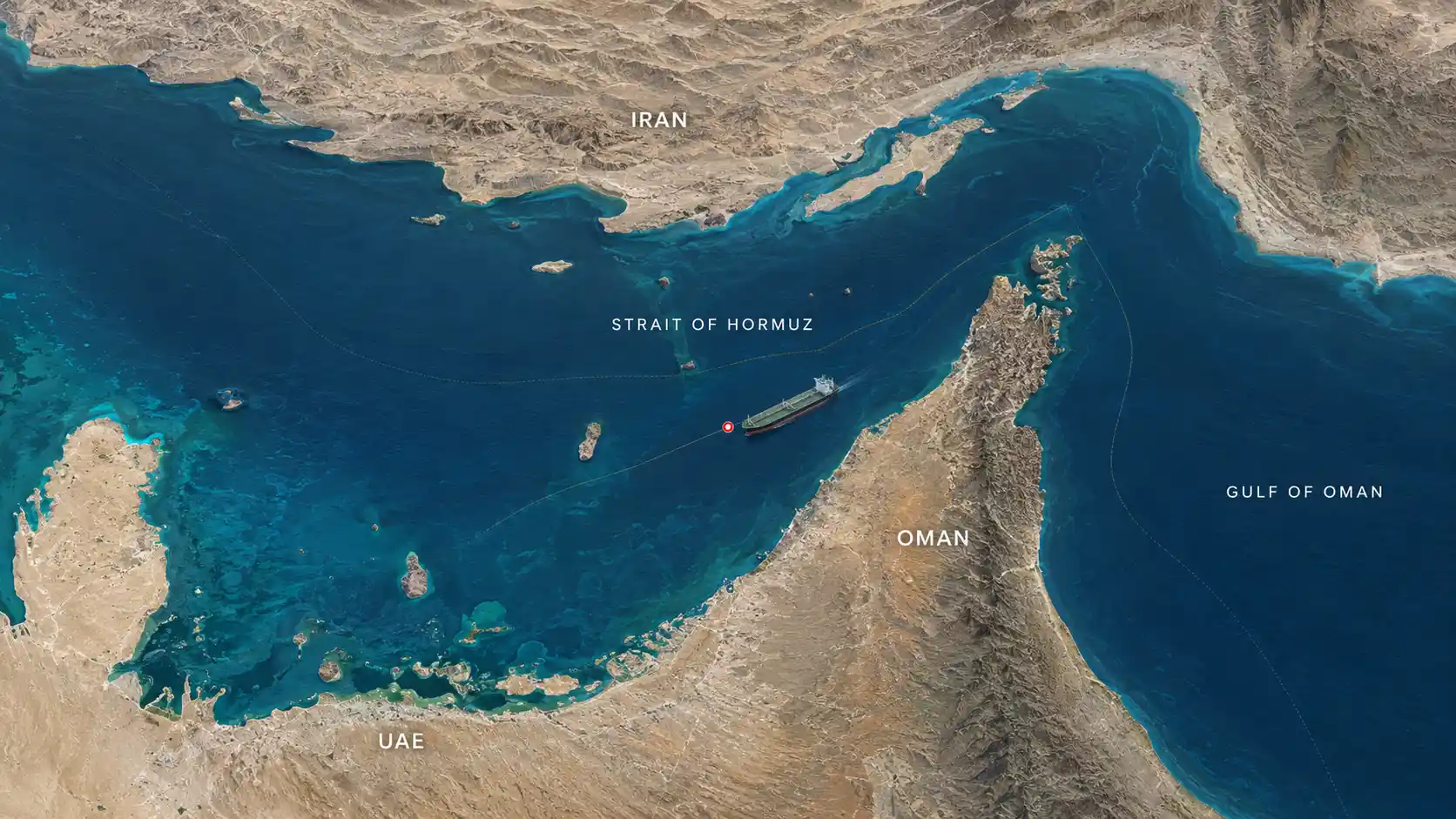
The deaths of two Filipino crew members aboard a Bahri tanker have intensified concerns over the safety of oil shipments through the Gulf’s critical export corridor
Saudi Arabia confirms seafarer deaths
Two Filipino seafarers were killed in an attack on the oil tanker Sidr, owned by Saudi Arabia’s national shipping company Bahri. The incident occurred late on August 31, 2026, while the vessel was transiting the Strait of Hormuz.
Bahri confirmed the fatalities following a security incident at approximately 11:40 p.m. local time. Saudi Arabia’s Foreign Ministry attributed the attack to Iran. Tehran had not issued a detailed public response specifically addressing the seafarers’ deaths at the time of publication.
Gulf Cooperation Council Secretary General Jasem Mohamed Albudaiwi condemned the attack on Sidr, describing it as a threat to international navigation and the security of global energy supplies.
Tanker was carrying about 2 million barrels
Sidr is a Saudi-flagged very large crude carrier. According to Reuters, it had loaded approximately 2 million barrels of Saudi crude at the Juaymah terminal before entering the Strait of Hormuz near Khasab, Oman.
Another tanker, the Liberian-flagged Senegal Prosperity, was attacked within minutes of the Sidr incident. Initial reports said there were no casualties, but Saudi authorities and Bahri subsequently confirmed that two Sidr crew members had died.
Complete information about the tanker’s damage, the weapons used and the vessel’s onward movement has not yet been disclosed. Investigations into the circumstances of the attack are continuing.
Hormuz remains a high-risk shipping corridor
The Strait of Hormuz is critical to oil and liquefied natural gas exports from Gulf producers. Before the escalation of the conflict, roughly one-fifth of global oil and LNG trade passed through the waterway.
The latest attacks increase risks not only for vessels and seafarers but also for charterers, insurers and cargo owners. Continued disruption could result in higher war-risk premiums, reduced tanker availability and more expensive crude shipments from the region.
Ships attempting to transit without coordination with Iranian authorities face particularly high exposure. Iran has expanded a list of tankers it accuses of violating its navigation requirements, including vessels connected to Bahri and ADNOC Logistics & Services.
Threats affect more than one shipping region
The Sidr attack took place in the Strait of Hormuz, not in the Red Sea. Nevertheless, both regions remain high-risk areas for commercial shipping.
In Hormuz, threats include military operations, missiles, drones, mines and possible vessel detentions. In the Red Sea and Gulf of Aden, carriers continue to account for the danger of attacks on merchant shipping, which has forced some services to divert around the Cape of Good Hope.
Simultaneous insecurity across these corridors leaves shipping companies with fewer safe rerouting options. Sailing around Africa increases transit times, fuel consumption and fleet requirements, while operating in the Persian Gulf requires additional security measures and insurance coverage.
Pressure grows across energy supply chains
The loss of life makes the Sidr incident more than another case of damage to commercial tonnage. Operators must now reassess routing decisions, onboard safety procedures and conditions for crews deployed in the region.
Saudi Arabia called for an end to the escalation, respect for international maritime safety and protection of global energy supplies. If insecurity continues, shipowners may further reduce Hormuz transits or demand stronger guarantees before deploying tankers through the strait.
As K2Cargo.News previously reported, up to 400 vessels and approximately 6,000 seafarers were unable to leave the Persian Gulf safely. The Sidr attack demonstrates that crews remain exposed even while crossing one of the world’s most closely monitored maritime corridors.
Read also: Up to 400 Ships and 6,000 Seafarers Unable to Safely Leave Persian Gulf