

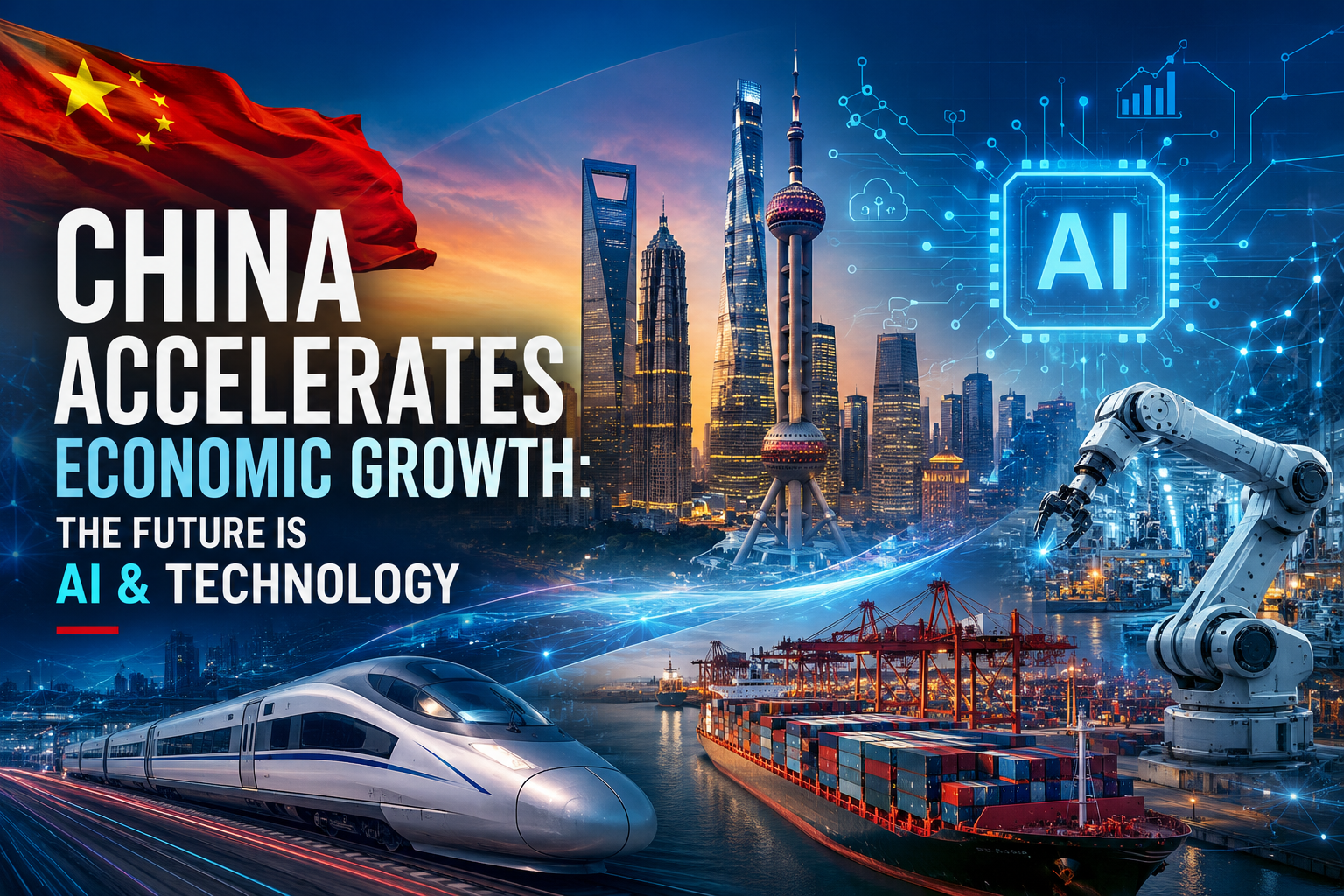
Although a number of economic challenges remain, China’s economy continues to demonstrate steady growth, with innovation, advanced manufacturing, and the modernization of industry serving as its key growth engines. This assessment was shared by Yao Jingyuan, former Deputy Director of the Research Center of the State Council, while commenting on China’s economic performance during the first half of 2026.
According to data released by China’s National Bureau of Statistics, the country’s GDP expanded by nearly 5% year-on-year between January and June, reaching almost 70 trillion yuan (approximately $10.28 trillion). The result remains within the government’s annual growth target of 4.5% to 5%.
At the same time, Yao acknowledged that economic pressure has not been fully eliminated. Both external and domestic factors continue to weigh on growth. Among them are higher global oil prices caused by instability in the Middle East, as well as the ongoing imbalance between supply and demand within China. These challenges are reflected in lower industrial capacity utilization and slower consumer spending growth.
Meanwhile, China continues to invest heavily in sectors expected to secure the country’s long-term economic development. Under the 15th Five-Year Plan, the government plans to implement more than 100 major projects, including:
- the construction of a new hydropower station;
- the expansion of satellite internet infrastructure;
- the development of new strategic infrastructure projects.
At the same time, authorities are accelerating the integration of artificial intelligence and digital technologies into the country’s manufacturing sector.
Consumer activity remained relatively moderate during the first half of the year. Retail sales increased by around 2–3%, while the services sector delivered stronger results, with its value added rising by 5.2%. According to Yao Jingyuan, strengthening domestic demand will remain one of China’s top economic priorities in the coming years. Under the government’s current plans, total retail sales are expected to reach approximately 60 trillion yuan by 2030.
One of the strongest achievements during the first six months of the year was foreign trade. China’s total trade volume grew by nearly 17%, reaching 25.47 trillion yuan. Particularly strong growth was recorded in high-tech products, including electronic components, computer parts, and computing equipment. Combined trade in these categories reached 5.13 trillion yuan, representing a 56.6% increase compared with the same period last year.
According to the expert, China’s foreign trade success is driven by three major advantages:
- the world’s largest and most comprehensive industrial system;
- the high efficiency of its manufacturing sector;
- strong government support for exporting companies.
Yao Jingyuan also believes that China’s economy will gain additional momentum during the second half of the year through faster scientific and technological development, broader adoption of innovation, and continued expansion of high-tech manufacturing. He further proposed bringing forward the implementation of several major projects under the 15th Five-Year Plan in order to stimulate investment activity and provide an additional boost to economic growth.
Read also: Tata to Invest $1 Billion in Its First Shipbuilding Facility
