

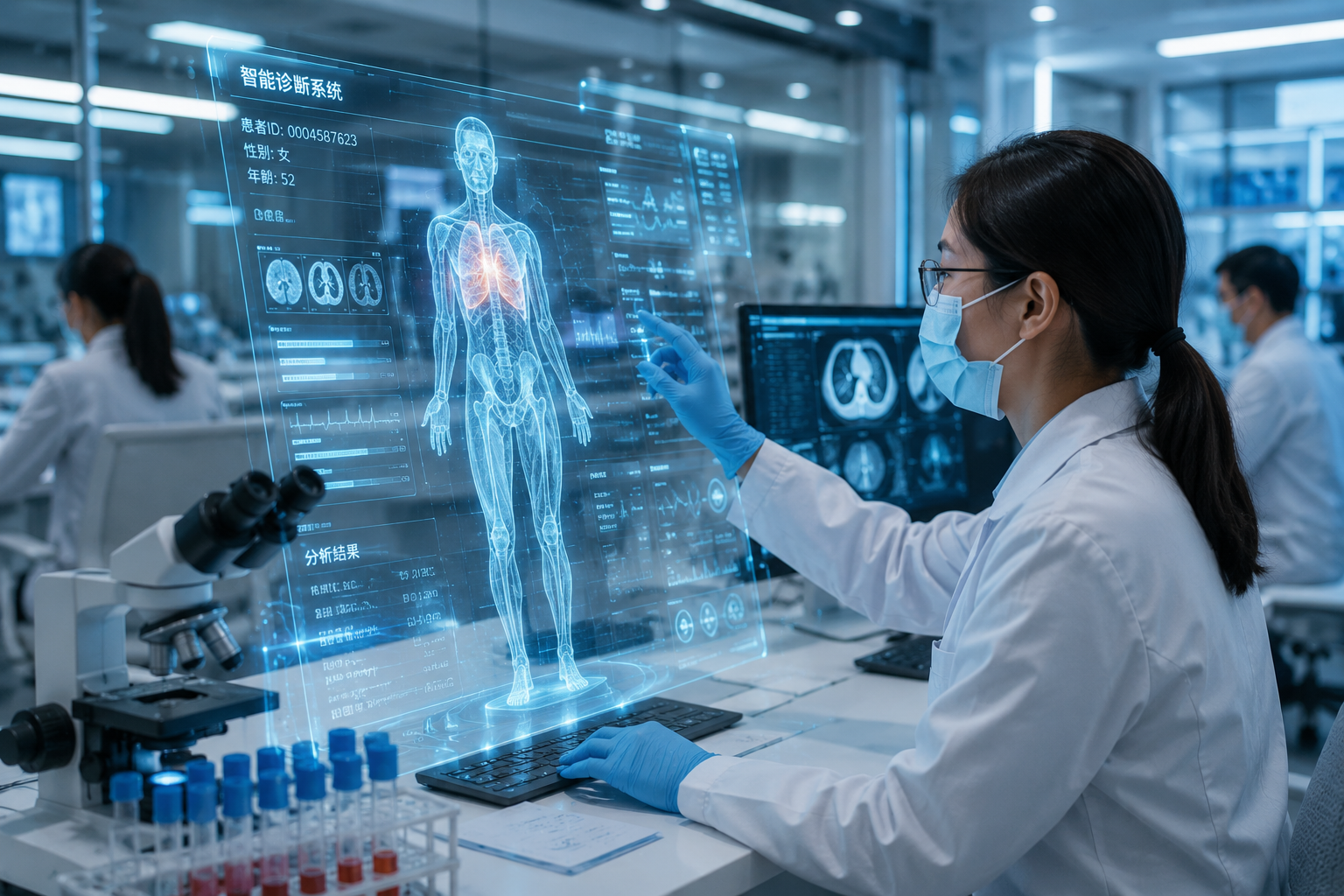
Artificial intelligence is gradually reshaping healthcare in China, helping doctors move beyond treating existing diseases toward earlier detection and prevention. According to Camillo Ricordi, an expert in diabetes research and regenerative medicine, the medicine of the future should focus not only on treating patients but also on helping people maintain their health for as long as possible.
AI can analyze vast amounts of medical data and identify hidden risk factors long before noticeable symptoms appear. This approach treats disease not as a sudden event, but as a process whose warning signs can potentially be detected well in advance.
The professor also highlighted Chinese hospitals that are already introducing artificial intelligence-based systems. According to Ricordi, these technologies demonstrate the potential of proactive healthcare, in which data-driven tools can support doctors in making clinical decisions and place greater emphasis on preventing disease.
This approach is in line with the goals of the Healthy China 2030 initiative, which seeks to improve both life expectancy and quality of life. The development of AI could become an important part of this strategy, helping identify potential health threats earlier and enabling more personalized medical care.
In the longer term, the combination of artificial intelligence, medical data and regenerative technologies could transform the healthcare model itself — from a system focused primarily on treating illness to one designed to prevent disease before it fully develops.
Read also: U.S. President Signs Executive Orders Targeting Birth Tourism and Birthright Citizenship Exceptions
