

Transition Period Begins on September 1
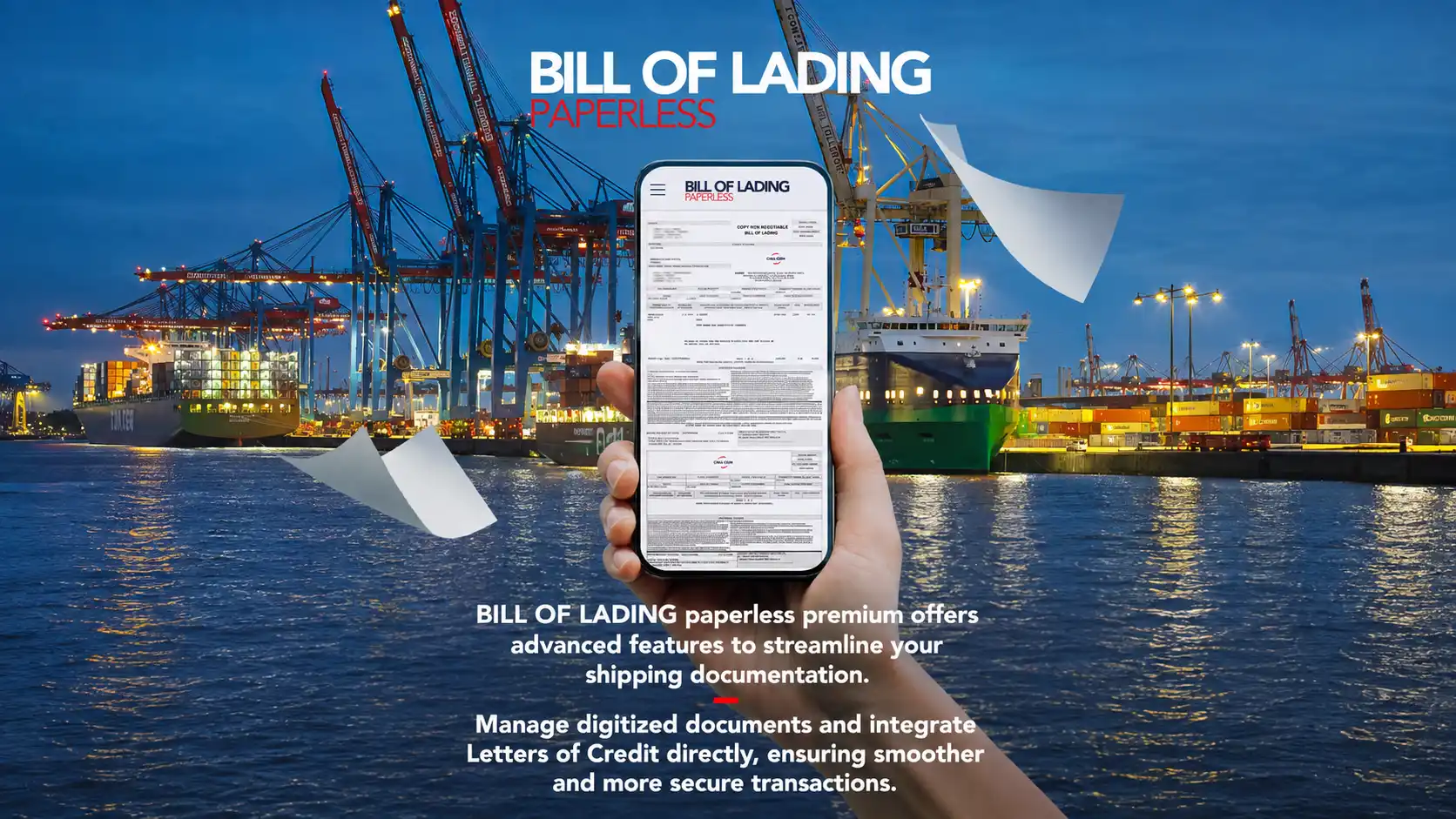
CMA CGM is continuing to digitalize documentation for maritime shipments. According to the carrier’s official customer advisory, a transition period for original bills of lading will run across its Germany Cluster from September 1 through December 31, 2026.
The initiative does not immediately eliminate paper documents. Customers will have three options: a paperless electronic bill of lading for $15, free remote printing of an original bill, or an original document printed by a CMA CGM agency.
From January 1, 2027, agency printing will cost €50 per bill of lading. Existing country-specific agreements and rules in Austria, Slovakia, Czechia and Switzerland will remain unchanged.
What an Electronic Bill of Lading Changes
A bill of lading confirms that a carrier has received the cargo, records the terms of carriage and, in certain transactions, serves as a document of title. Under the traditional process, original documents must be physically transferred between shippers, buyers, banks and other parties.
The CMA CGM Paperless platform allows an eBL to be transferred electronically to the next party almost instantly. The consignee can also surrender the original electronic document to the carrier’s destination office with a single action.
CMA CGM says the system can reduce courier expenses, prevent delays in cargo release and limit the risk of document loss, forgery or fraud. It also provides greater visibility over the endorsement and transfer chain.
Shipping Industry Targets 2030
CMA CGM is among the major ocean carriers supporting the transition to standardized electronic bills of lading. Nine members of the Digital Container Shipping Association have committed to converting 50% of original bills of lading to digital within five years and reaching 100% by 2030.
“The 100% eBL goal is an important milestone for the shipping industry,” said Olivier Nivoix, Group Executive Vice-President for Shipping at CMA CGM.
According to DCSA, ocean carriers issue around 45 million bills of lading annually. Replacing physical document transfers could generate $6.5 billion in direct savings and support an estimated $30–40 billion in additional global trade each year.
Paperless Trade Requires Common Standards
Wider eBL adoption depends on more than decisions by shipping lines. Electronic documents must also be accepted by banks, insurers, customs authorities and the legal systems of the countries involved in a shipment.
Platform fragmentation has been another major obstacle. In May 2025, DCSA announced the first standards-based interoperable eBL transaction between different digital platforms. The transaction used a standardized exchange interface, a common legal framework and a secure control-tracking registry.
Paper bills of lading will therefore not disappear immediately. However, new pricing policies, instant document transfers and interoperable platforms are creating stronger economic incentives for maritime logistics to adopt eBL solutions.
Read also: EAEU to Update Electronic Vehicle Passport Rules by Q2 2027