

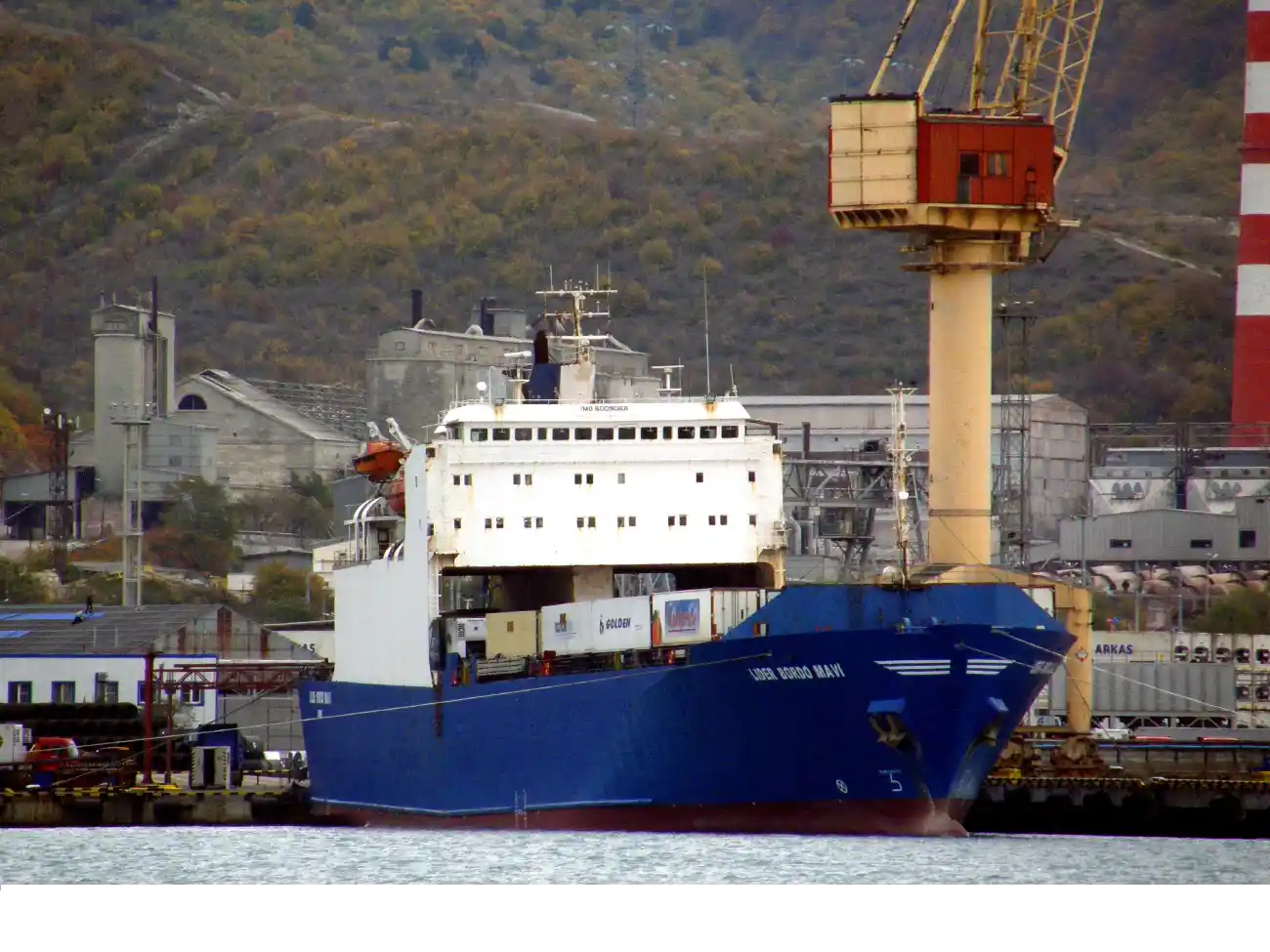
Ankara demanded stronger protection for commercial shipping after Lider Bordo Mavi and Lider Kocatepe were struck while continuing talks with Moscow and Kyiv on a new grain corridor
Türkiye’s Foreign Ministry summoned Ukraine’s ambassador in Ankara following attacks on two Turkish-operated vessels in the Black Sea. The move was reported on August 30 by the state-run Anadolu Agency, citing diplomatic sources.
The first incident occurred on August 26 near the Russian port of Tuapse. Lider Bordo Mavi, a dry cargo vessel carrying vegetables from the Turkish port of Samsun to Russia, was damaged in an attack.
According to information reported by the Turkish side, the vessel was struck by three drones and five crew members were injured. The origin of the drones had not been independently confirmed at the time of publication. Türkiye’s Foreign Ministry confirmed the attack but did not provide details about the weapons used or casualties.
Lider Kocatepe was dispatched the following day to tow the damaged ship. The assisting vessel was subsequently attacked and sustained material damage. Both ships were later directed towards Samsun.
During the meeting with the Ukrainian ambassador, Turkish officials stressed that crews, commercial vessels and maritime infrastructure must be protected from further escalation.
“Türkiye’s reaction was conveyed, and the necessary warnings were issued,” a Turkish Foreign Ministry source said
The ministry highlighted the need to safeguard life, property, navigation and the environment in the Black Sea. Türkiye has not yet disclosed whether additional diplomatic or legal measures will follow the meeting.
Turkish Vice President Cevdet Yılmaz said attacks against civilian ships threaten crews, shipping companies and global food supplies. The Black Sea remains a major export route for grain, vegetable oils, fertilisers, metals and other bulk commodities.
As K2Cargo.News previously reported, dozens of ships have been damaged amid an increase in Black Sea attacks since June 20. The growing number of incidents is forcing carriers to reconsider routes, freight conditions and security procedures.
The attacks on Lider Bordo Mavi and Lider Kocatepe demonstrate that the threat extends beyond vessels conducting regular cargo voyages. Tugs, rescue vessels and other ships sent to assist damaged tonnage can also be exposed.
For shipping companies, such incidents can lead to higher insurance premiums, port delays, additional inspections and last-minute voyage adjustments. Damage to a vessel carrying food may also result in the loss of perishable cargo and disruption of contractual deliveries.
Uncertainty over the origin of the drones creates an additional problem. Until responsibility is established through an official investigation, shipowners, insurers and government agencies may face difficulties determining liability and compensation.
Türkiye has previously urged both Russia and Ukraine to suspend attacks on civilian shipping. After an earlier drone incident near Novorossiysk, Ankara called on the parties to take measures to protect navigation in the Black Sea.
The incidents occurred as Ankara stepped up efforts to establish a protected route for agricultural exports. According to Turkish business newspaper Ekonomim, Türkiye has intensified consultations with Russia and Ukraine on opening a new Black Sea grain corridor.
Tamer Kıran, chairman of the Turkish Chamber of Shipping, said he met Deputy Transport and Infrastructure Minister Durmuş Ünüvar and a ministry delegation. According to Kıran, the deputy minister described the negotiations as intensive but said it was not yet possible to provide an exact timetable.
Ankara is maintaining continuous diplomatic contacts with Moscow and Kyiv. Any potential agreement would need to determine vessel passage arrangements, cargo inspection procedures and security guarantees for crews and port infrastructure.
The previous Black Sea Grain Initiative was brokered by Türkiye and the United Nations in July 2022. It ended in July 2023 after Russia withdrew from the agreement. A replacement mechanism remains under discussion and no launch date has been agreed.
The attacks on Turkish-operated ships may increase pressure on the negotiating parties. At the same time, they illustrate the difficulty of creating a safe corridor without an agreement preventing strikes against commercial shipping.
Even if a political agreement is reached, carriers will require credible security guarantees, commercially viable insurance and effective emergency response procedures. Without these conditions, any recovery in Black Sea grain and cargo traffic would be accompanied by substantial operational risks and additional costs.
No timetable has been announced for completing the investigation into the attacks on Lider Bordo Mavi and Lider Kocatepe. It also remains unclear when grain corridor consultations could advance to a formal agreement.
Read also: Romania destroys explosive sea drone near Neptun Deep