

Seven Companies Selected for Funding
The U.S. Department of Energy has announced $500 million for seven projects designed to expand domestic critical mineral processing, battery component manufacturing and recycling capacity. The awards represent the third funding round under the Battery Materials Processing and Battery Manufacturing and Recycling programs.
For too long, America has depended on foreign actors for critical materials essential to modern life, U.S. Energy Secretary Chris Wright said
The initiative is intended to reduce reliance on foreign suppliers and establish a more resilient domestic production chain. Not all of the funding will go directly to mining: a significant share will support refining, chemical production and the recovery of minerals from used batteries.
Lithium and Cobalt Projects Receive $100 Million Each
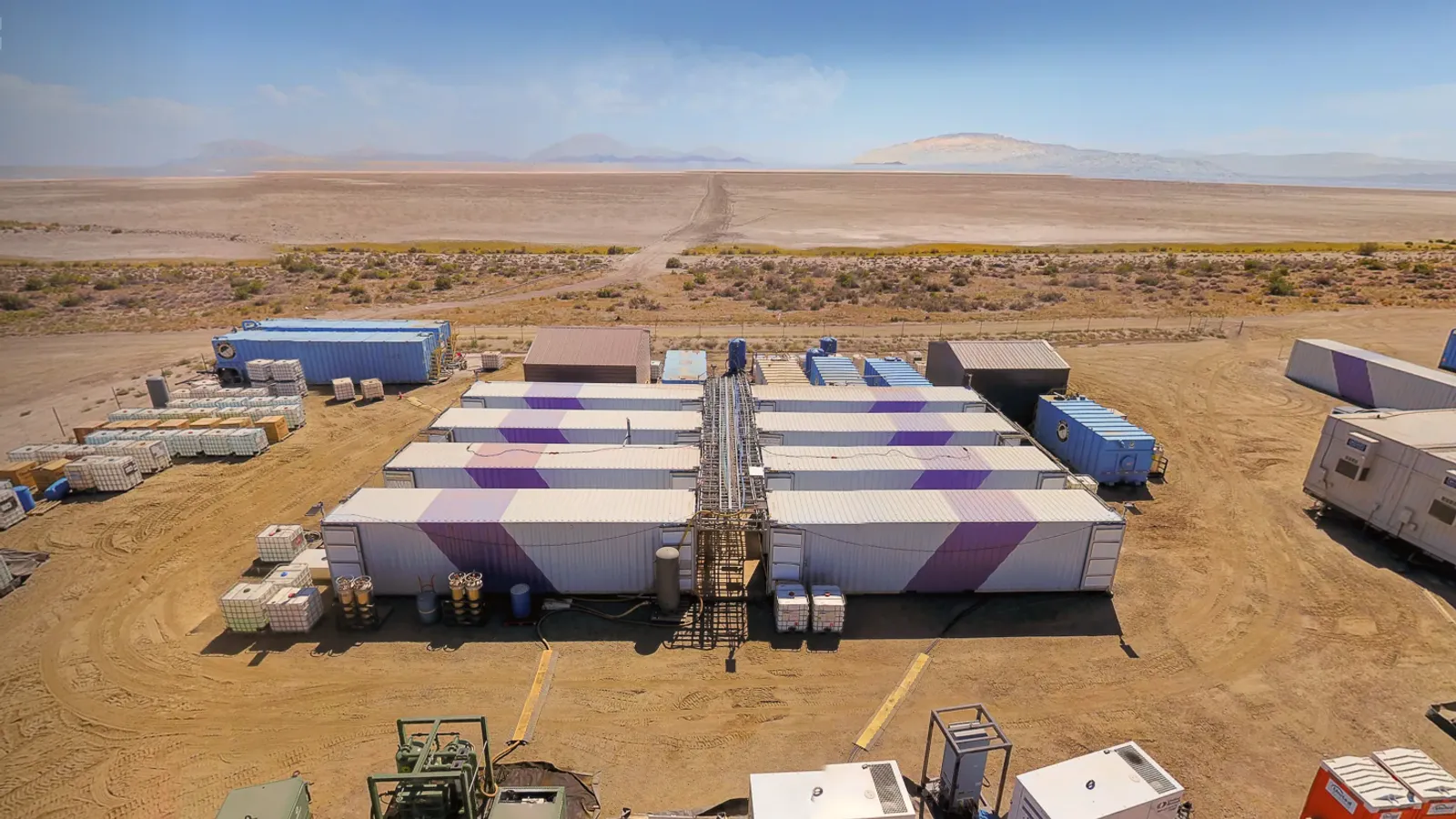
Lilac Solutions will receive $100 million to build a lithium extraction and refining facility on the northeastern shore of Utah’s Great Salt Lake. The company expects to open the facility by 2028 with initial production capacity of 5,000 metric tons of battery-grade lithium carbonate per year.
Jervois will receive another $100 million to develop a commercial refinery producing battery-grade cobalt sulfate and related materials. The project is expected to establish domestic processing capacity for a metal used in batteries, electronics and defense equipment.
Battery Recycling and Component Manufacturing
Nth Cycle has been selected for a $100 million grant to establish a facility in the southeastern United States. It will process black mass from end-of-life lithium-ion batteries and manufacturing scrap into high-purity metals and battery-grade materials.
According to the Energy Department’s official list of selected projects, Princeton NuEnergy, Arcanum Ventures, Elevated Materials and Coreshell Technologies will each receive $50 million. Their projects cover nickel-containing cathode recovery, battery electrolyte chemicals, lithium-metal films and silicon-based anodes intended to replace imported graphite.
Impact on U.S. Supply Chains
The facilities could reduce U.S. dependence on imported refined materials and battery components. Building midstream processing capacity is particularly important because access to mineral deposits does not eliminate foreign dependence if the extracted material must still be shipped abroad for refining.
Domestic production will also create new freight flows between extraction sites, refineries, battery factories and recycling centers. This could increase demand for specialized trucking, rail transport, warehousing and the safe handling of chemicals and battery materials.
The program will not immediately increase resource availability, as the selected facilities must still be built and commissioned. Reuters reported that the grants are part of a broader strategy involving loans, government investments and other financial tools to expand U.S. mineral production and processing.
Read also: White House Steps Up Push for Strategic Resources as Trump Plans Industry Meeting