

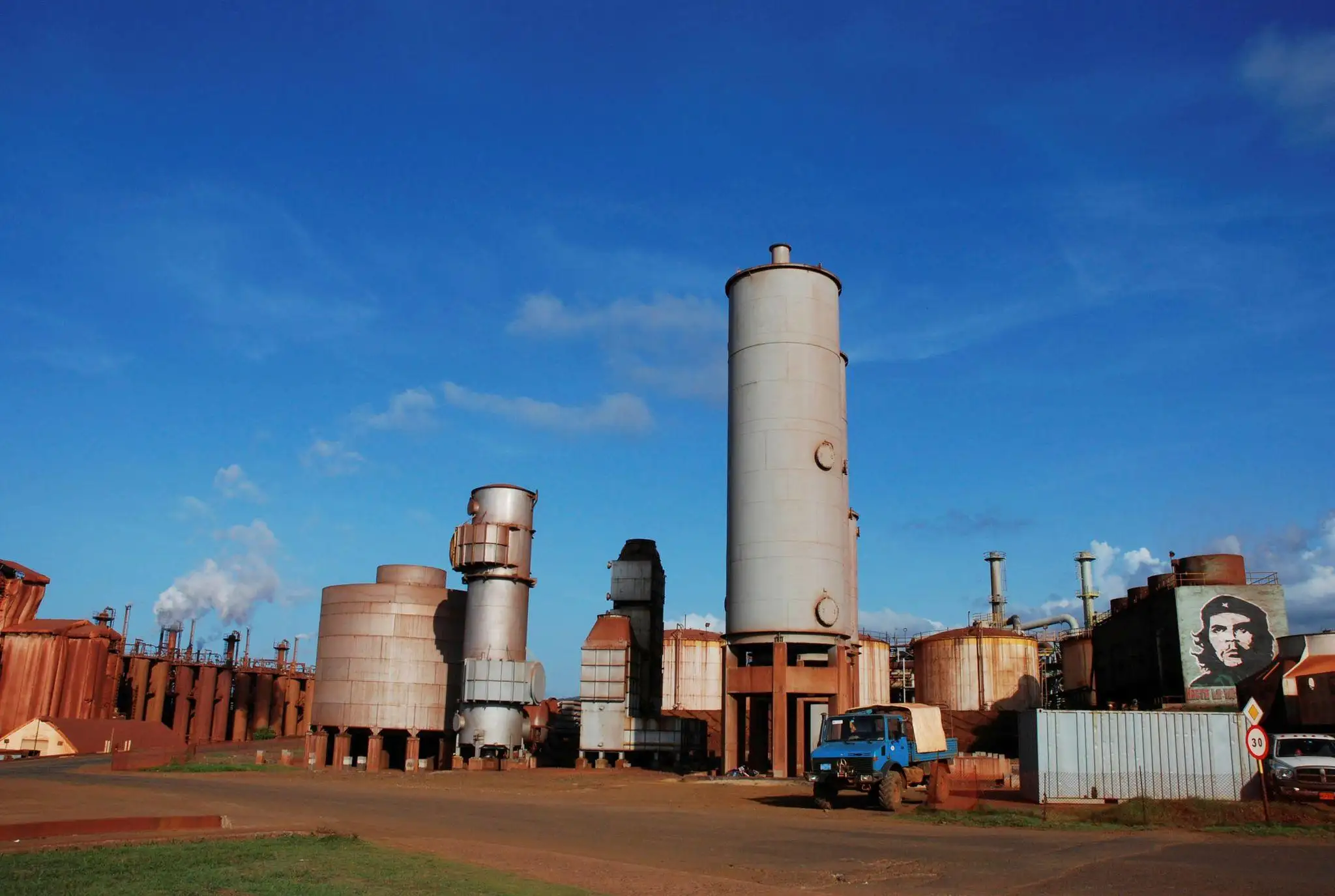
Nine Cuban Entities Added to Sanctions List
The United States designated nine Cuban state entities and three officials linked to the Cuban Institute of Friendship with the Peoples, or ICAP, on August 20, 2026. The measures were imposed under Executive Order 14404, which expanded Washington’s authority to sanction persons supporting the Cuban government.
The official U.S. State Department announcement identifies the following entities:
- Cuba’s Ministry of Construction, known as MICONS;
- Acinox Comercial;
- ACOREC S.A.;
- CORATUR S.A.;
- TRANSIMPORT;
- CONSUMIMPORT;
- Comandante Ernesto Che Guevara Nickel Company;
- METALCUBA;
- GEOMINSAL.
The individual designations cover ICAP President Fernando González Llort, North America Director Leima Martínez Freire and Vice President Noemí Ramona Rabaza Fernández.
“Today’s designations make clear that the Trump Administration will not tolerate the Cuban regime’s efforts to fund its repression,” Secretary of State Marco Rubio said.
Mining and Metals Businesses Face Additional Restrictions
Several of the designated companies are involved in extracting or trading nickel, cobalt and other mineral resources. The Comandante Ernesto Che Guevara company operates one of Cuba’s principal nickel facilities, while GEOMINSAL is connected to geological exploration and mineral development.
METALCUBA and Acinox Comercial participate in the trade of metallurgical products, raw materials and industrial equipment. Other sanctioned entities are involved in importing machinery, components and materials for state-controlled industries.
The decision does not automatically prohibit every transaction involving Cuba’s entire mining sector. OFAC’s guidance on Executive Order 14404 explains that blocking sanctions apply to designated persons and entities, including businesses they own by 50% or more. Foreign companies can nevertheless face sanctions exposure if they provide significant support to blocked parties.
Logistics and Financial Compliance Risks Increase
Property and interests in property belonging to the designated entities that are located in the United States or controlled by U.S. persons must be blocked. U.S. citizens and companies are generally prohibited from conducting transactions with them unless an authorization applies.
Foreign banks and logistics providers also face secondary-sanctions risks. Financial institutions that process significant transactions for blocked Cuban entities could lose access to correspondent or payable-through accounts in the United States or have their property blocked.
Carriers, shipowners, freight forwarders and insurers will therefore need to conduct additional screening of shippers, consignees, beneficial owners and end users. Cargoes involving nickel, cobalt, ores, steel, mining machinery and construction equipment are likely to receive particular scrutiny.
MICONS Wind-Down Period Runs Through September 19
OFAC introduced a limited wind-down period for foreign companies dealing with Cuba’s Ministry of Construction. According to the agency’s official guidance on transactions involving MICONS, non-U.S. persons may complete ordinarily necessary wind-down activities with the ministry and entities it owns by at least 50% through September 19, 2026.
This policy does not authorize prohibited transactions by U.S. persons and does not override restrictions under the Cuban Assets Control Regulations.
Shipping companies must also consider the existing 180-day rule. Under OFAC requirements for vessels calling at Cuban ports, a ship that engages in certain commercial activities in Cuba may be barred from entering a U.S. port to load or unload freight for 180 days unless an authorization or exception applies.
Cuba Warns of Disruption to Essential Imports
Cuban Foreign Minister Bruno Rodríguez accused Washington of deliberately damaging the island’s economy. According to Reuters reporting on the sanctions, he said the measures could obstruct shipments of food, medicine and medical equipment.
The practical impact will depend partly on how foreign banks, insurers and carriers respond. Even transactions that remain legally permitted could face delays because of enhanced compliance checks, rejected payments and companies’ efforts to avoid exposure to U.S. sanctions.
Read also: White House Steps Up Push for Strategic Resources