

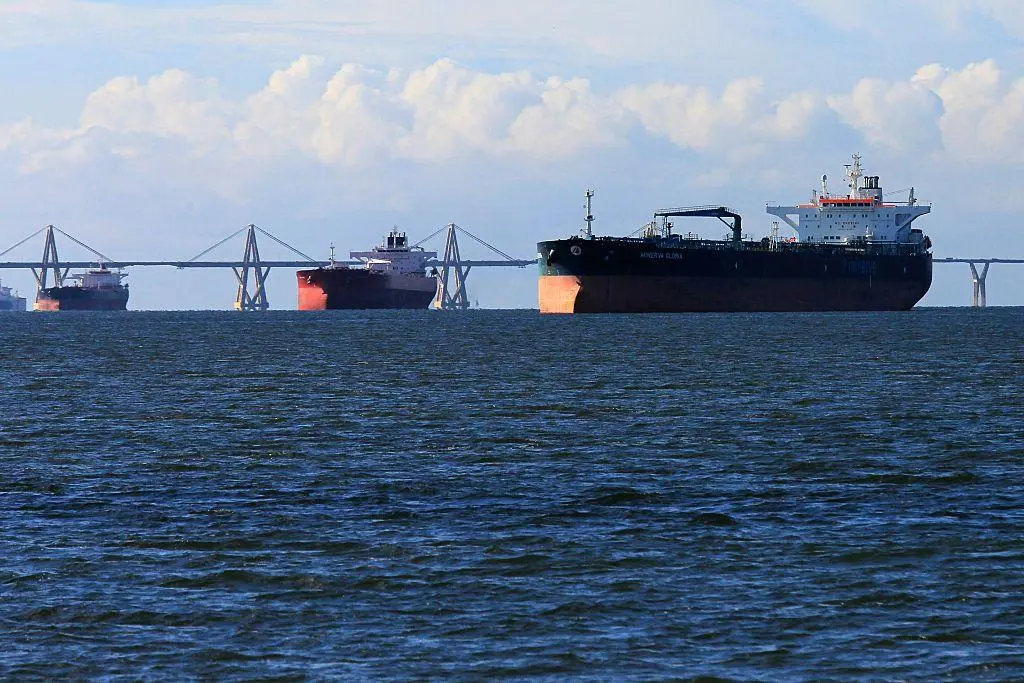
US Imports of Venezuelan Oil Increase
Venezuela is supplying more than 500,000 barrels of oil per day to the United States. US Under Secretary of Energy Kyle Haustveit announced the figure at an industry event in Houston on August 18.
Haustveit estimated that Venezuela is currently producing approximately 1.25 million barrels per day, with roughly half going to the United States. The main destinations are refineries originally designed to process Venezuela’s heavy crude grades.
“This is a beautiful energy partnership,” Haustveit said, emphasizing the commercial benefits for both countries, according to Reuters.
The stated share is an approximate estimate. A flow of 500,000 barrels out of production of 1.25 million barrels represents 40%, although Haustveit referred to volumes above 500,000 barrels and described them as about half of output.
Venezuela’s Exports Rise Nearly 20%
Jovanny Martinez, vice president for exploration and production at state oil company PDVSA, said Venezuelan crude output was expected to reach 1.245 million barrels per day by the end of August.
According to Martinez, the country’s oil exports have increased by 19.7% since the beginning of 2026. Fuel production has risen by 12.9%, while domestic fuel supply has grown by 5.4%.
The PDVSA executive also said Venezuela’s refineries need to be upgraded, modernized and expanded. Limited investment, aging infrastructure and shortages of materials required to dilute heavy crude continue to constrain the country’s production capacity.
US Sends More Than 100,000 Barrels of Naphtha
The trade flow operates in both directions. Haustveit said the United States is sending more than 100,000 barrels of naphtha per day to Venezuela. The lighter petroleum product is blended with extra-heavy crude to facilitate transportation and refining.
Venezuelan oil is generally dense and high in sulfur. According to the US Energy Information Administration, these grades are well suited to the complex refining facilities located along the US Gulf Coast.
Higher imports allow those refineries to increase the utilization of their heavy-crude processing units and reduce the need to source comparable grades from more distant suppliers.
Oil Trade Routes Are Shifting
Rising shipments to the United States shorten transport distances compared with exports of Venezuelan crude to Asia. For the tanker market, this could generate more regional voyages through the Caribbean and the Gulf of Mexico while reducing demand for some long-haul shipments.
If the US continues to absorb approximately half of Venezuela’s production, fewer barrels may be available to other markets. This could affect procurement strategies at Asian and European refineries and intensify competition for heavy crude grades.
The reverse flow of US naphtha also creates an interdependent logistics chain: Venezuela receives the diluent needed to sustain heavy-oil production, while US refineries receive crude suited to their processing configurations.
Export Concentration Creates Risks
A larger US share of Venezuelan exports could provide Caracas with a more predictable market and lower transportation costs. However, dependence on a single destination also leaves trade flows more exposed to changes in US policy, licensing conditions and commercial agreements.
Haustveit said contracts would be respected, but no detailed long-term supply commitments have been disclosed. The current redistribution of oil flows should therefore not yet be treated as a permanent trading structure.
Read also: Analytical Report: The Blockade of the Strait of Hormuz During the U.S.-Israeli War Against Iran