

Germany Demands Further EU Action
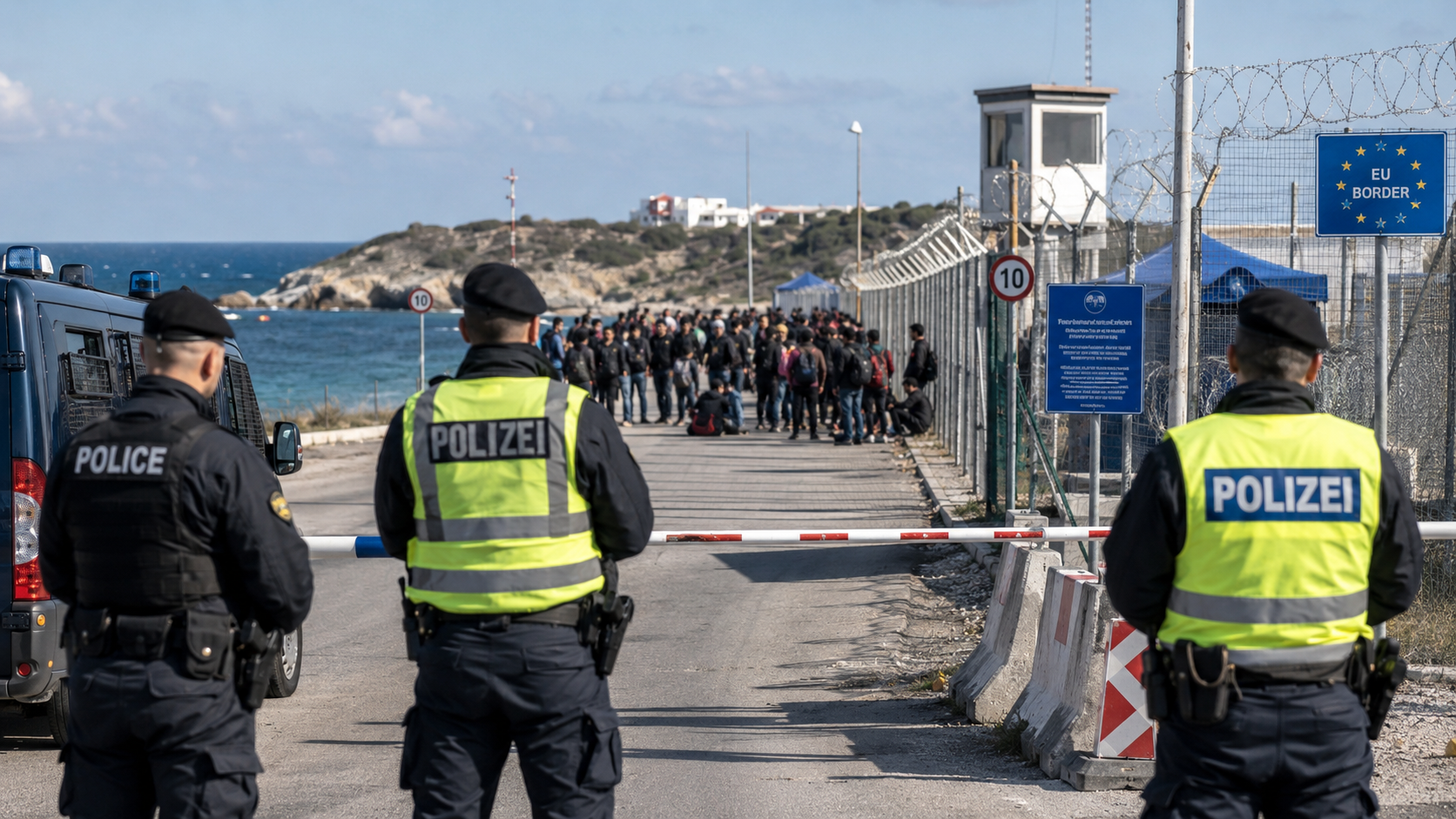
German Foreign Minister Johann Wadephul has called on the European Commission to give absolute priority to protecting the European Union’s external borders.
His comments followed a mass border crossing from Morocco into the Spanish territory of Ceuta, where tens of thousands of migrants arrived within a short period.
Wadephul said the events had exposed Europe’s vulnerability and represented a major stress test for the European Union. He argued that effective external border controls were essential to preserve passport-free movement inside the Schengen Area.
He had previously called on Spain to regain full control of the situation and work with Morocco to arrange the return of people who had no legal right to enter.
Around 50,000 People Crossed the Border
The mass movement began in late July. Spanish authorities initially estimated that approximately 50,000 people entered Ceuta by land and sea.
Some crossed border fences, while others attempted to bypass the barriers by swimming around the coast. Spain deployed additional police and military personnel to the territory.
Following talks between Madrid and Rabat, most of those who entered returned to Morocco. The large-scale crossings largely stopped, although the situation did not return completely to normal.
As of August 3, an estimated 3,000–5,000 migrants remained in Ceuta. Local reception facilities were overwhelmed, while hundreds of unaccompanied minors required accommodation and protection.
More than 80 people were reported dead on the Spanish and Moroccan sides of the border. Some drowned, while others suffered fatal injuries during overcrowding around fences and breakwaters.
Large-Scale Movement Into Mainland Europe Was Prevented
Ceuta is Spanish territory and part of the European Union, but it has a special border status.
Entering the city does not automatically allow a person to travel to mainland Spain or move freely throughout the Schengen Area. Passengers leaving Ceuta by sea or air are subject to identity checks.
As a result, most migrants were unable to continue toward other European countries. With shops closed, accommodation unavailable and no realistic prospect of leaving Ceuta, many agreed to return to Morocco.
European authorities therefore prevented large-scale secondary movement through Spain. However, Ceuta itself continued to face a serious humanitarian and infrastructure crisis.
Wadephul Describes Morocco as an Essential Partner
The German foreign minister said irregular migration could not be controlled without cooperation from countries outside the European Union.
Morocco is a key partner on the Western Mediterranean route. Moroccan nationals and people from other African countries travel through its territory while attempting to reach Ceuta, Melilla, mainland Spain or the Canary Islands.
Wadephul welcomed Rabat’s willingness to cooperate with Madrid and receive people returning from Ceuta.
The EU already supports programmes with Morocco covering border management, action against human trafficking, migrant returns and economic development in regions affected by migration.
Pressure on Brussels to expand such cooperation is likely to increase following the Ceuta crisis.
Spain Installs a Floating Barrier
Spanish authorities have started strengthening both the land and maritime sections of the border.
A floating barrier approximately 500 metres long is being installed near the Tarajal breakwater. It consists of pneumatic sections and anchored naval buoys.
The structure is intended to make it more difficult to swim around the border fence while leaving space for Civil Guard patrol vessels.
Spain has also maintained an increased police and military presence despite the decline in crossings. Authorities believe further attempts remain possible because of regional tensions, trafficking networks and misinformation circulating on social media.
EU Discusses a Joint Border Response
The Ceuta events have created disagreements between European Union members.
Twenty-two countries requested coordinated measures to protect external borders. EU interior ministers are due to discuss the situation during an emergency video conference.
Potential measures include additional support for Spain, greater Frontex involvement, expanded maritime surveillance, faster registration procedures and more effective returns.
European authorities must at the same time respect asylum law, maritime rescue obligations and the special protections granted to minors.
The crisis demonstrated how quickly pressure at one external border can become an EU-wide political dispute rather than an issue affecting only one member state.
Internal Schengen Controls Threaten Freight Transport
Germany’s principal concern is that weak external border management may encourage more EU countries to restore checks between member states.
When governments fear secondary migration, they often introduce internal border controls. Although such checks primarily target passenger movements, resulting queues regularly affect commercial vehicles as well.
For road carriers, longer border waits mean additional fuel consumption, missed delivery windows and greater risks of disruption to drivers’ hours.
Automotive manufacturing, retail, e-commerce and just-in-time production are particularly sensitive to unpredictable delays.
Wadephul’s call for stronger external borders therefore extends beyond migration policy. Germany is seeking to prevent further erosion of the Schengen system, which supports the free movement of goods and the operation of European supply chains.
Freight Services Through Ceuta Have Not Been Suspended
Authorities have not announced a general suspension of passenger or freight transport between Ceuta and mainland Spain.
Maritime services and air connections can continue, although stricter checks on people may increase processing times for passengers, drivers, crews and accompanying personnel.
Additional inspections or restricted access may also affect areas close to the land border with Morocco.
Carriers operating through Ceuta, Algeciras and other ports around the Strait of Gibraltar should be prepared for changes in procedures and schedules.
Cargo itself is not subject to migration controls. However, delays involving drivers, crew members or ferry operations can affect the wider transport timetable.
Regional Tensions Remain
Spain and Morocco continue to cooperate, but political assessments of the crisis differ.
Spain’s central government describes Morocco as an important and reliable partner. Officials in Ceuta have nevertheless argued that reduced controls on the Moroccan side made the mass crossing possible.
Morocco attributes the surge to trafficking networks, misinformation on social media and misunderstandings surrounding Spanish court rulings.
There is no confirmed evidence that Rabat deliberately organised the crossings. The crisis nevertheless demonstrated how heavily European border security depends on political cooperation with transit countries.
For Germany, the central conclusion is that stronger external border management is necessary to prevent future regional incidents from threatening free movement within the European Union.
Read also: Italy Reintroduces Border Controls With Spain From August 1