

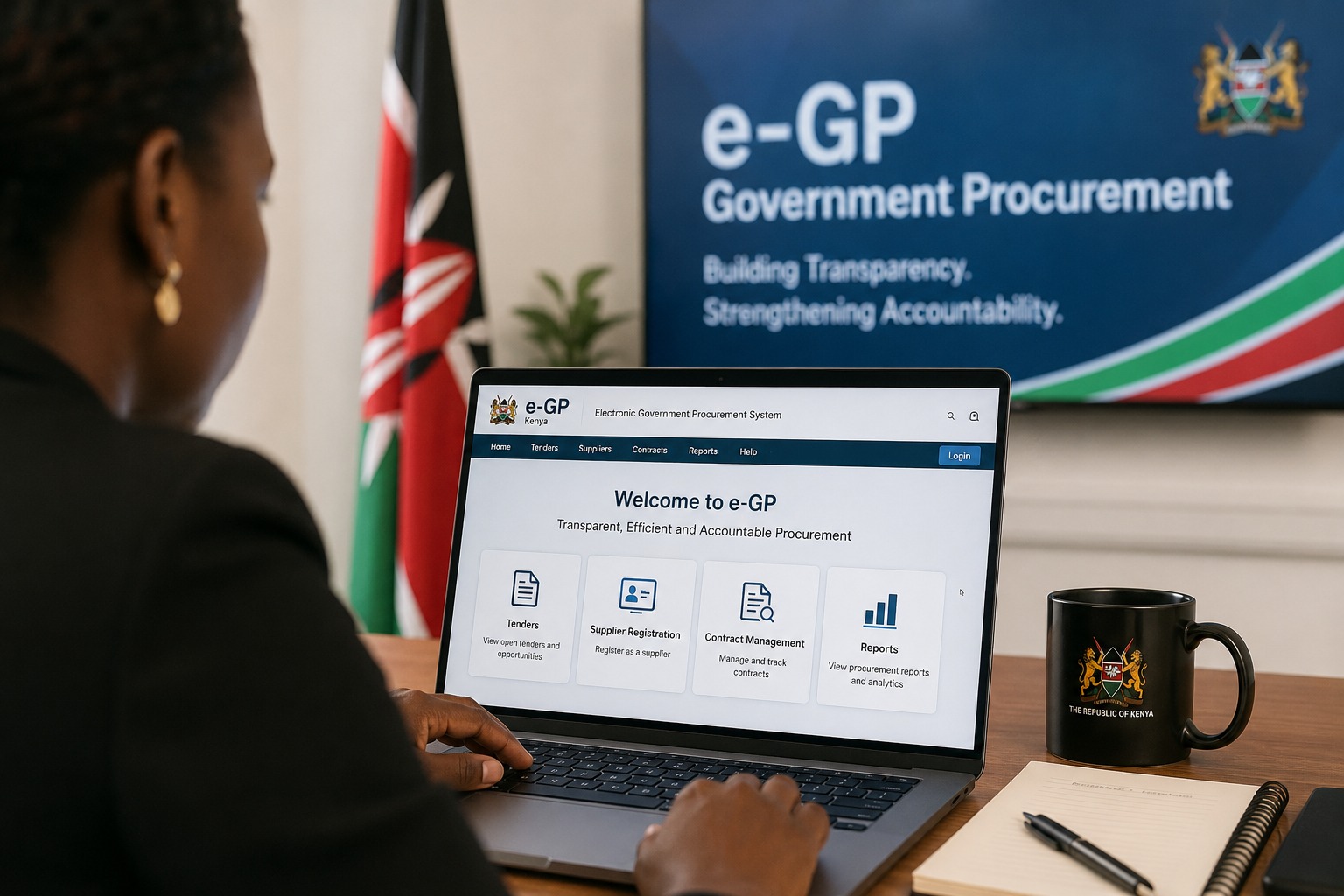
Kenya is preparing to implement one of the most significant public sector reforms in its recent history. Finance Minister John Mbadi has announced that, effective 1 July 2026, all government procurement activities will be conducted exclusively through the Electronic Government Procurement (e-GP) platform.
The new system is designed to improve transparency in public spending, reduce corruption risks, and significantly enhance the efficiency of government operations.
Officials describe the digitalisation of public procurement as a cornerstone of the government’s broader agenda to modernise public administration and combat financial misconduct.
Paper-Based Procedures Are Being Eliminated
Until now, a substantial portion of government procurement in Kenya has been conducted through a hybrid model combining digital and paper-based processes. This approach created opportunities for manipulation, delays, and insufficient oversight of public expenditures.
Beginning on 1 July, all ministries, government agencies, municipalities, and publicly funded institutions will be required to use the e-GP platform exclusively.
The reform includes:
- mandatory electronic supplier registration;
- digital publication of tenders;
- online submission of bids;
- electronic contract execution;
- real-time contract monitoring and tracking;
- centralised storage of procurement data.
Previous exemptions and special procurement procedures will be abolished. According to John Mbadi, the government intends to ensure complete transparency throughout every stage of the procurement process.
Government Procurement Represents the Largest Share of Public Spending
The significance of the reform cannot be overstated. According to Kenya’s Ministry of Finance, public procurement accounts for nearly 60% of total government expenditure.
This includes spending on:
- road and bridge construction;
- medical equipment;
- educational infrastructure;
- transportation projects;
- government IT systems;
- public utilities and essential services.
Even modest improvements in procurement efficiency can generate substantial savings for the government.
Officials estimate that the full implementation of e-GP could save more than KES 85.9 billion annually, equivalent to hundreds of millions of US dollars.
Integration with Tax and Corporate Registration Systems
One of the most important aspects of the reform is the integration of the procurement platform with other government digital systems.
The new infrastructure will interact with:
- the Kenya Revenue Authority;
- the national company registry;
- business identification systems;
- financial oversight and regulatory agencies.
This integration will enable automatic verification of tender participants, identification of companies with outstanding tax liabilities, monitoring of ownership structures, and prevention of fraudulent entities from participating in public contracts.
Experts believe that this cross-agency integration represents the most significant improvement over previous digitalisation initiatives.
Fighting Corruption Becomes a Central Objective
For many years, public procurement has been considered one of the most vulnerable sectors of Kenya’s economy.
International organisations have repeatedly highlighted cases involving:
- inflated contract values;
- the participation of affiliated companies;
- non-transparent contractor selection;
- duplicate payments;
- fraudulent deliveries of goods and services.
The government expects the electronic system to create a comprehensive digital audit trail for every procurement activity.
Each stage—from tender publication to contract completion—will be recorded within the system and remain available for auditing and compliance reviews.
The Finance Minister emphasised that violations of the new rules will not be tolerated and that attempts to bypass digital procurement procedures will be treated as serious breaches of financial discipline.
New Opportunities for Businesses
The reform is also expected to improve access to government contracts for private-sector companies.
Currently, many small and medium-sized enterprises face barriers to participating in public tenders because of complex procedures and the requirement for physical document submission.
With the introduction of e-GP, suppliers will be able to:
- register remotely;
- receive online notifications of new tenders;
- submit bids from anywhere in the country;
- track contract status through a unified interface;
- gain faster access to procurement information.
This is expected to increase competition among suppliers and contribute to lower procurement costs for government agencies.
Kenya Strengthens Its Position as East Africa’s Digital Leader
The launch of the national electronic procurement platform forms part of Kenya’s broader digital transformation strategy.
In recent years, Kenya has emerged as one of Africa’s leading countries in digital financial services, e-government solutions, and mobile payment technologies.
Authorities believe that fully digitising public procurement will strengthen the country’s investment attractiveness and increase confidence among international financial institutions.
For foreign investors, the existence of a transparent procurement system is widely regarded as an important indicator of effective governance.
Why It Matters for Logistics and Infrastructure
The reform could have particularly significant implications for the transportation and logistics sectors.
A substantial share of government contracts in Kenya relates to road construction, railway infrastructure, port modernisation, equipment procurement, and other large-scale infrastructure projects.
Greater transparency in procurement could:
- accelerate the implementation of infrastructure programmes;
- reduce corruption-related costs;
- increase competition among contractors;
- improve the quality of public projects;
- attract more international companies to participate in tenders.
As East Africa continues to develop major transportation corridors, the implementation of e-GP could become one of Kenya’s most significant steps toward modernising public administration and creating a more efficient business environment.
If successfully implemented, the reform could serve as a model for other African countries seeking to improve transparency in public spending and accelerate the digital transformation of government services.