

Oil Loadings Have Been Repeatedly Suspended
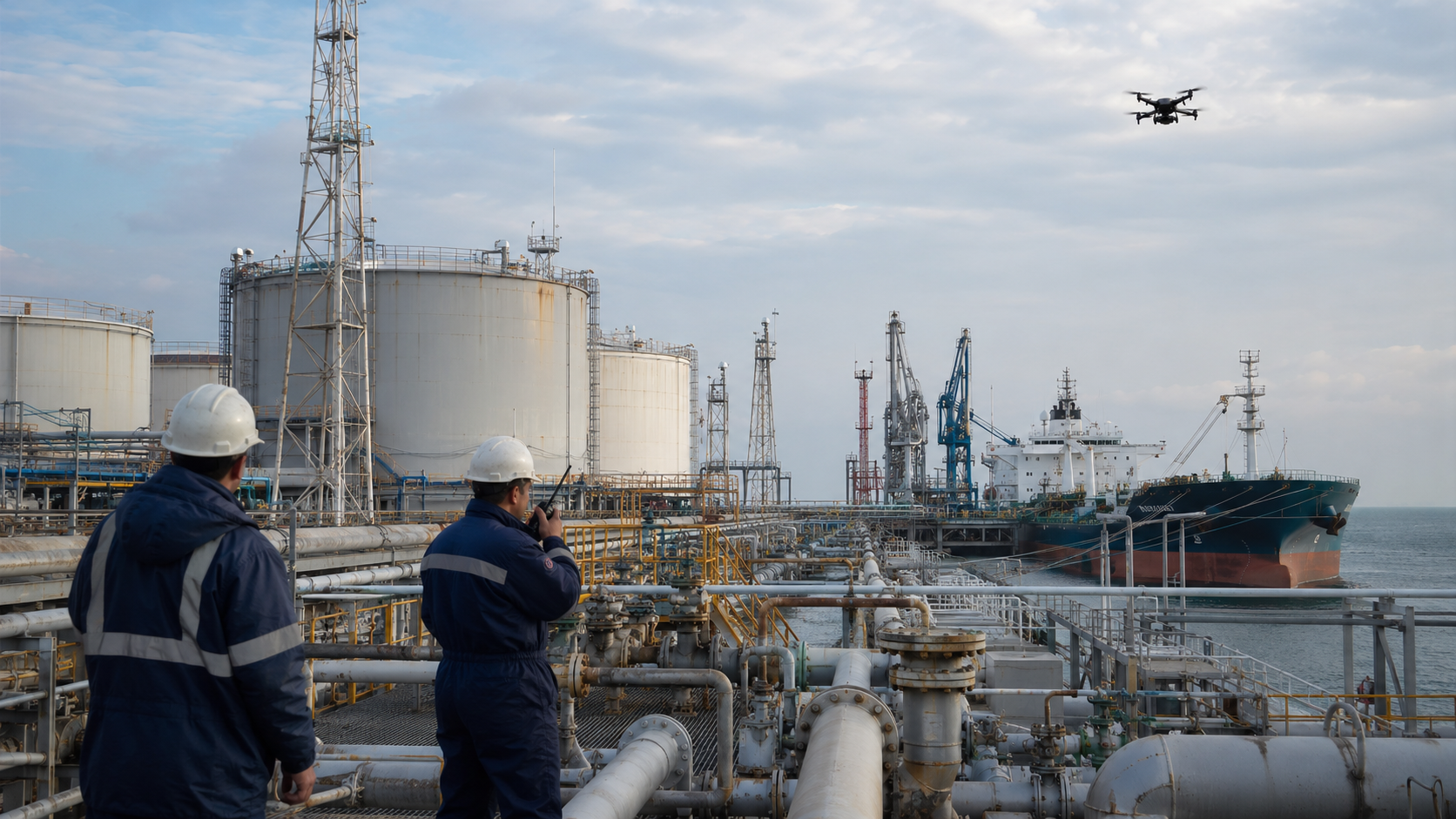
Operations at the Caspian Pipeline Consortium’s Black Sea marine terminal remain unstable. Reuters reported that loading activity has been repeatedly suspended this week because of drone attack warnings and difficulties securing tankers for crude shipments.
The terminal handles crude transported through the 1,511-km Tengiz–Novorossiysk pipeline. CPC is Kazakhstan’s main oil export route and carries more than two-thirds of the country’s exported crude.
Loading disruptions have continued since mid-July, with operations in some cases restarting only briefly before being suspended again for safety reasons.
Shipowners Become More Cautious About Russian Port Calls
Tanker availability is creating an additional problem. According to Reuters, some shipowners have become reluctant to accept CPC voyages because of the risk of attacks in the Black Sea.
One CPC Blend seller told the agency that several attempts were needed to secure a tanker for a recent cargo. Russian transport group FESCO has also suspended new operations in the region amid heightened security concerns.
The situation is therefore more accurately described as individual shipowners and operators avoiding certain voyages for commercial and safety reasons rather than an official blanket ban on calls at Russian ports.
Tankers at the CPC Terminal Were Attacked in July
On July 19, CPC reported drone attacks on the tankers ASIA and NISSOS IOS while they were loading crude. A fire broke out aboard ASIA and was extinguished, with no oil spill reported. Loading operations were temporarily suspended.
On July 20, CPC reported another attack involving the tanker NELSA while it was loading at a single-point mooring. A fire also broke out aboard that vessel and most of the crew was evacuated.
Russia has blamed Ukraine for attacks on tankers at the CPC terminal. Reuters noted that Kyiv had not publicly claimed responsibility for those specific incidents, meaning attribution should not be presented as independently established fact.
Kazakhstan Does Not Consider a Full Pipeline Shutdown
Kazakhstan’s Energy Ministry previously said a complete shutdown of CPC operations was not under consideration and that the situation remained under control.
The route is critical for Kazakhstan. Shipbroker BRS estimates that CPC handles roughly 80% of the country’s crude exports, meaning prolonged disruption could force producers to reduce output if oil cannot be moved to international markets.
Kazakhstan’s oil production fell by about 14% in July compared with June amid instability affecting export operations.
Kazakhstan Looks for Additional Oil Export Routes
The disruption is increasing pressure on Kazakhstan to diversify its export logistics. Tengizchevroil plans to ship around 100,000 tonnes of crude by rail to Georgia’s Black Sea port of Batumi in August, according to Reuters sources.
Alternative routes cannot replace CPC capacity in the short term, but rail shipments and corridors across the Caspian Sea, Azerbaijan and Georgia can absorb part of Kazakhstan’s export volumes.
The disruption is also affecting pricing. Traders said August-loading CPC Blend cargoes were offered at almost $4 per barrel below Dated Brent, compared with a premium only a few weeks earlier.
Read also: AD Ports Confirms Strategic Interest in Kazakhstan
