

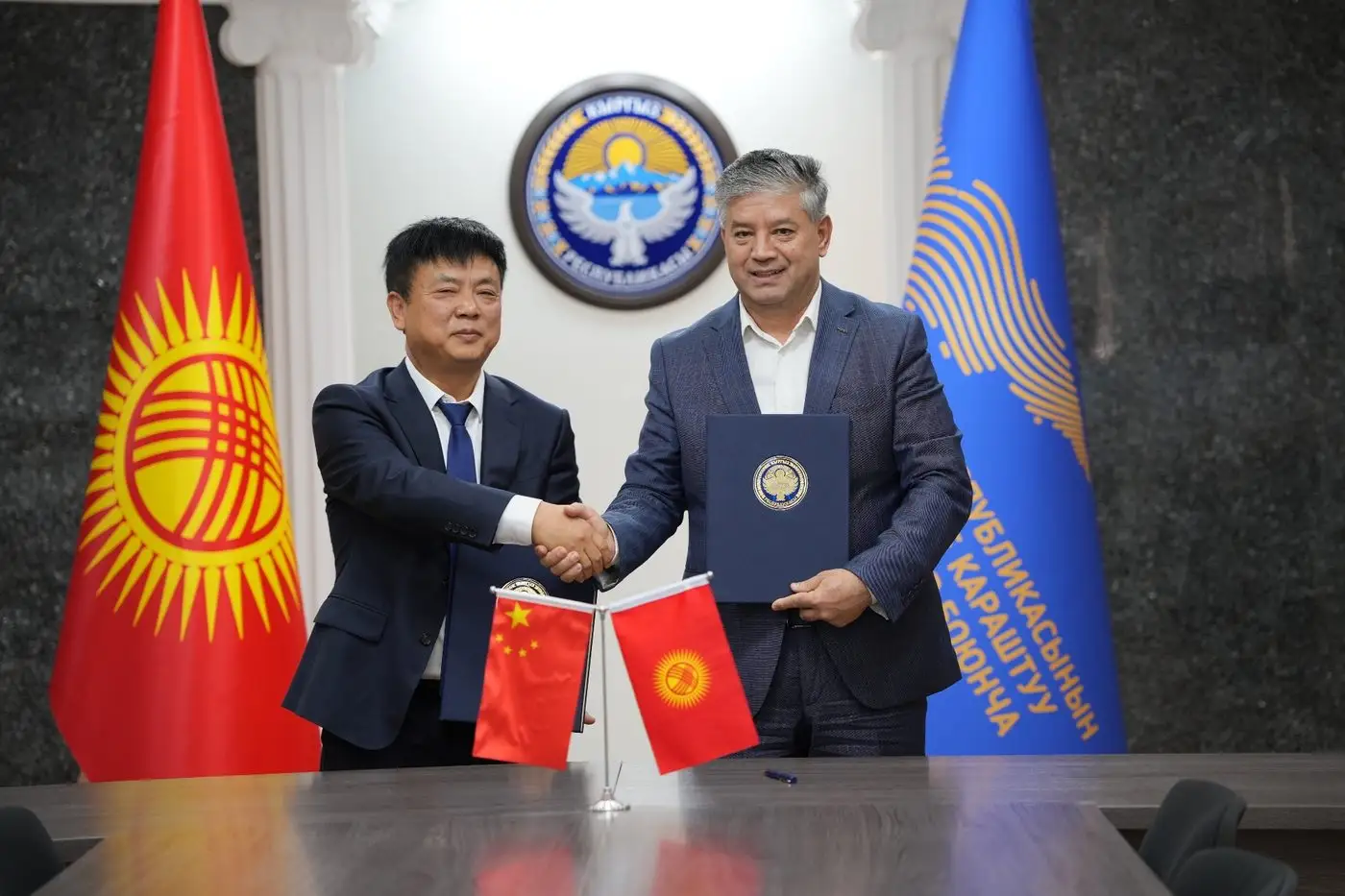
The modernisation of the Kara-Balta facility is expected to increase petroleum-product output, improve fuel quality and strengthen supplies to Kyrgyzstan’s domestic market
Additional Investment Agreement Signed
Kyrgyzstan is preparing to produce Euro 5-standard petroleum products as it advances the modernisation of the Junda oil refinery in Kara-Balta.
The additional agreement was signed on August 25, 2026, by Ravshanbek Sabirov, head of the National Investment Agency under the President of the Kyrgyz Republic. It amends an investment agreement between the Kyrgyz Cabinet of Ministers and Central Asian Energy Company LLP.
According to the official announcement from the National Investment Agency, the document allows the project to proceed to its next implementation stage.
“The upgraded refinery is expected to produce fuel meeting modern requirements, including the Euro 5 standard,” the agency said
Upgrade Should Increase Refining Depth
Producing Euro 5 fuel requires more than simply expanding output. The refinery must introduce additional processing technologies capable of reducing sulphur and other impurities in gasoline and diesel.
Earlier government project documentation placed the Junda refinery’s capacity at approximately 800,000 tonnes of crude oil per year. The facility occupies around 50 hectares in the eastern industrial zone of Kara-Balta.
Previous modernisation plans included diesel hydrocracking, gasoline hydrogenation, hydrogen production and sulphur recovery units. Expansion of storage facilities and upgrades to existing refining installations were also considered.
However, the National Investment Agency’s latest announcement does not specify which facilities are included in the newly approved stage. An updated investment value, construction schedule and target date for commercial Euro 5 production have not been disclosed.
Domestic Production Could Reduce Import Dependence
Kyrgyzstan remains heavily dependent on imported petroleum products. The reliable operation of a major domestic refinery is therefore important not only for the energy sector but also for road transport and the wider economy.
Higher domestic output could reduce the need to import some gasoline and diesel volumes. This would be particularly valuable when regional supplies tighten, exporting countries change their policies or transport costs rise.
The upgrade will not automatically make Kyrgyzstan fully self-sufficient in fuel. Its effect will depend on crude oil availability, refinery utilisation, the range of products manufactured and the stability of production.
Euro 5 Fuel Matters for Freight Operators
For road carriers, locally produced higher-standard diesel would improve access to fuel compatible with modern truck engines.
Low-sulphur fuel is necessary for the correct operation of exhaust after-treatment systems, particulate filters and other equipment installed on newer commercial vehicles. Fuel that fails to meet the required specifications may increase maintenance costs and the risk of technical problems.
Domestic production could also reduce some logistics expenses associated with importing finished petroleum products. Its effect on retail prices will nevertheless depend on crude costs, taxation, refinery operating expenses and market competition.
Project Could Support Related Industries
The National Investment Agency expects the project to stimulate domestic oil refining, industrial cooperation and related sectors.
Modernisation may generate additional demand for construction, engineering, transport and technical services. Once the new facilities begin operating, the refinery will require crude supplies, equipment maintenance, product storage and distribution to fuel depots and filling stations.
The authorities also expect the project to create jobs and improve the resilience of Kyrgyzstan’s fuel and energy sector.
Agreement Does Not Yet Mean Fuel Is Entering the Market
The additional agreement represents a legal and investment milestone. Before Euro 5 fuel can reach consumers, the project must complete engineering, construction or reconstruction, equipment installation, commissioning and product-certification procedures.
The start of commercial production will therefore depend on the pace of implementation. The National Investment Agency has not yet announced when the upgraded facilities will enter service or how much gasoline and diesel they will produce.
Read also: Uzbekistan Could Supply Kyrgyzstan With Up to 20,000 Tonnes of Fuel a Month