

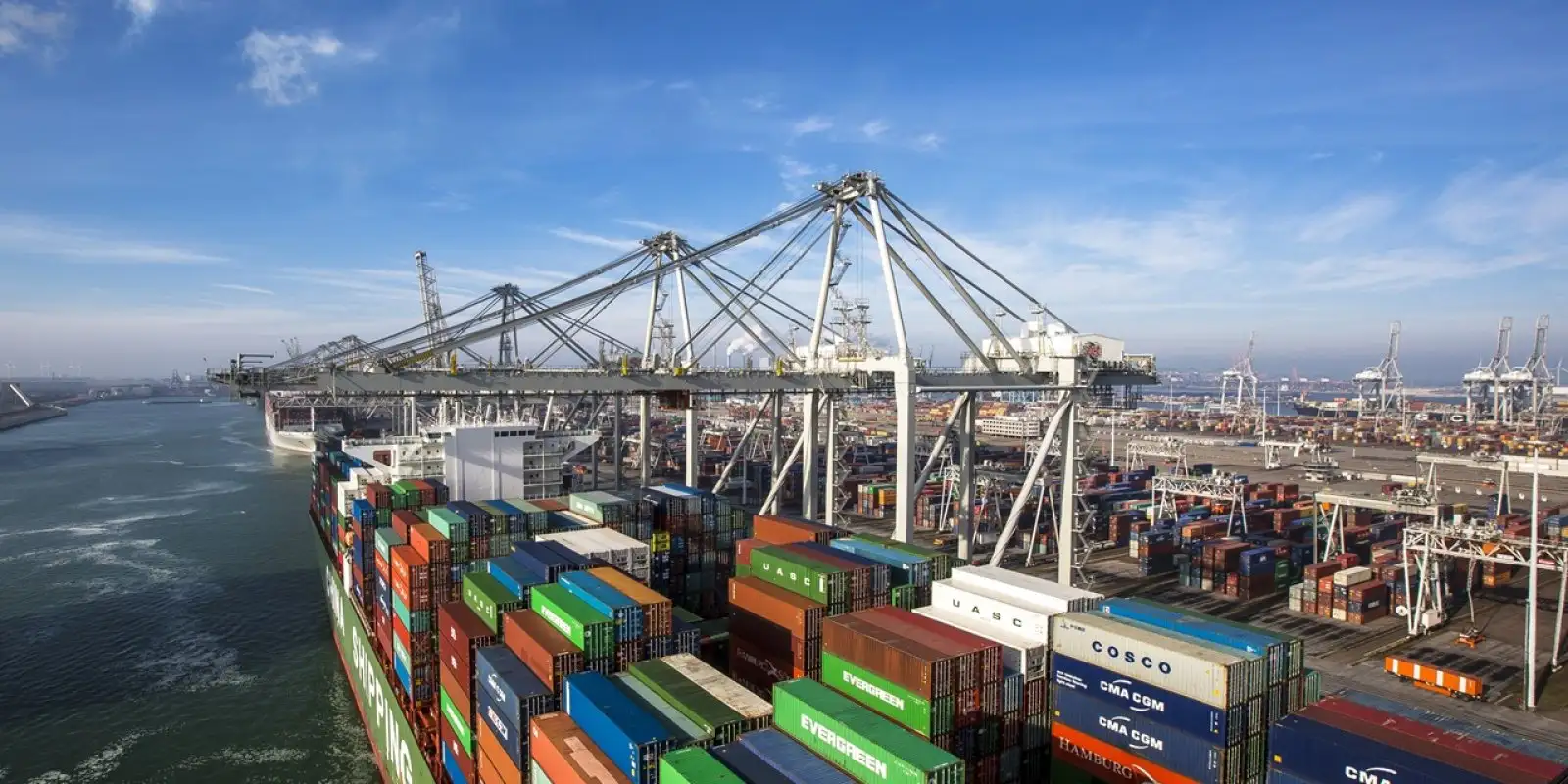
The nearly eight-hour strike will affect cargo loading, unloading and inspections, container-terminal operations and tugboat services at the Netherlands’ leading ports
Port workers in Rotterdam, Amsterdam and the province of Zeeland will join a nationwide strike on September 4, 2026, in protest against planned changes to the Dutch social-security system.
The FNV Havens and CNV unions have called on employees to stop handling vessels between 11:15 and 19:00 local time. Disruption is expected across loading and unloading, cargo securing and inspection, as well as other port operations.
Tugboat crews are also joining the action. Their participation broadens the potential impact beyond terminal handling and could directly affect vessel movements within port waters.
The consequences may be particularly significant in Rotterdam, Europe’s largest port and one of the region’s principal container, energy and industrial hubs. Without tug assistance, some vessels may be unable to maneuver safely, approach their assigned berths or depart from terminals according to schedule.
Hutchison Ports ECT Rotterdam has advised customers that its terminals could close between 11:15 and 19:00. Road transport operations may be suspended earlier.
ECT operates the Delta and Euromax container terminals at Maasvlakte. Restrictions at these facilities could delay container deliveries and collections, force truck appointments to be rescheduled and create cargo backlogs after operations resume.
Other terminals are applying their own operating restrictions. According to a customer notice from QTerminals Kramer Rotterdam, all landside and waterside operations at its Rotterdam facilities are expected to stop between 10:30 and 19:45 on September 4. Customers have been advised to move truck, rail and other cargo operations outside that period.
APM Terminals Maasvlakte II is also restricting truck access after its morning appointment window. At some terminals, truck handling may stop at approximately 10:00 and resume only later in the evening. Other facilities currently expect to remain open, meaning the exact impact will vary by terminal and employee participation.
Hapag-Lloyd has warned that the strike may affect vessel operations, terminal handling and inland container movements. Disruption could continue after the official end of the action as operators clear accumulated cargo and restore schedules.
The stoppage in Rotterdam could rapidly affect road, rail and inland-waterway transport. Hauliers are likely to attempt to deliver or collect containers before the strike begins, potentially increasing pressure on port access roads and terminal yards during the morning.
After 19:00, terminals may face the opposite problem: delayed bookings, waiting trucks and the need to restart vessel handling at the same time. Some cargo could also be redirected to terminals and depots that remain operational, increasing congestion at those locations.
Cargo owners may face revised vessel schedules, delayed container availability, missed rail departures and additional storage or truck waiting charges.
As K2Cargo.News previously reported, disruption at Europe’s largest ports can spread far beyond marine terminals, affecting intermodal connections and delivery schedules across the continent.
The September 4 action is not connected to a collective bargaining dispute between port employees and terminal operators. It forms part of a wider union campaign against social-security changes proposed by the Dutch government.
The dispute primarily concerns the WW unemployment-insurance system and the WIA disability-benefit program. Unions argue that the planned reform would shorten unemployment protection and negatively affect people unable to work because of illness or disability.
Some measures included in the original proposal have been softened. However, FNV and CNV decided to proceed with the strike because they believe the remaining changes would still weaken existing social protections.
The final scale of the stoppage will depend on actual worker participation and the operating decisions of individual terminals. Nevertheless, shippers and transport companies have been advised to prepare for delays in Rotterdam, Amsterdam and Zeeland both on September 4 and during the subsequent recovery period.
Read also: MSC Sets Historic Record by Controlling More Than One-Fifth of the Global Container Fleet