

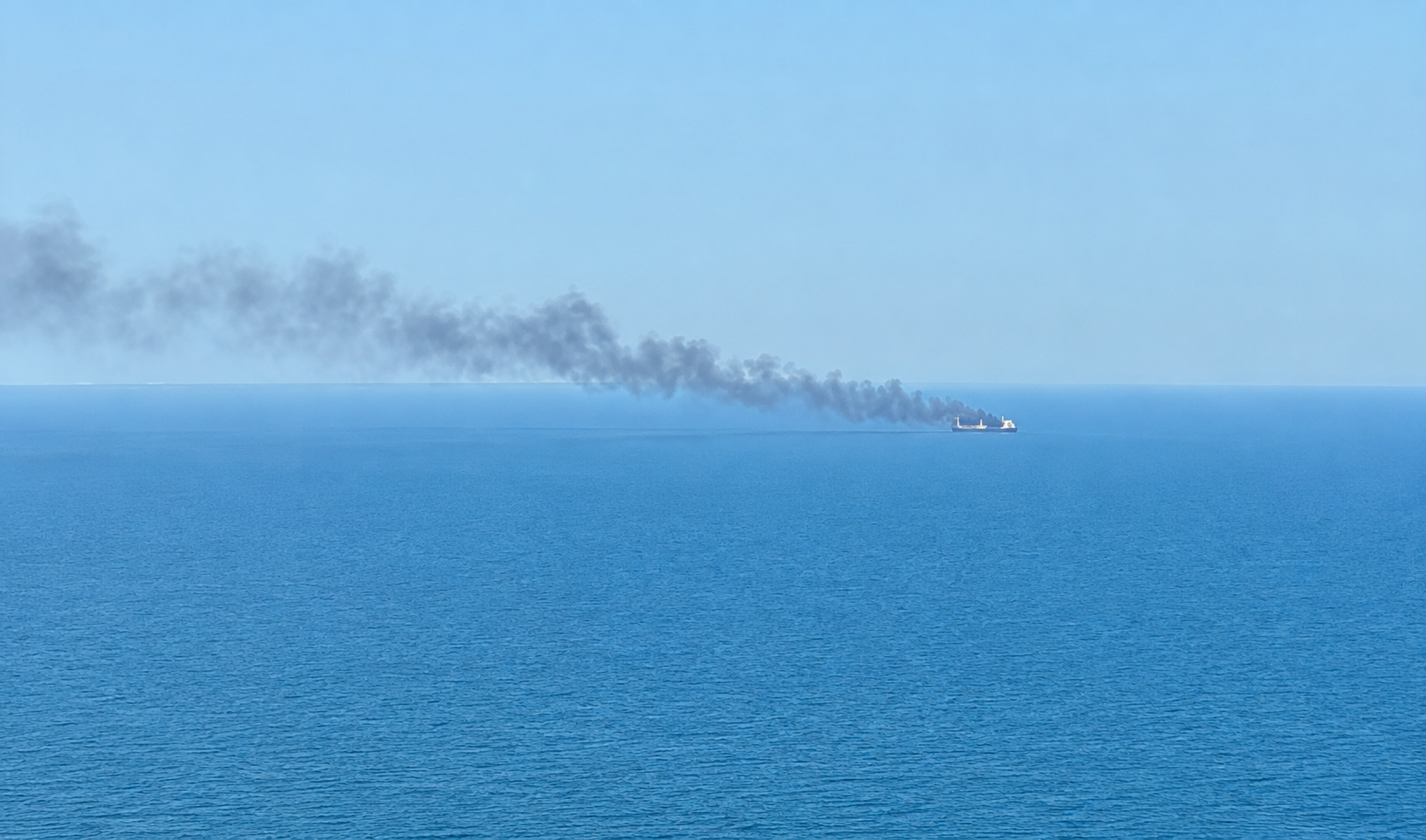
New vessel calls have temporarily stopped
Shipowners have temporarily stopped sending new vessels to Ukraine’s Black Sea ports because of a sharp deterioration in the security situation, Ukrainian Agrarian Policy and Food Minister Taras Vysotskyi said.
According to the minister, Ukrainian ports were still receiving four or five vessels per day on July 21. By July 22, however, new arrivals had stopped.
“As recently as yesterday, four or five vessels were entering the ports. That is not much, but there was traffic. As of today, vessel calls have been suspended. This is a decision by shipowners — the state, for its part, has not imposed any restrictions.”
The development therefore does not represent an official closure of Ukrainian ports. It is a commercial decision by shipowners that have temporarily suspended voyages because of the increased threat to vessels and crews.
Ukraine has not closed the maritime corridor
Widely circulated claims that vessels “will no longer enter Ukrainian ports” require an important clarification. The Ukrainian authorities have not introduced a navigation ban, announced the closure of the country’s seaports or administratively suspended the maritime corridor.
The pause was initiated by shipowners. When military risks rise sharply, fleet operators commonly suspend voyages while they reassess routes, review insurance conditions and wait for updated security information.
It is therefore premature to describe the situation as a complete and indefinite maritime blockade of Ukraine. A more accurate description is a temporary suspension of new vessel calls initiated by commercial carriers.
Port infrastructure may continue operating during such a pause. Terminals can handle vessels already inside the ports, prepare export consignments, move cargo within port complexes and repair damaged facilities. A halt in new arrivals does not automatically mean that all port operations have stopped.
Rising military risks triggered the decision
The suspension followed an intensification of attacks on Ukrainian port infrastructure and commercial shipping in the Black Sea. For shipowners, such incidents create not only a direct threat to vessels and crews but also substantial financial exposure.
Carriers may have to renegotiate voyages with cargo owners, charterers, insurers and terminal operators. Bookings can be cancelled, while previously agreed charter contracts may have to be reviewed.
War-risk insurance is another major concern. When the security situation deteriorates, insurers may increase premiums, shorten the validity of cover, introduce additional restrictions or refuse to insure certain port calls.
A port may remain officially open while shipowners decide that the risks of entering it are unacceptable. According to Vysotskyi’s statement, this commercial risk assessment was the main reason for the temporary suspension.
The government is preparing measures to restore traffic
The Ukrainian government is considering measures intended to stabilise the maritime corridor and restore shipowners’ confidence in Black Sea operations.
The details have not yet been disclosed. Relevant government agencies are expected to consolidate proposals covering port protection, vessel security, war-risk insurance and the continuity of export logistics.
Stable operation of the maritime corridor is strategically important for Ukraine. The deep-water ports of Greater Odesa handle grain, vegetable oils, metallurgical products, containers and other export cargoes.
A prolonged suspension of new vessel calls could cause cargo to accumulate at terminals and grain elevators, extend delivery times and increase logistics costs. A pause lasting only several days, however, is not sufficient to determine the long-term consequences for Ukrainian exports.
Exporters still have alternative routes
Part of the cargo flow could be redirected through Danube ports, railway border crossings, road corridors and European seaports if the disruption continues.
Ukraine has relied on these routes during previous periods when access to its deep-water ports was restricted. Nevertheless, alternative corridors cannot fully replace maritime exports through Greater Odesa.
Rail and road transport require additional transshipment and are generally more expensive. Their capacity depends on border-crossing performance, wagon availability, European infrastructure and coordination between the participants in the supply chain.
Danube ports also face physical limitations. Their capacity depends on navigation conditions, water levels, available vessel tonnage and terminal congestion. Restoring stable calls at the Black Sea ports therefore remains essential for maintaining the competitiveness of Ukrainian exports.
The situation could change within days
Shipowners may revise their decisions relatively quickly. Following an initial suspension, carriers assess the security environment, obtain updated information from insurers and determine whether operations can resume under revised conditions.
In some cases, traffic can restart after war-risk premiums are increased, additional security measures are introduced or port-call schedules are changed. The suspension announced by Vysotskyi therefore reflects the situation at a specific moment and does not amount to a permanent termination of shipping.
The main factors will be the intensity of further attacks, the condition of port infrastructure, the availability of insurance coverage and the willingness of shipowners to accept the remaining risks.
What Vysotskyi’s statement means
The report that vessels had stopped entering Ukrainian ports was based on a genuine statement by the country’s agrarian policy minister. However, claims that vessels would “no longer call” at Ukrainian ports were too categorical.
At the time of the statement, new calls had indeed been temporarily suspended by shipowners. Ukraine had not closed its ports or imposed state restrictions on maritime traffic.
The next developments will depend on security in the Black Sea and the measures offered by the government, port operators and the insurance market. For now, the situation should be described as a temporary pause rather than a complete and indefinite end to Ukraine’s maritime exports.
Read also: Ukrainian Ports Under Massive UAV Attacks