

Domestic Wheat Prices Continue to Rise
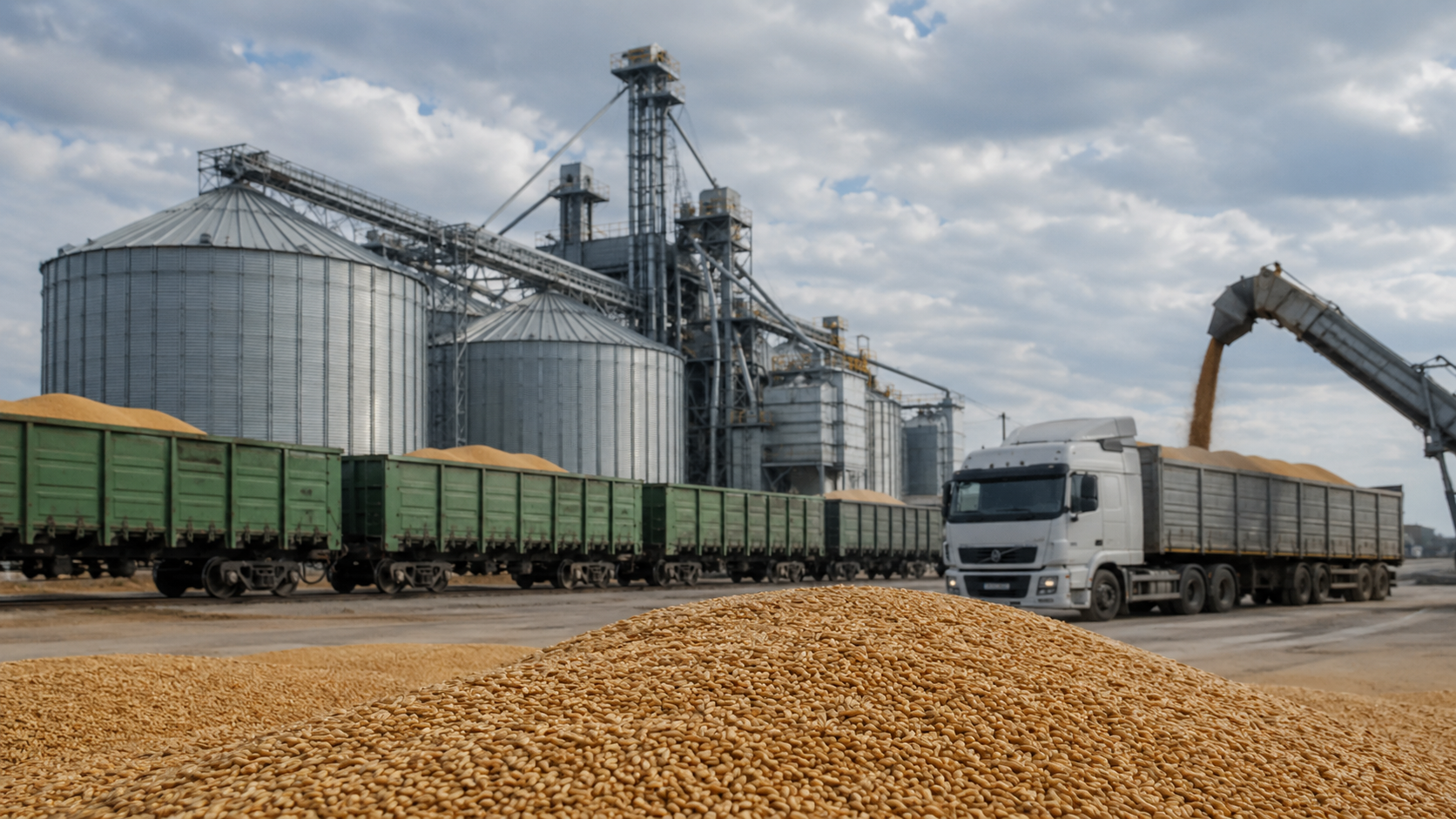
Wheat prices continued to strengthen in Kazakhstan’s domestic grain market during the latest trading week. Third-class wheat was offered at KZT 110,000–115,000 per tonne on an EXW basis, reflecting firmer competition for available volumes.
High-protein wheat reached approximately KZT 118,000 per tonne, while fourth-class wheat traded at KZT 95,000–100,000. Feed barley remained more stable, with prices holding within a range of KZT 89,000–95,000 per tonne.
The difference between wheat and barley dynamics suggests that buyers are currently paying more attention to milling-quality grain. Limited availability of higher-quality wheat is supporting prices even though export demand has not shown a comparable increase.
Export Wheat Market Remains Restrained
Trading activity in Kazakhstan’s export wheat market remained moderate. Third-class wheat prices were broadly unchanged at $260–270 per tonne DAP Saryagash, one of the country’s main gateways for shipments toward Central Asian markets.
Fourth-class wheat strengthened to $245–255 per tonne DAP. The increase was linked to the restricted supply of grain meeting buyers’ quality requirements.
High-protein wheat was offered at $285–290 per tonne DAP. Demand in this segment showed some improvement, but the market as a whole remained less active than the domestic trade.
The current situation creates a noticeable difference between the two markets. Domestic wheat prices are rising, while export values are moving more slowly because foreign buyers remain cautious and logistics costs continue to influence the final price of Kazakh grain.
Barley Exports Show Little Activity
Kazakhstan’s export barley market also remained quiet. Offer prices were reported at $230–245 per tonne FOB Aktau, while deliveries toward China were discussed at around $220 per tonne DAP Dostyk/Alashankou.
The difference between the Caspian and Chinese directions reflects separate logistics chains and buyer requirements. Shipments through Aktau depend on port handling and onward transport across the Caspian Sea, while eastern deliveries rely primarily on rail capacity and border operations.
These routes remain strategically important for Kazakhstan as it seeks to diversify agricultural exports. K2Cargo News previously reported that Kazakhstan is considering new grain and multipurpose terminals to improve access to international markets.
Chinese Demand Supports Feed Flour
The feed flour segment recorded a slight increase in demand from Chinese buyers. Export prices remained within a range of $260–270 per tonne DAP Alashankou.
Although the increase in demand was limited, China remains an important destination for Kazakhstan’s processed grain products. Stable rail connections and predictable border procedures will be critical if exporters want to expand these shipments.
Kazakhstan’s wider grain exports remain high. As K2Cargo News recently reported, the country exported 13.1 million tonnes of grain and flour during the first ten months of the season.
For the market, the next important factor will be whether export buyers accept higher prices or domestic demand continues to absorb available quality wheat. Until then, the internal market may remain firmer than the main export directions.