

Romania Is Also Losing Nuclear Generation
The critical decline in Danube water levels is affecting Romania as well as Hungary.
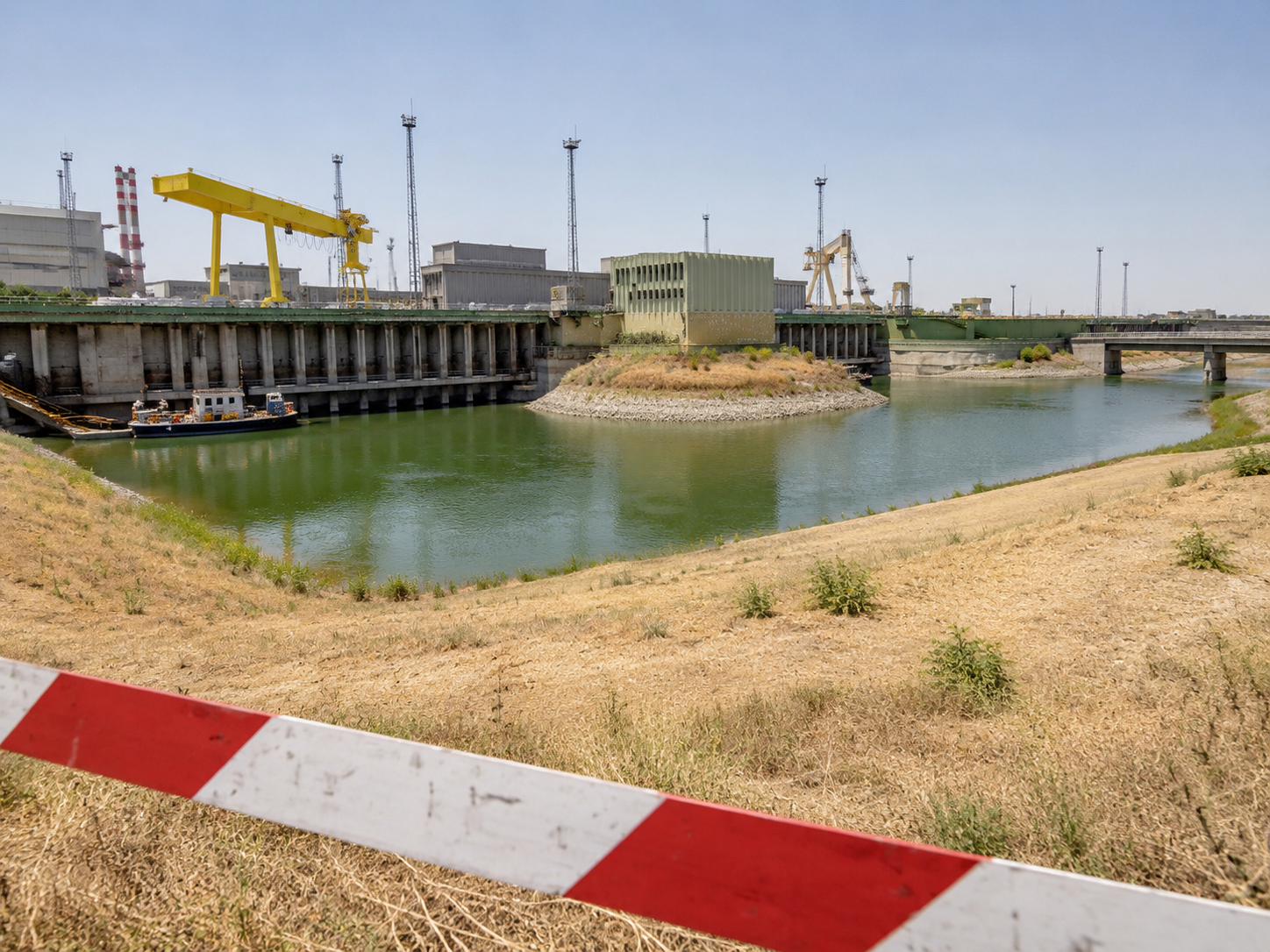
Cernavodă is Romania’s only nuclear power plant. It operates two CANDU reactors with installed capacity of approximately 706 MW each, together providing around 18–20% of the country’s electricity generation.
Romania has no other operating nuclear power station, while state-controlled Nuclearelectrica remains the country’s sole nuclear electricity producer.
One Cernavodă unit has already been shut down because insufficient water was available for cooling. The second unit is now the country’s only operating nuclear reactor and represents roughly half of the plant’s normal capacity.
If the remaining unit is disconnected, Romania will temporarily lose its entire nuclear generation capacity of approximately 1.4 GW. The two reactors had never previously been taken offline simultaneously because of low Danube levels.
Romania Blasts a Rock Outcrop, Not a Mountain
Romanian authorities have taken unprecedented engineering measures to preserve operation of the remaining reactor.
On August 3, the Romanian Navy used approximately 180 kilograms of explosives in a controlled demolition of submerged rocks near the Bala Canal. The objective was to alter the distribution of Danube water and direct a larger flow toward the main channel supplying the Cernavodă plant.
The operation did not involve destroying a mountain. It targeted a rock outcrop that was obstructing efforts to redirect the river.
Authorities plan to construct a temporary dam after the demolition. The structure is intended to reduce the volume entering the Bala Canal and send more water toward the Cernavodă cooling-water intake. The main works were scheduled for completion by August 5.
Romania Activates Energy Emergency Measures
The Romanian government declared a nationwide state of alert in the energy sector for August.
Funding was allocated for the temporary river works, while Bucharest opened discussions with Ukraine and other neighbouring countries about electricity imports during peak-demand periods. However, Romania’s import options are constrained by limited cross-border transmission capacity.
Households and companies have been asked to reduce consumption voluntarily during evening peaks. Mandatory curtailment of major industrial users could follow if the situation deteriorates.
Dacia and Ford Halt Production Until August 19
Romania’s automotive industry has already taken action to reduce electricity demand.
Plants operated by Renault-owned Dacia and Ford agreed to stop production until August 19. The shutdowns coincide with maintenance work but are also expected to reduce national electricity consumption by approximately 200 MW.
The effect extends beyond the manufacturers. Deliveries of components, industrial packaging and raw materials decline, finished-vehicle movements are suspended and just-in-time suppliers lose scheduled production volumes.
Road and rail operators may have to cancel or reschedule services, redeploy vehicle carriers and adjust wagon capacity. Once production resumes, a rapid effort to recover lost output could produce a temporary surge in transport demand.
A Full Cernavodă Shutdown Would Increase Import Dependence
Disconnection of the remaining reactor would deepen Romania’s electricity deficit during peak hours and increase dependence on imported power.
The problem is that Hungary, Serbia and other regional markets are facing similar constraints. Hungary has sharply reduced output at Paks, while Serbian hydropower generation has also been affected by the lack of Danube water. Electricity that Romania needs may therefore not be readily available from neighbouring systems.
Stronger regional demand could raise wholesale electricity prices and increase costs for manufacturers, rail operators, ports, refrigerated warehouses and automated distribution centres.
Ports, Warehouses and Cold Chains Face Exposure
Mandatory industrial curtailment could reach energy-intensive logistics facilities.
Refrigerated warehouses, grain terminals, fuel depots, container yards, automated distribution centres and electric-vehicle charging sites are particularly exposed.
The situation is important for the Port of Constanța and corridors connecting the Black Sea with Central Europe, Moldova and Ukraine. Operators may need to move crane operations, conveyors, refrigeration and equipment charging outside peak-demand hours.
Temperature-controlled supply chains should verify backup generators, fuel reserves, sensor autonomy and procedures for maintaining required temperatures during external power restrictions.
The Danube Is Restricting Both Power and Shipping
The energy emergency is developing alongside worsening navigation conditions.
Danube flow at Romania’s entry point fell to around 1,700 cubic metres per second in July, compared with the usual July range of approximately 4,700 cubic metres. Several ferry services were suspended and grain barges remained idle because of insufficient navigable depth.
Vessels must reduce cargo loads to maintain safe draught. Moving the same amount of grain, fuel, metals and raw materials consequently requires more voyages, while sufficient vessel capacity may not be available.
Cargo will increasingly be diverted to road and rail, although those modes are themselves exposed to electricity restrictions, industrial shutdowns and terminal congestion.
Hungary and Romania Create a Combined Regional Risk
The Hungarian and Romanian situations cannot be treated independently.
Both countries depend on nuclear stations using the Danube for cooling. Both are facing high electricity demand, restricted inland navigation and pressure to reduce industrial consumption.
If Paks and the remaining Cernavodă reactor shut down simultaneously, the region would lose more than 2.7 GW of nuclear capacity compared with normal operation.
The result could be stronger competition for imported electricity, higher prices and further restrictions affecting manufacturing and transport.
For international logistics, the principal threat is the combination of factory shutdowns, reduced barge capacity, freight diversion to road and rail, and possible limitations at warehouses, terminals and cold-storage facilities.
Read also: Heatwave Disrupts European Logistics