

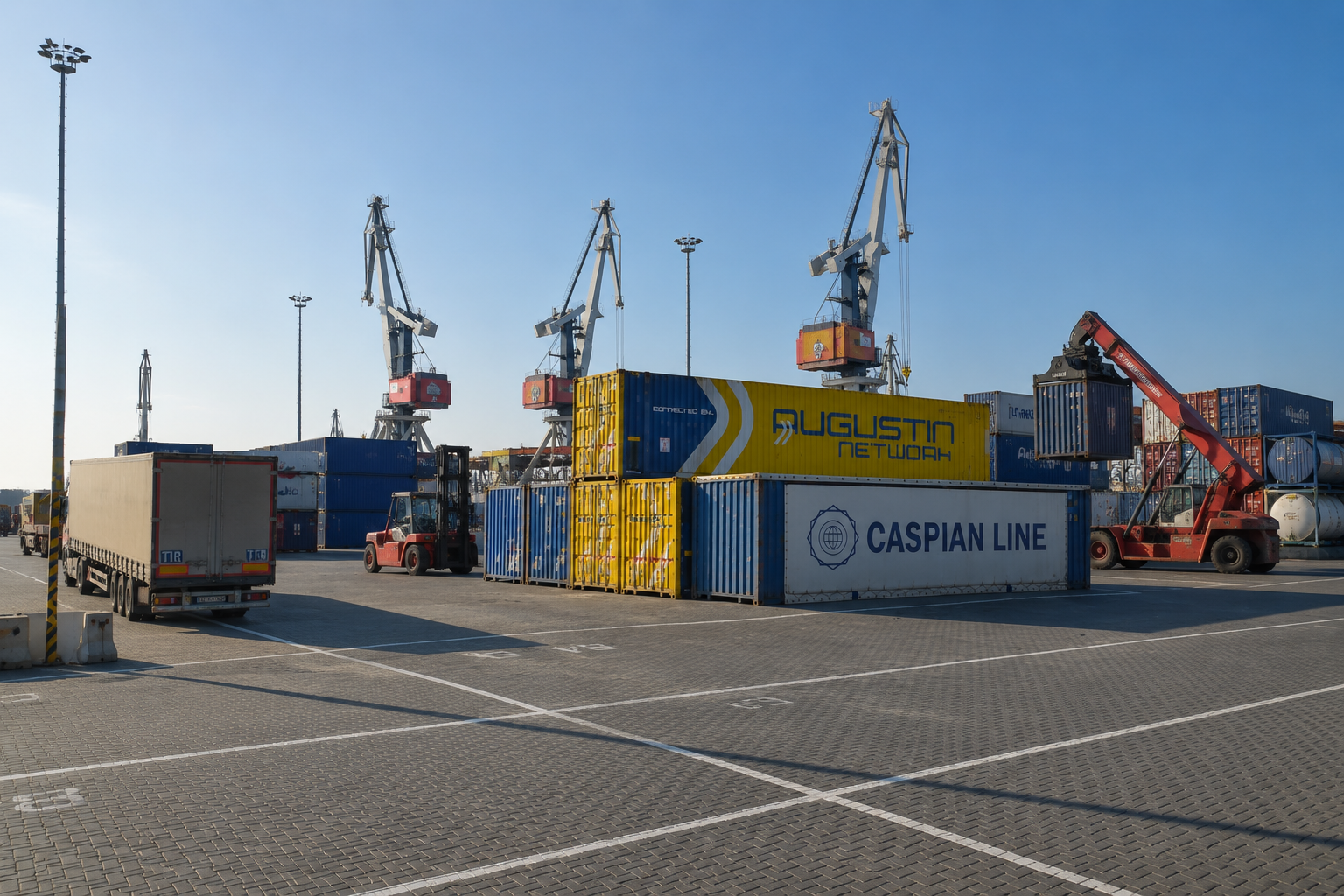
According to official trade statistics and government reports, Azerbaijan’s annual trade turnover with NATO countries exceeds $2 billion, reflecting the growing importance of economic cooperation with Europe and North America and supporting broader regional integration processes.
NATO Countries Remain Key Economic Partners
Although NATO is primarily a security and defense alliance, many of its member states are among Azerbaijan’s largest trading partners and investors. Countries such as Germany, Italy, Türkiye, France, the United Kingdom, the United States, Spain, the Netherlands, Belgium, and Poland maintain active trade and investment relations with Azerbaijan.
A substantial share of Azerbaijan’s exports to NATO member countries consists of energy resources, including crude oil, natural gas, and petroleum products. At the same time, Azerbaijan imports industrial equipment, vehicles, machinery, pharmaceuticals, chemical products, and advanced technologies from these markets.
Economic analysts note that cooperation with NATO countries has expanded well beyond the energy sector in recent years, increasingly encompassing logistics, transportation, manufacturing, renewable energy, information technology, and infrastructure development.
Energy Exports Continue to Drive Trade Growth
The energy sector remains the backbone of Azerbaijan’s trade relations with NATO economies.
Through major projects such as the Southern Gas Corridor and the Trans Adriatic Pipeline (TAP), Azerbaijan supplies natural gas to several European NATO members, helping diversify energy sources across the continent. These exports have become particularly important amid Europe’s ongoing efforts to strengthen energy security and reduce dependence on traditional suppliers.
According to official data, energy products continue to account for the majority of Azerbaijan’s export revenues, while growing non-oil exports are gradually contributing to a more diversified trade structure.
Transport and Logistics Cooperation Expands
Beyond energy, transportation and logistics have become increasingly important areas of cooperation.
Azerbaijan’s strategic location between Europe and Asia positions the country as a major transit hub within the Middle Corridor, connecting China, Central Asia, the South Caucasus, and European markets. NATO member states actively participate in transport projects linked to the development of rail, road, maritime, and multimodal freight corridors passing through Azerbaijani territory.
Investments in the Port of Baku, railway modernization, and logistics infrastructure have strengthened Azerbaijan’s role in regional supply chains and increased cargo volumes moving between Europe and Asia.
Government officials have repeatedly emphasized that improving transport connectivity remains one of the country’s strategic economic priorities.
Regional Integration Gains Momentum
Experts believe that growing trade turnover with NATO countries contributes directly to Azerbaijan’s economic integration into international markets.
Closer commercial ties facilitate investment flows, technology transfer, business cooperation, and participation in global supply chains. In addition, expanded trade relations support the development of small and medium-sized enterprises, export diversification, and job creation across multiple sectors of the economy.
The continued expansion of transport corridors linking the South Caucasus with Europe is expected to further strengthen Azerbaijan’s position as a regional logistics and trade hub.
Outlook for Future Growth
With ongoing investments in energy, transportation, logistics, digital infrastructure, and industrial development, Azerbaijan is expected to continue expanding economic cooperation with NATO member states in the coming years.
Analysts note that the combination of strategic geography, growing transit potential, and increasing international connectivity creates favorable conditions for further growth in trade volumes. As regional transport routes become more important for Eurasian commerce, Azerbaijan’s economic links with NATO economies are likely to remain a key factor supporting long-term development and regional integration.
Read also: Turkish Airlines Once Again Named Turkey’s Most Valuable Brand