

The global shipping industry continues to actively embrace digital technologies, yet companies remain reluctant to rely entirely on a single software provider. This conclusion comes from a survey of leading maritime companies.
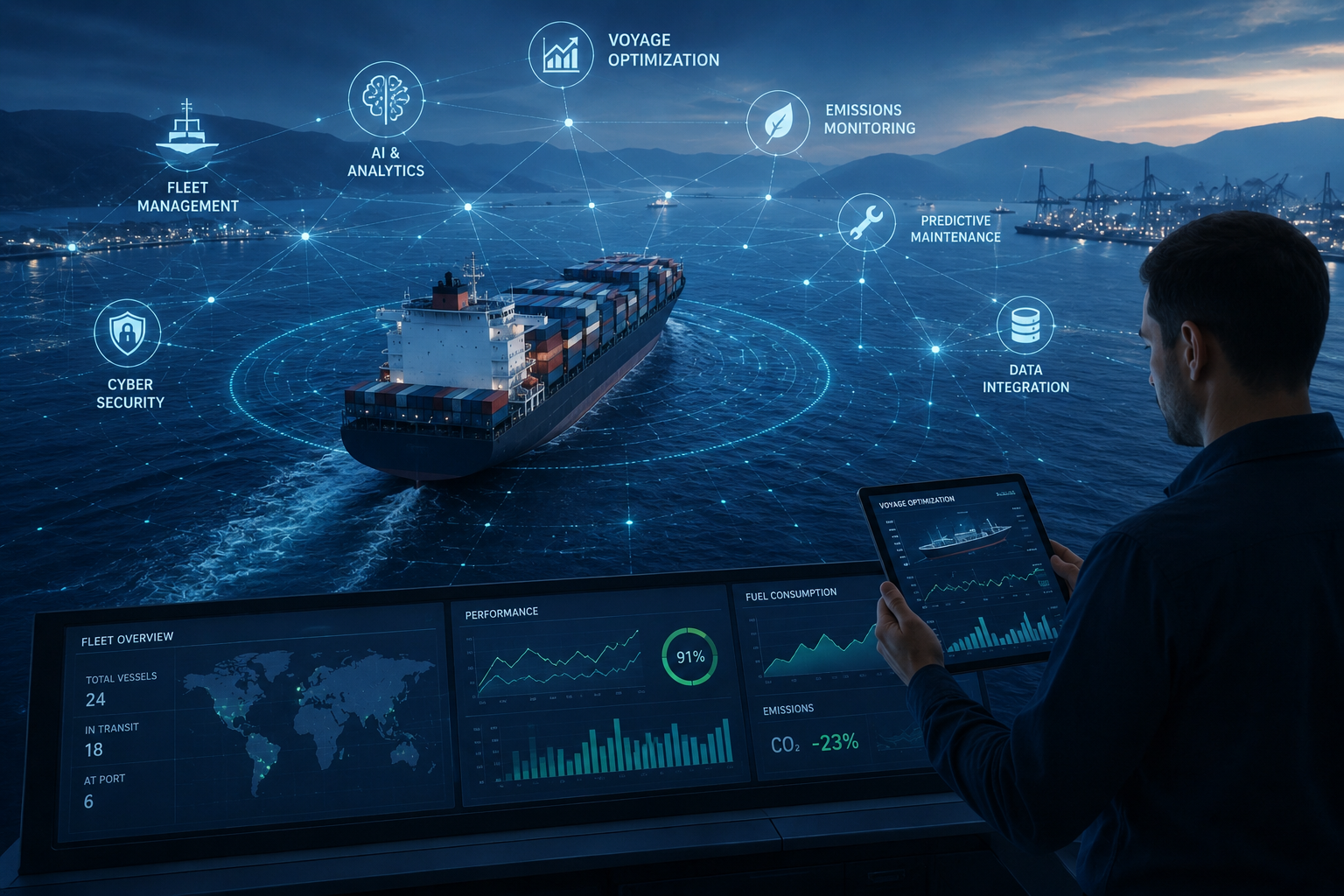
Today, the shipping sector utilizes a broad range of digital tools, including artificial intelligence systems to improve voyage efficiency, fleet management platforms, emissions monitoring solutions, and cybersecurity technologies. Despite the apparent advantages of a unified digital platform, industry participants view such an approach as highly risky.
The key concerns identified by respondents include:
- Dependence on a single provider;
- Reduced business flexibility;
- Limited market competition;
- Potential challenges in upgrading and modernizing individual processes.
Industry representatives note that no single technology company is currently capable of delivering best-in-class solutions across all segments of the maritime business.
As a result, most shipping companies prefer to build their own digital ecosystems by combining specialized products from different developers. This approach enables them to leverage the most effective solution for each specific task while adapting more quickly to changing market conditions.
According to industry experts, the real competitive advantage in the coming years will not lie in choosing a single technology provider, but in a company’s ability to effectively implement and integrate digital systems, maintain high-quality data, and transform information into actionable business insights. This issue is becoming increasingly important as artificial intelligence continues to evolve and operational efficiency requirements across global fleets continue to rise.
Read also: The Panama Canal and Global Shipping Could Come Under Pressure Due to El Niño