

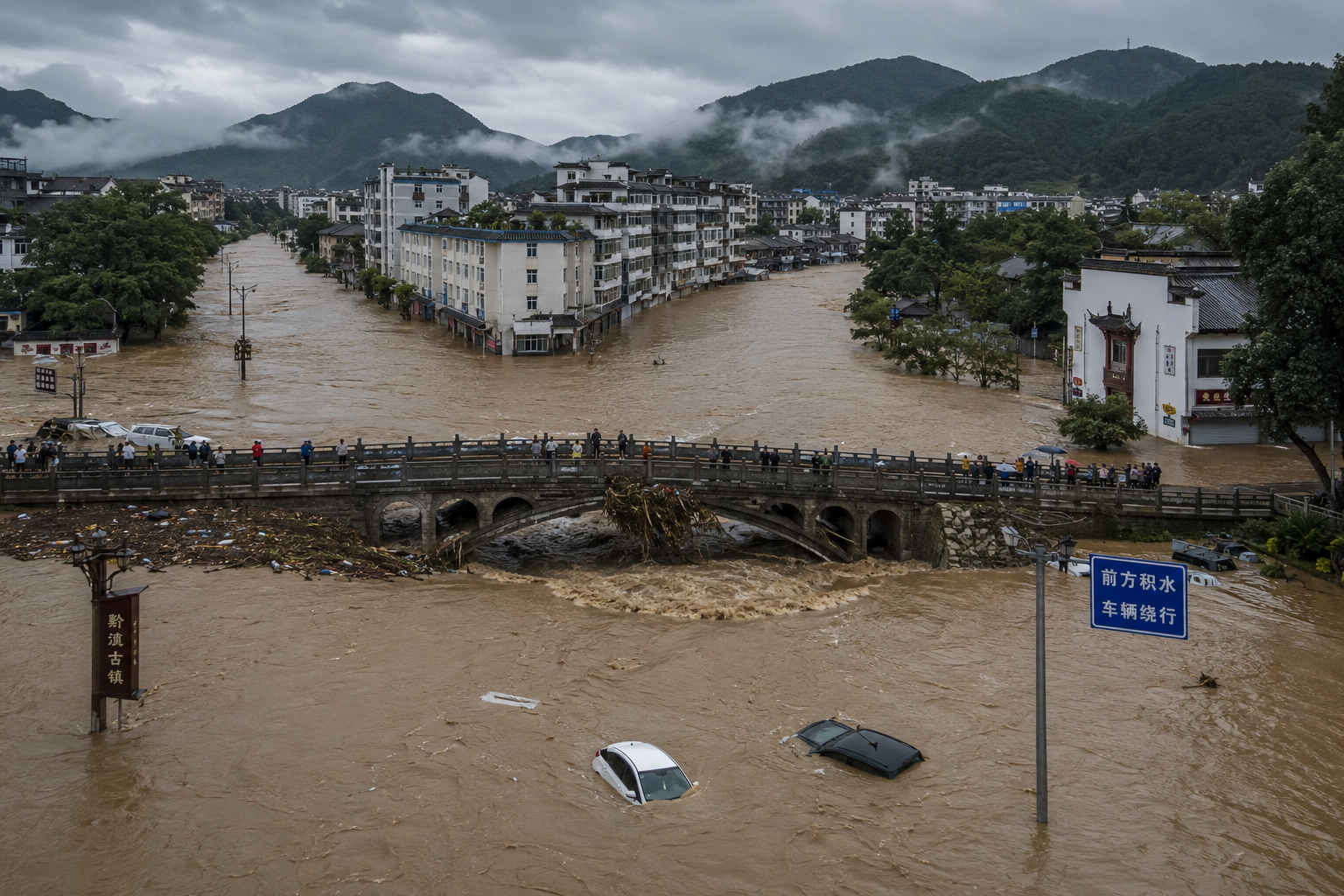
Typhoon Bavi, which has weakened to the level of a tropical cyclone, continues to cause widespread disruption across northern China. Torrential rainfall has triggered extensive flooding, submerged roads and bridges, disrupted transportation and forced local authorities to implement emergency safety measures.
One of the hardest-hit regions is Liaoning Province. In its capital, Shenyang, schools, kindergartens, construction sites and all outdoor activities were suspended for the day. In addition, 94 tourist attractions were closed, while several bus routes and metro stations were temporarily shut down due to flooding.
To deal with the aftermath of the disaster, authorities deployed more than 3,500 personnel from 12 government agencies. Residents were urged to stay indoors whenever possible and avoid non-essential travel.
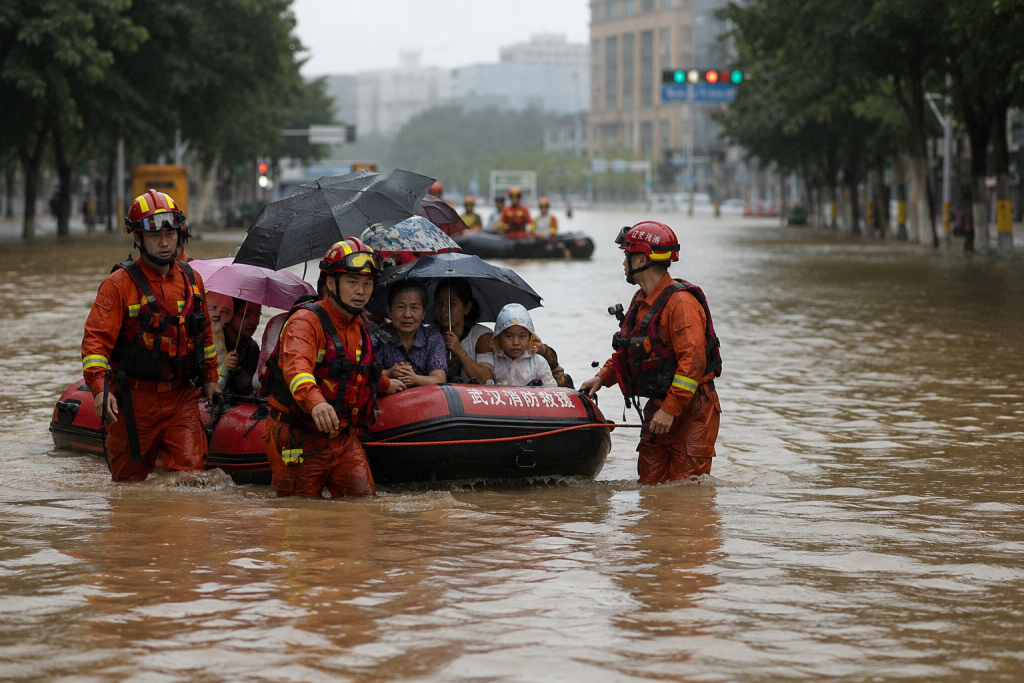
A serious situation has also unfolded in neighboring Hebei Province. In the city of Chengde, powerful floodwaters swept away vehicles, while roads in several rural communities were destroyed, leaving residents of multiple villages cut off from the outside world. Emergency responders continue delivering aid and restoring transport links.
The situation also remains critical in Anhui Province, where more than 61,000 people were evacuated in advance due to the threat of further flooding. At the same time, local authorities began controlled water releases from reservoirs to reduce the risk of larger-scale floods.
According to the China Meteorological Administration, the storm is continuing to move northward at a speed of approximately 10–15 km/h while gradually weakening. It is expected to enter the Yellow Sea on Tuesday.
However, meteorologists warn that the threat is far from over. According to China’s Ministry of Natural Resources, the country could face additional extreme weather events in the coming months. Experts forecast the development of a powerful El Niño event, which could intensify typhoons, raise ocean temperatures and contribute to even heavier rainfall and widespread flooding during the summer of 2027.
Typhoon Bavi has once again highlighted the vulnerability of both major cities and rural communities to extreme weather events. As climate change continues to intensify, China is facing increasingly frequent and destructive floods, prompting authorities to strengthen measures aimed at protecting residents and critical infrastructure.
Read also: More Than 1.7 Million Residents Evacuated After Typhoon Bavi Strikes China
