

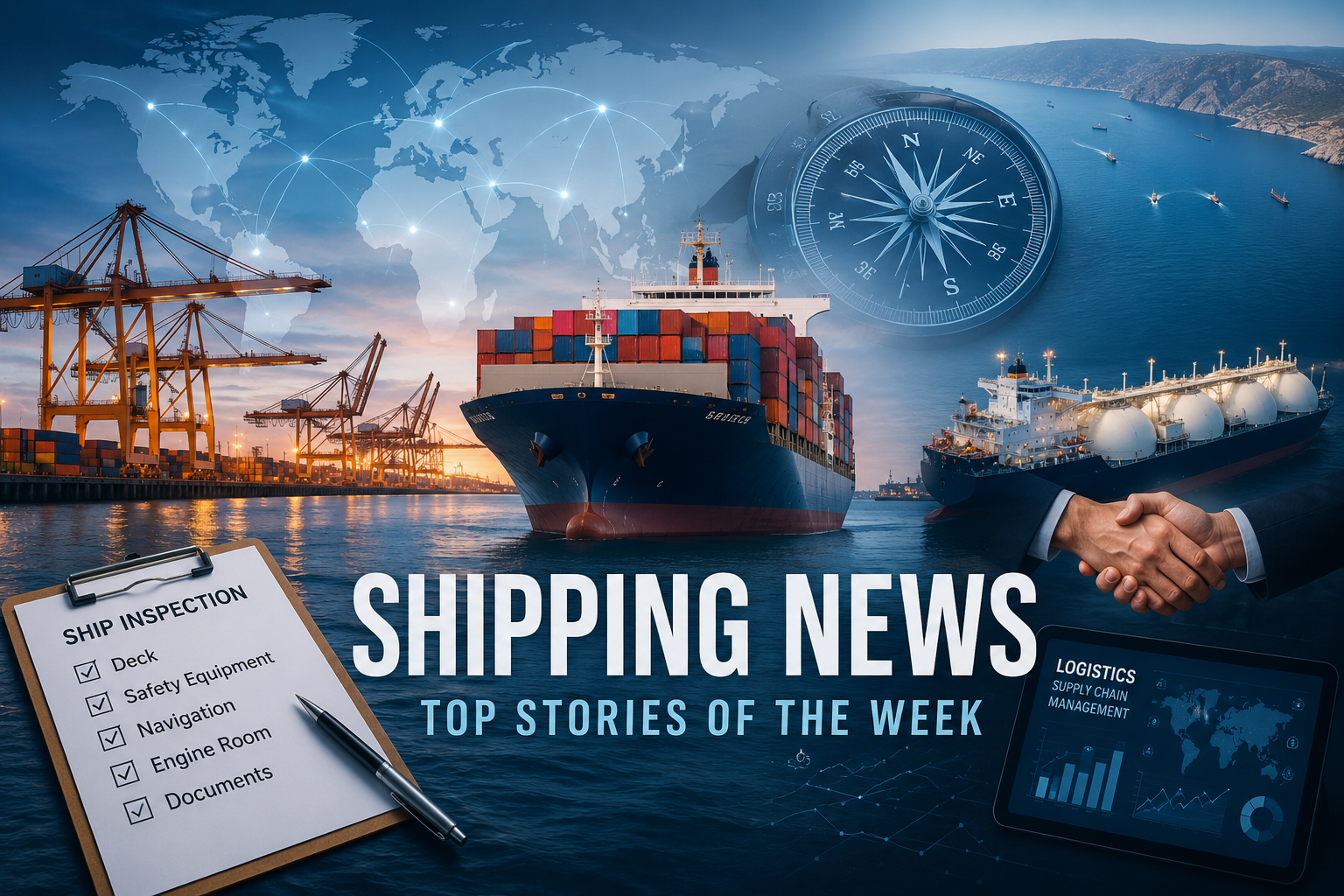
Commercial shipping through the Strait of Hormuz is gradually recovering after a period of heightened tensions. However, a full return to normal operations remains uncertain. Shipping companies continue to face challenges related to routing, transit approvals, and the security of vessel movements. The ongoing disagreement between Iran and the United States over authority and shipping governance in the region continues to add uncertainty.
One of the week’s most significant developments was AP Moller Holding’s decision to acquire Norwegian ship leasing company Ocean Yield. The company’s portfolio includes interests in more than 70 vessels, ranging from gas carriers and container ships to tankers and offshore vessels. The acquisition is expected to further strengthen AP Moller Holding’s position in the global maritime market.
Another major transaction was announced by French shipping and logistics group CMA CGM, which agreed to acquire FedEx Supply Chain for $1.4 billion. Upon completion of the deal, CEVA Logistics will significantly expand its presence in the North American contract logistics market.
Leadership changes were also announced at one of the world’s largest tanker operators. Hafnia confirmed that CEO Mikael Skov will step down on September 1, 2026. He will be succeeded by Søren Stenberg Jensen, currently Executive Vice President and Head of Asset Management.
In the energy sector, Italian energy company Eni and Swiss commodities trader Mercuria have agreed to establish a joint venture focused on the global trading of crude oil, natural gas, LNG, and biofuels. The new company will also manage logistics infrastructure and related energy assets.
At the same time, the maritime industry continues its digital transformation. Navguide Solutions has introduced Guide2Inspections, an application that enables crews to conduct self-audits and prepare for external inspections using offline checklists, photographic documentation, training videos, and practical guidance.
Recent developments demonstrate that global shipping remains firmly in the spotlight—not only because of geopolitical risks, but also due to major corporate transactions, executive leadership changes, and the rapid adoption of digital technologies that continue to shape the future of the maritime industry.
Also read: Demand for Chinese Air Conditioners Surges Across Europe Amid 40°C Heatwave