

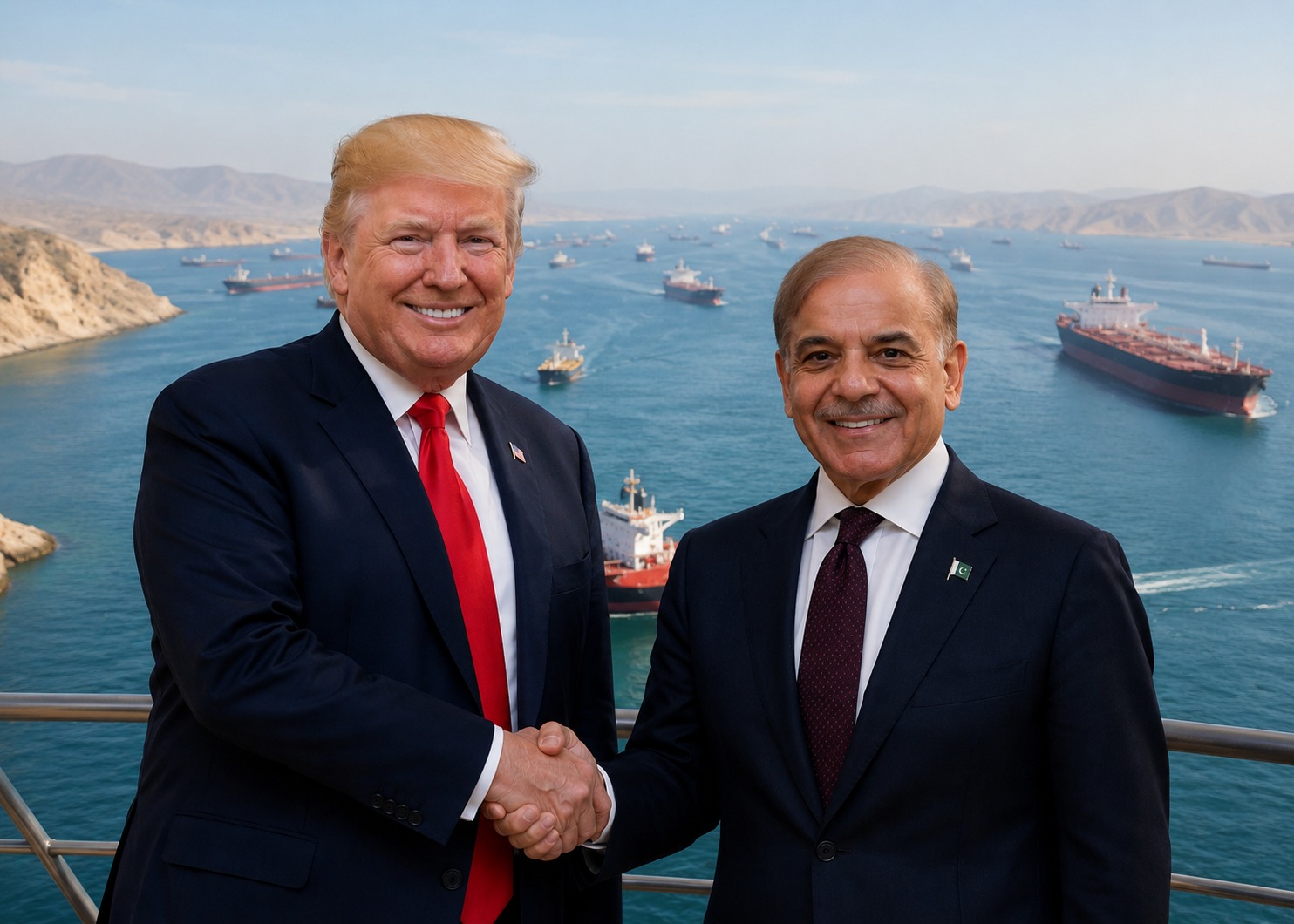
The global logistics market is showing signs of a possible de-escalation of one of the most significant geopolitical crises of recent years. Pakistani Prime Minister Shehbaz Sharif stated that the United States and Iran have reached a peace agreement that includes the cessation of military operations on multiple fronts and a reduction of tensions across the Middle East.
According to Sharif, the official signing ceremony is scheduled to take place in Switzerland on June 19. Iranian Foreign Ministry representatives later confirmed that the text of the agreement has been finalized and is ready for signing.
For the global logistics industry, one of the most important elements of the agreement could be the restoration of safe and stable navigation through the Strait of Hormuz — one of the world’s most critical maritime trade corridors. U.S. President Donald Trump stated that following the signing of the memorandum of understanding, the U.S. naval blockade of the strait would be lifted, allowing commercial shipping traffic to return to normal operations.
The Strait of Hormuz remains a vital artery of global trade. A significant share of the world’s exports of crude oil, refined petroleum products, liquefied natural gas (LNG), petrochemicals, and other strategic commodities passes through the waterway. Any disruption in the region has an immediate impact on freight costs, marine insurance premiums, fuel expenses, and global supply chains.
Over the past several months, shipowners, tanker operators, and container carriers have been forced to operate under heightened risk conditions. Security threats in the region have driven up insurance costs, triggered additional war-risk surcharges, increased crew protection expenses, and prompted some carriers to revise routing strategies.
If the agreement takes effect, the market could receive a long-awaited signal of stability. Shipping companies may be able to reduce insurance and security costs while scaling back contingency logistics plans that were developed in response to the risk of further escalation. This would be particularly significant for the tanker sector, which has been among the most vulnerable segments of the maritime industry throughout the crisis.
The positive impact could extend far beyond the Middle East. More stable operations in the Strait of Hormuz could ease pressure on global energy markets, improve supply reliability for Europe and Asia, and help reduce volatility in transportation rates.
Additional positive signals have emerged from reports highlighting Qatar’s role as a mediator. According to diplomatic sources, Qatari representatives conducted extensive negotiations in Tehran and continue preparations for the final phase of the diplomatic process in Doha.
However, market participants remain cautious. Iran has warned that recent Israeli strikes on targets in the suburbs of Beirut could complicate the implementation of the agreement. Israel stated that the operation was carried out in response to previous actions by Hezbollah and was aimed at the group’s infrastructure.
Despite ongoing risks, logistics providers, energy traders, and cargo owners are closely monitoring developments. If the agreement is successfully signed and implemented, the global market could receive one of the most significant positive signals of 2026.
Industry experts note that easing tensions around the Strait of Hormuz could not only stabilize maritime transportation but also accelerate the recovery of investment activity in the transportation sector, support international trade, and improve the outlook for global supply chains during the second half of the year.
What This Could Mean for the Logistics Industry
- Lower marine insurance premiums for vessels operating in the Persian Gulf.
- Reduction of war-risk surcharges on freight rates.
- Greater stability in the supply of crude oil, LNG, and petrochemical products.
- Improved predictability of international supply chains.
- Reduced operational risks for commercial vessel crews.
- Potential easing of pressure on global energy prices.
- Stronger investor confidence in the transportation and logistics sectors.
