

Restrictions Had Been in Place Since 2014
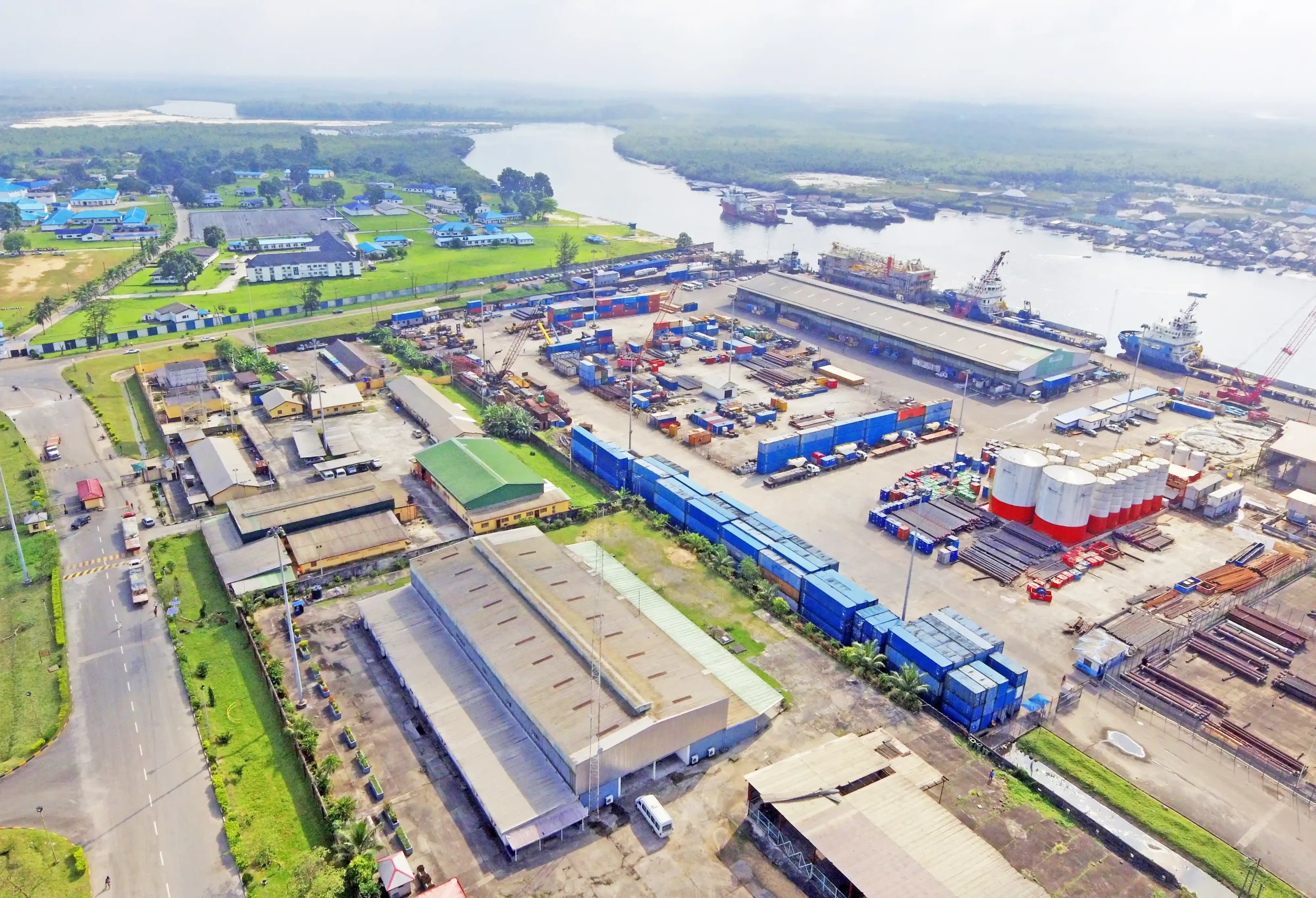
The United States has lifted special Conditions of Entry for vessels arriving after calling at designated Nigerian ports. The measures had been in force since June 25, 2014, Reuters reported.
The measure was not a blanket ban on Nigerian ships. It applied to vessels bound for the United States that had visited designated Nigerian terminals during one of their previous five port calls.
Before entering U.S. waters, affected vessels had to comply with additional security measures and undergo enhanced scrutiny. The U.S. Coast Guard introduced the regime after identifying deficiencies in port counterterrorism measures, access controls, cargo-handling procedures and national maritime security oversight.
Four U.S. Assessments Preceded the Decision
The U.S. Coast Guard conducted four comprehensive assessments of Nigeria’s maritime security framework and port facilities between March 2024 and April 2026.
Nigerian authorities said the inspections confirmed substantial progress in port protection and implementation of the International Ship and Port Facility Security Code.
The Nigerian Maritime Administration and Safety Agency had previously reported stronger enforcement at port facilities. In July 2025, NIMASA shut two Lagos terminals over ISPS Code violations, linking stricter oversight to efforts to have the U.S. restrictions removed.
“We are committed to sustaining this momentum and ensuring that Nigeria remains a safe, secure and competitive destination for international shipping,” Minister Adegboyega Oyetola said.
Nigeria Seeks More International Shipping Lines
Removing the Conditions of Entry should reduce costs associated with additional documentation, inspections and security procedures. Nigerian authorities expect faster vessel turnaround, more reliable schedules and lower freight and insurance expenses linked to entry delays.
The decision could make the country’s ports more attractive to global carriers. According to The Maritime Executive, Nigerian port cargo throughput reached 129.3 million tonnes in 2025, up 24.8% from the previous year.
Officials also expect the change to support bilateral trade. Two-way commerce between Nigeria and the United States was valued at approximately $15 billion in 2025, with crude oil remaining Nigeria’s largest export commodity.
The removal of the U.S. requirements does not guarantee an immediate influx of new carriers. Shipping-line decisions will also depend on port tariffs, cargo-handling performance, inland connections and the continued effectiveness of security measures. Nevertheless, eliminating a 12-year regulatory burden strengthens Nigeria’s competitive position in West African maritime trade.
Read also: MSC Controls More Than 21% of the Global Container Fleet