

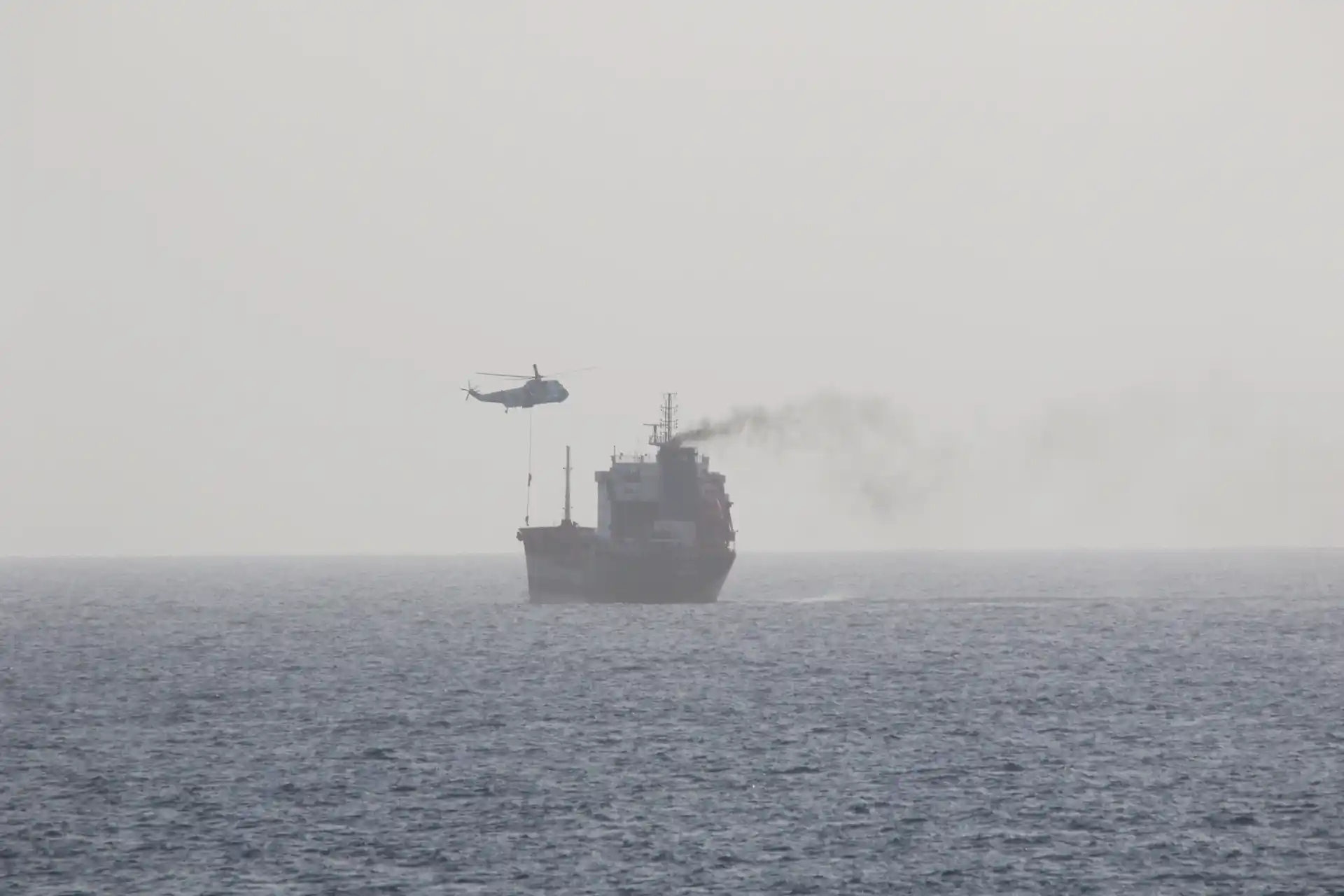
The restrictions also cover ship-to-ship transfers, leaving shipping companies caught between the risk of Iranian detention and exposure to US sanctions
Tehran Publishes Its First Non-Compliance List
Iran has published its first list of vessels it considers to have violated its rules for transiting the Strait of Hormuz. The blacklist covers 45 unique ships identified by name and IMO number.
The list was issued by the Persian Gulf Strait Authority, or PGSA, a newly established Iranian body that claims authority over traffic through one of the world’s most important maritime energy corridors.
The original publication contained 46 entries, but one vessel appeared twice under its current and former names. The actual number of unique ships is therefore 45.
Iran did not explain which particular rule each vessel allegedly violated, when the violations occurred or what evidence was used to compile the list.
Ships Face Fines and Detention
The PGSA warned that listed vessels could be fined or detained during future transits through the Strait of Hormuz. Iran also threatened to confiscate their cargoes.
These measures remain announced penalties rather than confirmed enforcement actions. At the time of writing, there were no public reports of a vessel being detained or cargo being confiscated specifically because of the new blacklist.
Shipowners may apply to Iran’s maritime authorities for removal from the list by submitting explanations and supporting documents. However, Iran has not disclosed its review criteria or how long the delisting process could take.
The absence of a transparent appeal process makes it difficult for owners, charterers and insurers to determine whether a vessel can be cleared before its next voyage through Hormuz.
Restrictions Extend to Ship-to-Ship Transfers
Iran’s decision to extend the restrictions beyond the original 45 ships could have the greatest impact on maritime operations.
The PGSA said vessels involved in ship-to-ship transfers, transshipment or other commercial activities with listed ships could also be designated non-compliant. This creates the possibility of the blacklist expanding through successive transactions.
The measure appears particularly relevant to shuttle operations used by oil producers in Saudi Arabia and the United Arab Emirates. Dedicated tankers carry crude oil and refined products through Hormuz before transferring their cargoes to larger ships in the Gulf of Oman, including near Fujairah and Sohar.
These arrangements have helped preserve part of the Gulf’s export flows during disruptions to regular Strait traffic. By targeting vessels that interact with blacklisted tonnage, Iran can increase risks across an entire logistics chain rather than only for the original ships. Industry analysts have warned that the measure could particularly affect Gulf product and crude-oil STS operations.
Major Gulf Shipping Groups Are Affected
The blacklist covers a broad range of vessels, including very large crude carriers, LNG and LPG carriers, product and chemical tankers, bulk carriers and at least one container ship.
Several vessels are linked to the UAE’s ADNOC Logistics & Services and its Navig8 Tankers subsidiary. Ships associated with the AD Ports group also appear on the list.
Saudi Arabia is represented by vessels linked to national carrier Bahri, while Qatari LNG carriers associated with Nakilat are also included. The list additionally covers ships operated or owned by South Korea’s Sinokor, Norway’s Klaveness Ship Management and Stolt Tankers.
The restrictions apply to individual vessels and their IMO numbers. They do not mean that Iran has formally blacklisted all operations of the companies associated with those ships.
Under the International Maritime Organization’s ship identification system, an IMO number remains permanently assigned to a vessel even if its name, flag, owner or management company changes. This makes it harder to avoid the restrictions through a simple renaming or reflagging operation.
Oil Buyers Are Already Changing Operations
Iran’s warning is influencing commercial decisions even before any fines or detentions have been reported.
At least three Indian refiners and one major international energy company have decided to avoid vessels on Iran’s list, including for ship-to-ship transfers.
Other buyers, shipping companies and charterers are still assessing the risks. One possible response is to purchase oil on a delivered basis instead of acquiring it free on board at an STS location in the Gulf of Oman. This leaves more of the transit and transportation risk with the seller.
Market participants may also replace vessels, move transfers to different locations or use alternative counterparties. The blacklist is therefore unlikely to stop all trade, but it could make Gulf logistics more expensive and complex.
Cargo owners will also have to examine the previous commercial activity of nominated vessels. A ship that is not currently on the blacklist could still face Iranian action after interacting with listed tonnage.
Iran Has Not Defined the Violations
The PGSA did not specify which rules the vessels had allegedly broken. Tehran has previously required shipowners to obtain Iranian clearance, provide voyage information and pay for security or other services before transiting the Strait.
The international legal status of these requirements remains disputed. Part III of the United Nations Convention on the Law of the Sea establishes a right of transit passage through straits used for international navigation and states that coastal authorities should not unjustifiably impede such traffic.
Iran signed UNCLOS in 1982 but has not ratified it. The dispute therefore involves both treaty provisions and customary international maritime law.
No independent international ruling has confirmed the legality of Iran’s new clearance and fee system. Tehran may argue that some payments cover specific security or maritime services, while its opponents could view mandatory transit charges as an attempt to impose a toll on international navigation.
Shipping Companies Face Conflicting Compliance Risks
Complying with Iran’s requirements may also create exposure to US sanctions. On May 27, 2026, the US Treasury Department designated the PGSA, alleging that it supported Iran’s Islamic Revolutionary Guard Corps.
US authorities have warned that payments to the Iranian system, the provision of certain vessel information and the use of associated insurance, financial or maritime services could create sanctions risks.
An August 2026 advisory from the US Office of Foreign Assets Control said sanctions exposure could arise not only from direct payments but also from providing services, guarantees or operational information to designated Iranian entities.
Shipowners are consequently facing two potentially conflicting compliance regimes. Refusing Tehran’s demands could expose a vessel or its cargo to detention, while making payments or cooperating with the PGSA could attract scrutiny from the United States.
This complicates operations for banks, insurers, charterers, ports and cargo owners. Compliance checks must now cover not only the companies involved but also vessel IMO numbers, transit histories and counterparties in previous cargo transfers.
Freight and Insurance Costs Could Increase
If Iran begins enforcing the announced penalties, the pool of shipowners willing to trade in the Gulf could shrink. Companies with vessels, crews, customers or other assets in the region are likely to be particularly cautious.
Additional due diligence, detention risks, AIS disruptions, route changes and the need to find alternative tonnage could increase freight rates and insurance premiums.
The Strait of Hormuz remains essential to global energy supplies. Before the conflict sharply disrupted traffic, the region handled approximately one-fifth of global crude-oil and liquefied natural gas flows.
Shipping traffic has begun to recover slightly, but the number of visible transits remains unstable. Some ships may also operate without transmitting their locations, meaning publicly available AIS data do not provide a complete picture.
As K2Cargo.News noted in its wider analysis of the Middle East conflict, disruption around Hormuz can quickly affect maritime insurance, vessel availability, energy prices and supply chains far beyond the Gulf.
Expansion of the Blacklist Is the Main Risk
The first list of 45 ships may be only the beginning. Iran’s threat to designate vessels for conducting commercial operations with already listed ships could spread the restrictions to additional carriers, buyers and cargo owners.
The practical impact will depend on whether Iran follows through with detentions or cargo confiscations, and how flag states, insurers and naval forces operating in the region respond.
Even without actual seizures, publication of the blacklist has already changed commercial risk assessments. Access to the Strait of Hormuz is becoming a separate consideration when companies select vessels, negotiate delivery terms and choose locations for cargo transfers.
Read also: Russia and China May Get Preferential Passage Through Hormuz as Iran Prepares Special Conditions