

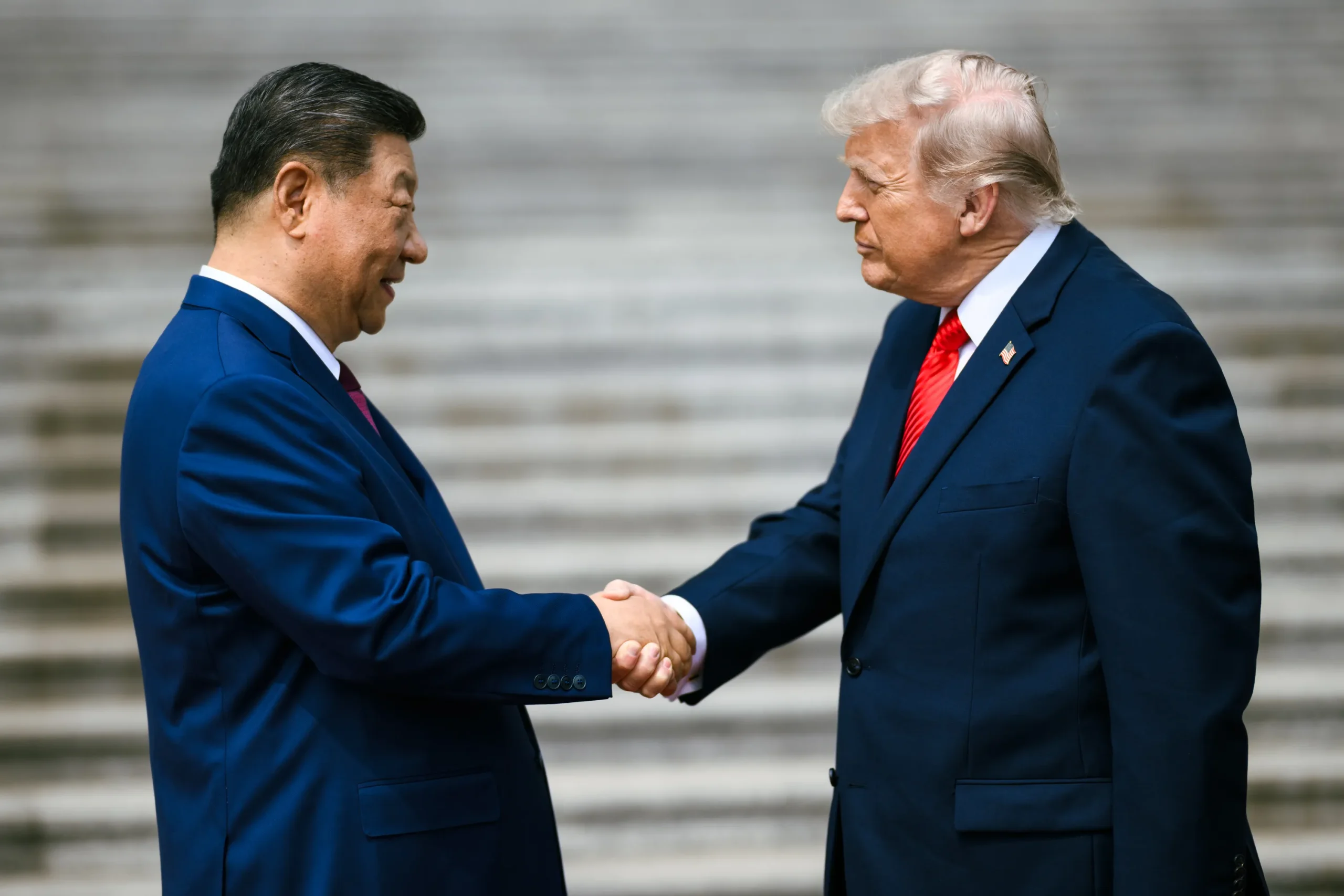
The proposed measure remains under discussion, with its final rate, product coverage and effective date yet to be officially approved
Washington Is Considering an Additional Tariff
The Trump administration is considering an additional tariff on Chinese goods over allegations that Beijing has created excessive manufacturing capacity. According to people familiar with the discussions, the effective rate could be set at 7.5%.
A decision could be announced before a planned September 24 meeting between President Donald Trump and Chinese President Xi Jinping. No official tariff notice has been published, however, and both the trade measure and the reported summit schedule remain subject to change.
One option under consideration would announce a higher headline tariff while immediately suspending part of it, leaving an effective rate of 7.5%.
This structure would allow Washington to restore the full duty relatively quickly if negotiations with Beijing fail to produce the expected outcome.
Section 301 Investigation Could Provide the Legal Basis
The measure could emerge from a Section 301 investigation launched by the Office of the United States Trade Representative in March 2026.
The official USTR investigation covers China and 15 other economies suspected by Washington of maintaining structural excess capacity and production in manufacturing sectors.
U.S. officials argue that government support and production exceeding domestic demand allow foreign manufacturers to sell goods at artificially low prices. Washington says this can displace U.S. production and discourage investment in American manufacturing.
Beijing rejects the overcapacity allegation, presenting the competitiveness of Chinese exports as the result of efficient supply chains, technological development and economies of scale.
The potential tariff’s product scope has not been released. It is therefore unclear whether it would apply broadly to Chinese imports or focus on selected industrial categories.
U.S. concerns have frequently centered on automobiles, batteries, steel, solar products, industrial machinery and other sectors in which Chinese companies have developed substantial production capacity.
The Effective Burden Will Depend on Product Classification
A new 7.5% tariff would not necessarily represent the total duty paid on every Chinese shipment. It could be added to normal customs duties, existing Section 301 tariffs and sector-specific trade measures.
The final cost for an importer would depend on:
- the product’s Harmonized Tariff Schedule classification;
- its legally determined country of origin;
- existing additional duties;
- possible exemptions or transition arrangements;
- the date on which the goods enter U.S. customs territory.
The proposed measure could bring the combined level of China-specific tariffs imposed during Trump’s second term back to roughly 20%, according to people familiar with the deliberations. The actual rate on individual products could nevertheless be considerably higher.
Importers May Need to Reprice Shipments
Even a comparatively moderate additional tariff could materially affect large shipments of electronics, equipment, components and consumer goods.
A 7.5% duty would add $75,000 to the customs cost of a shipment valued at $1 million, provided no exemption applies.
U.S. importers may need to review supplier agreements, Incoterms and clauses allocating responsibility for newly imposed customs charges. The implementation date and treatment of cargo already in transit will be particularly important.
Some businesses could accelerate orders and shipments ahead of a potential effective date. Such front-loading could temporarily increase demand for container capacity and terminal handling on China–U.S. routes.
As K2Cargo.News previously explained in its report on the restoration of sweeping U.S. import tariffs, tariff decisions affect not only customs costs but also freight rates, purchasing contracts, supply routes and manufacturing-location choices.
Routing goods through another country would not automatically change their origin. Minor processing, relabeling or repackaging may still leave the products subject to Chinese-origin tariffs and could trigger additional customs scrutiny.
Tariff Design Leaves Room for Negotiation
A relatively limited effective rate may indicate that Washington wants additional leverage without immediately undermining the current trade truce ahead of a Trump–Xi meeting.
Announcing a higher rate while suspending part of it would preserve flexibility. The suspended portion could remain inactive if negotiations progress, while the administration could restore it if relations deteriorate.
For importers and logistics providers, the key unresolved questions are product coverage, implementation timing and transitional rules for cargo already moving toward the United States.
Until an official notice is published, companies should prepare several landed-cost scenarios and avoid treating the 7.5% rate as final.
Read also: Tariffs Failed to Stop Chinese EVs: Manufacturers Find a New Niche in the U.S.