

MSC Expands Its Presence in the Black Sea Region
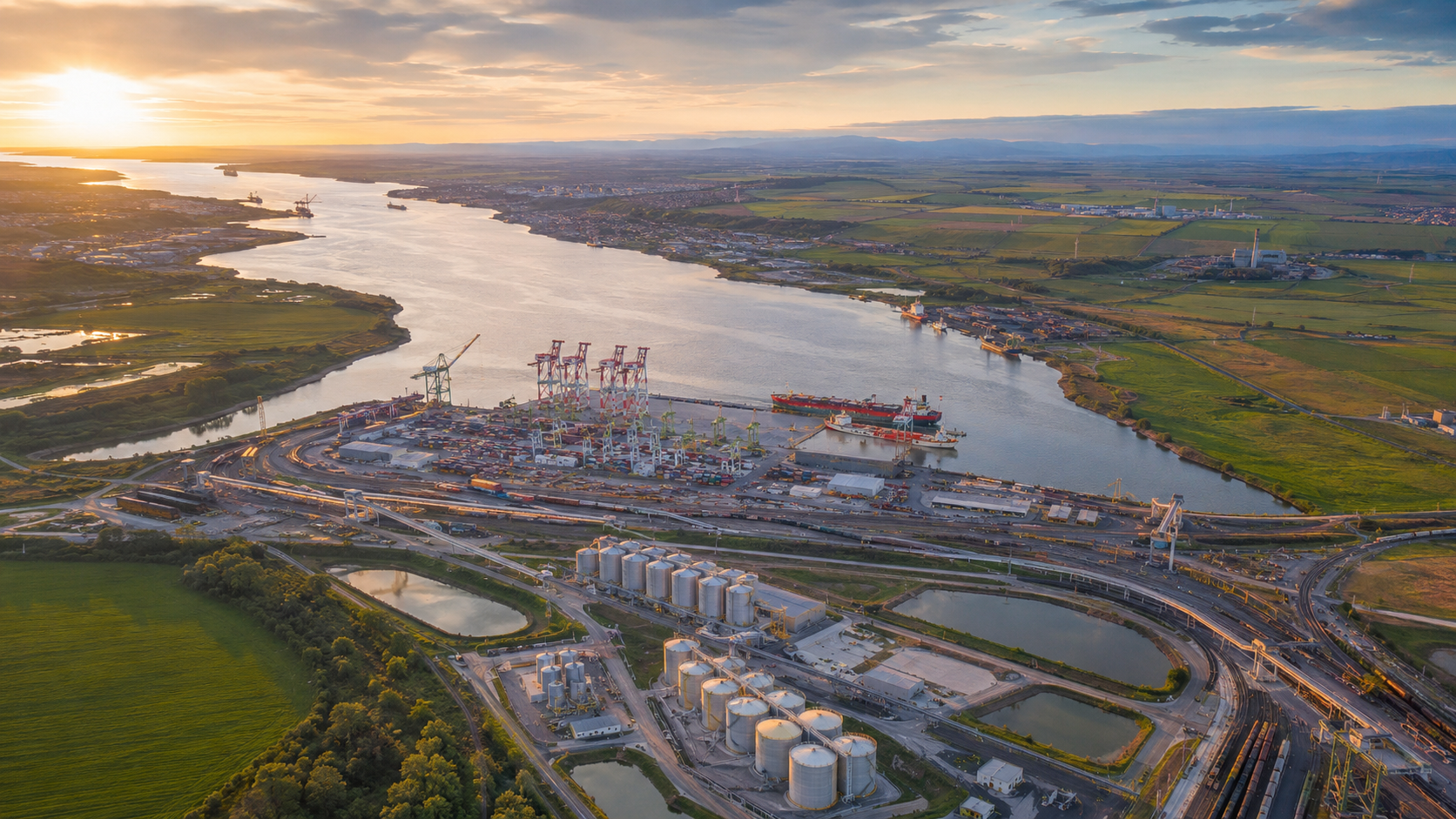
Mediterranean Shipping Company (MSC) has acquired a controlling interest in the TIS Container Terminal located at the Port of Pivdennyi, near Odesa. The terminal was previously part of DP World’s portfolio and provides a broad range of cargo handling services, including containerized cargo, grain, bulk commodities, and project cargo.
The Port of Pivdennyi is one of the deepest seaports in the Black Sea basin, capable of accommodating large ocean-going vessels. Its strategic location makes it an important gateway for international trade and a key asset for the development of future container shipping routes.
Industry analysts believe that MSC’s involvement could significantly enhance the competitiveness of Ukrainian maritime terminals once security conditions improve and full export-import operations are restored.
Who Is MSC?
Mediterranean Shipping Company is currently the largest container shipping company in the world. Founded in 1970, MSC has grown into a global logistics powerhouse operating the world’s largest container vessel fleet.
As of 2026, MSC operates more than 900 container ships with a combined capacity exceeding 6.5 million TEU. The company serves over 500 ports worldwide and maintains regular services connecting Europe, Asia, North and South America, Africa, the Middle East, and Oceania.
Beyond ocean shipping, MSC has become a major player in port infrastructure through its terminal investment arm, Terminal Investment Limited (TiL), which owns stakes in numerous container terminals across the globe.
Global Terminal Network and Logistics Assets
Over the past decade, MSC has significantly expanded its presence in port infrastructure and logistics assets.
The company holds interests in container terminals across Italy, Spain, Belgium, the Netherlands, Germany, France, Greece, Poland, Singapore, South Korea, China, the United States, Canada, Brazil, Mexico, India, the United Arab Emirates, and several African countries.
Particularly important for European supply chains are MSC-linked terminals in Rotterdam, Antwerp, Valencia, Genoa, Gioia Tauro, Hamburg, and Gdańsk. These facilities play a critical role in handling cargo flows between Europe and global markets.
In recent years, MSC has increasingly focused on controlling larger segments of the supply chain, investing not only in shipping services but also in terminals, inland logistics, rail transportation, warehousing, and intermodal operations.
What Cargo Does MSC Transport?
Container shipping remains MSC’s core business. The company transports a wide variety of goods across global trade routes, including:
- Consumer products
- Electronics
- Industrial machinery
- Automotive components
- Chemical products
- Textiles
- Food and beverages
- Pharmaceutical goods
- Agricultural commodities
MSC is also one of the world’s leading operators in refrigerated logistics. The company manages extensive reefer container fleets used for transporting fruits, vegetables, seafood, meat, dairy products, and other temperature-sensitive cargo.
In addition, MSC continues to expand its project cargo and oversized freight operations, supporting industries such as energy, construction, mining, and heavy manufacturing.
Opportunities for the TIS Terminal Following the Acquisition
The TIS Container Terminal possesses modern infrastructure designed to handle multiple cargo categories efficiently.
The facility includes container storage yards, rail connections, truck access routes, cargo handling equipment, warehousing facilities, and multimodal logistics capabilities.
Following MSC’s acquisition, industry observers expect increased container throughput, integration into MSC’s global shipping network, and the attraction of additional international cargo flows.
One of the most important advantages could be the inclusion of the Ukrainian terminal in MSC’s regular services linking the Black Sea with the Mediterranean and major global transshipment hubs.
Such integration could significantly improve connectivity for Ukrainian exporters and importers while strengthening the country’s role in regional logistics networks.
What the Deal Means for Ukraine
MSC’s arrival as a strategic shareholder of the TIS terminal may become an important milestone in restoring Ukraine’s position within global container shipping.
Before the full-scale war, Ukrainian seaports handled hundreds of thousands of containers annually and served as a key gateway connecting European, Asian, and Middle Eastern trade routes.
The participation of the world’s largest container carrier could accelerate terminal modernization, improve operational efficiency, attract additional international investment, and support future growth in container volumes once regional conditions stabilize.
For international logistics, the transaction is equally significant. MSC gains an additional strategic foothold in the Black Sea region, while Ukraine receives an opportunity to become more deeply integrated into the global logistics ecosystem of one of the most influential companies in the container shipping industry.
Amid the ongoing transformation of global supply chains, MSC’s investment in the TIS terminal demonstrates the long-term confidence of major international logistics operators in Ukraine’s transport sector and its future growth potential.
Read also: Expert Opinion: Why Kazakhstan and Georgia Are Becoming Key Hubs of Eurasia’s New Logistics Network