

Rosatom Receives Authority to Sign the Memorandum
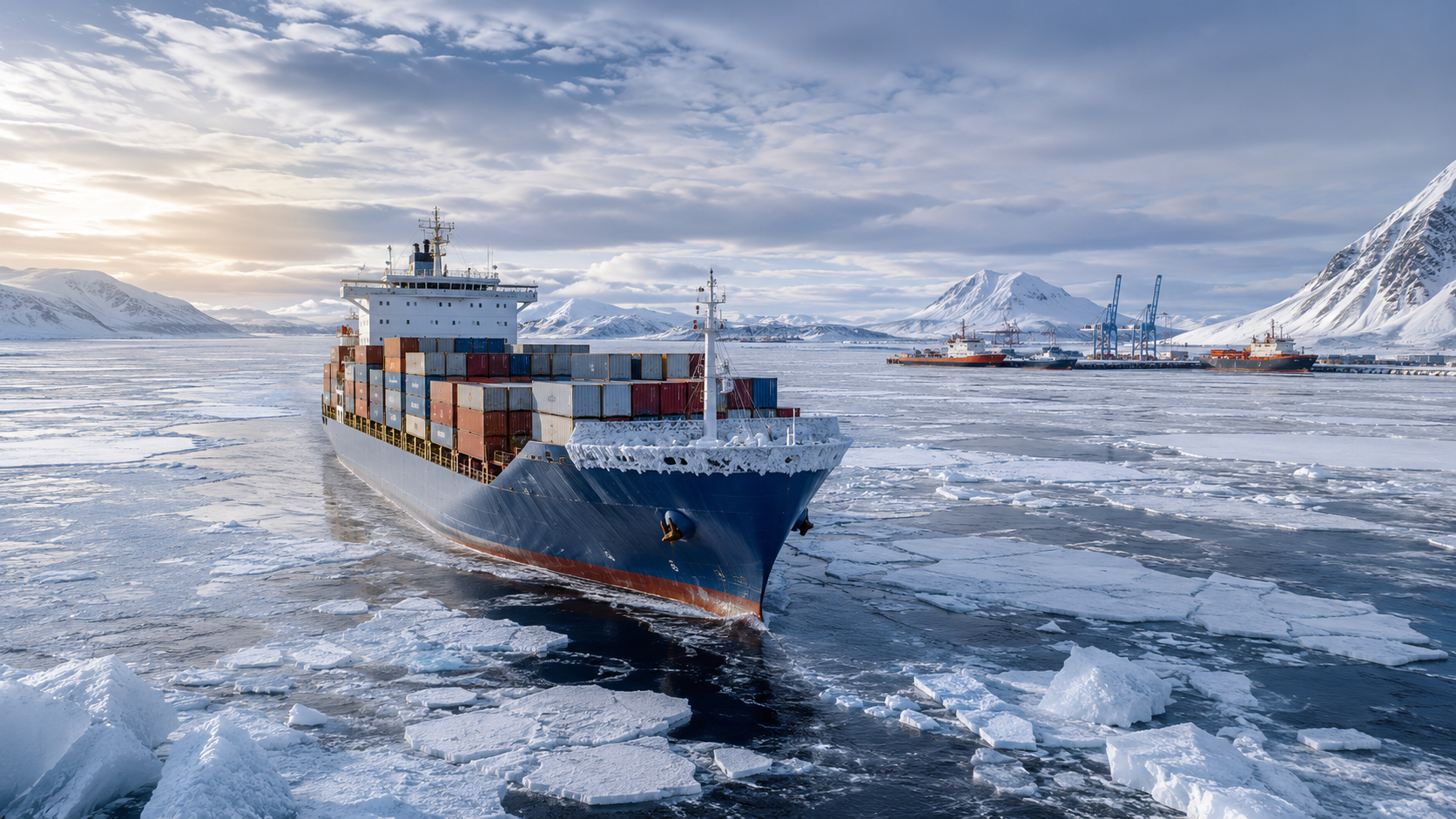
The Russian government has approved a proposal to sign a memorandum of understanding with India on cooperation in maritime cargo transportation along the Northern Sea Route.
The initiative was prepared by Rosatom, coordinated with the Russian Foreign Ministry and other federal authorities, and discussed in advance with the Indian side. Under the government order, Rosatom is authorised to sign the document on behalf of Russia.
The decision does not mean that the memorandum has already been signed or that regular commercial services will begin immediately. Its practical significance will depend on the provisions agreed by the two governments and the projects developed after signing.
Cooperation Has Been Developing for Several Years
Russia and India have been discussing the Northern Sea Route as a possible area of maritime cooperation for several years. Earlier negotiations covered the use of Arctic shipping routes, the Chennai–Vladivostok maritime corridor and the training of Indian seafarers for operations in polar waters.
In 2024, the two countries also expressed readiness to create a joint working body focused on cooperation along the Northern Sea Route. The new memorandum could provide a more formal basis for coordinating carriers, ports, cargo owners, regulators and infrastructure operators.
For India, the Arctic direction could become an additional option within a wider strategy of diversifying transport links with Russia. The countries are simultaneously developing other routes, including the International North–South Transport Corridor through Iran.
K2Cargo News recently reported that Kazakhstan plans to build a logistics terminal in Iran, strengthening infrastructure on the same North–South axis connecting Eurasian markets with India.
The Memorandum Does Not Yet Create a Regular Service
The planned agreement is an institutional step rather than the launch of a finished logistics product. The parties have not yet announced specific cargo volumes, ports, shipping schedules, tariffs or participating companies.
Commercial use of the Northern Sea Route requires vessels suitable for Arctic conditions, icebreaker assistance, reliable navigation services and predictable port operations. Insurance, sanctions compliance, weather conditions and the availability of return cargo will also affect the economics of each shipment.
The route may be attractive for particular cargoes and seasonal operations, but its competitiveness must be assessed individually. Distance alone does not determine the final cost: ice-class requirements, escort fees and limited infrastructure can offset part of the geographical advantage.
India Could Gain Another Eurasian Transport Option
The Northern Sea Route is unlikely to replace established routes through the Suez Canal or the North–South Corridor in the near term. Its main value may lie in giving shippers another option when conventional supply chains face congestion, geopolitical disruption or capacity constraints.
For Russia, cooperation with India could help expand the international cargo base of the Arctic corridor. For India, it could improve access to Russian resources, northern ports and markets connected to the Russian transport network.
The next important stage will be the signing of the memorandum and publication of its operational priorities. The commercial impact will become clearer only when the parties identify cargo owners, ports, vessels and economically viable shipping models.