

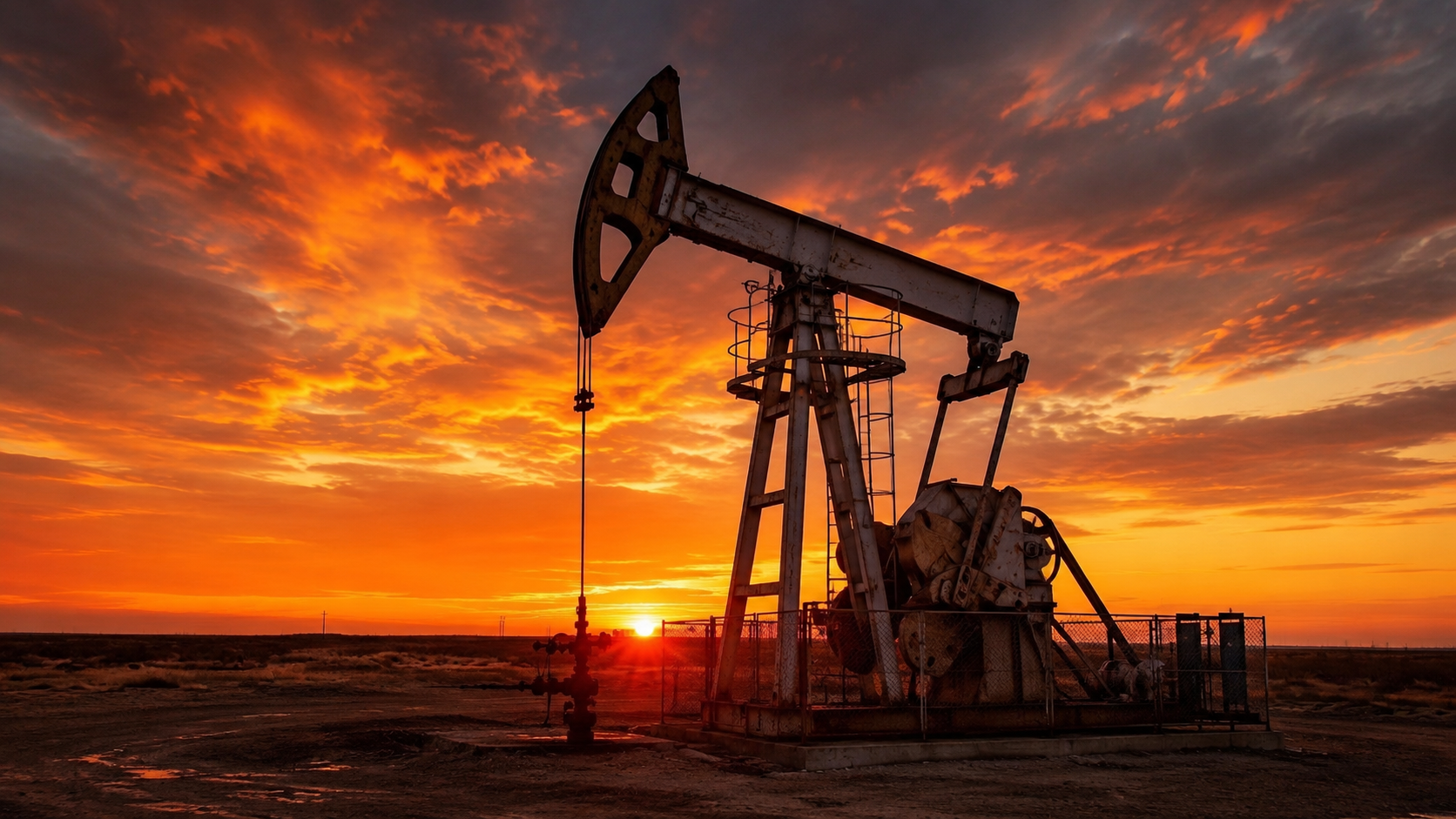
Oil Production Exceeds 10,000 Tonnes
Tajikistan produced approximately 10,010 tonnes of crude oil between January and June 2026. Output increased by about 800 tonnes, or 9.3%, compared with the same period of 2025.
Domestic refineries processed around 6,800 tonnes of crude, an increase of almost 400 tonnes or 6.9% year on year. The figures indicate that both extraction and processing are growing, although the absolute volumes remain small compared with national fuel demand.
Higher production gives local companies additional feedstock and slightly reduces dependence on external supplies. However, the current scale is not sufficient to change the overall structure of Tajikistan’s fuel market.
Fuel Imports Approach 600,000 Tonnes
Tajikistan imported almost 600,000 tonnes of petroleum products during the first six months of 2026, approximately 36,000 tonnes more than a year earlier.
Russia supplied 91.1% of the total. Belarus accounted for 2.8%, Turkmenistan for 1.9%, Kazakhstan for 1%, while Uzbekistan and Kyrgyzstan each provided 0.9%. Other countries together represented around 1.5% of imports.
On a simple tonnage basis, imported petroleum products exceeded domestic crude production by almost 60 times. The comparison is not direct because crude oil and refined products are different categories, but it clearly illustrates the gap between local production capacity and market consumption.
Dependence on Russia Creates Supply Risks
Russia’s dominant position provides Tajikistan with an established supply channel, but it also creates concentration risk. Disruptions at Russian refineries, export restrictions or railway delays can quickly affect fuel availability and prices in Central Asia.
In July, market participants reported that Russian fuel shortages were already affecting regional deliveries. Tajikistan said it had fuel reserves for approximately 60 days and was discussing additional supply guarantees with neighbouring countries. Russian exports under intergovernmental agreements remain exempt from the broader restrictions, but the market is still exposed to production and logistics disruptions.
K2Cargo News previously examined how the fuel crisis is increasing road freight costs in Russia. The same pressure can spread to Tajikistan through higher procurement prices, longer railway delivery times and reduced availability of fuel for transport operators.
Logistics Remains Central to Energy Security
As a landlocked country, Tajikistan depends heavily on railway and road corridors passing through neighbouring states. Fuel security therefore depends not only on contracts with suppliers but also on rail capacity, border procedures, storage terminals and sufficient strategic reserves.
Larger domestic storage capacity could help importers create buffer stocks during periods of stable supply. Diversifying purchases among Russia, Kazakhstan, Turkmenistan and other regional producers could also reduce the consequences of disruptions on a single route.
This challenge is connected with Tajikistan’s wider ambition to become a more important transport centre. K2Cargo News has reported that Tajikistan is strengthening its role as a Central Asian logistics hub through the development of international corridors and cross-border infrastructure.
The increase in local oil production is positive for the industry, but it does not yet alter the country’s fundamental dependence on imported fuel. For Tajikistan, the main priority remains a combination of domestic investment, diversified suppliers and more resilient transport and storage infrastructure.
Read also: Fuel Crisis Drives Up Road Freight Costs in Russia