

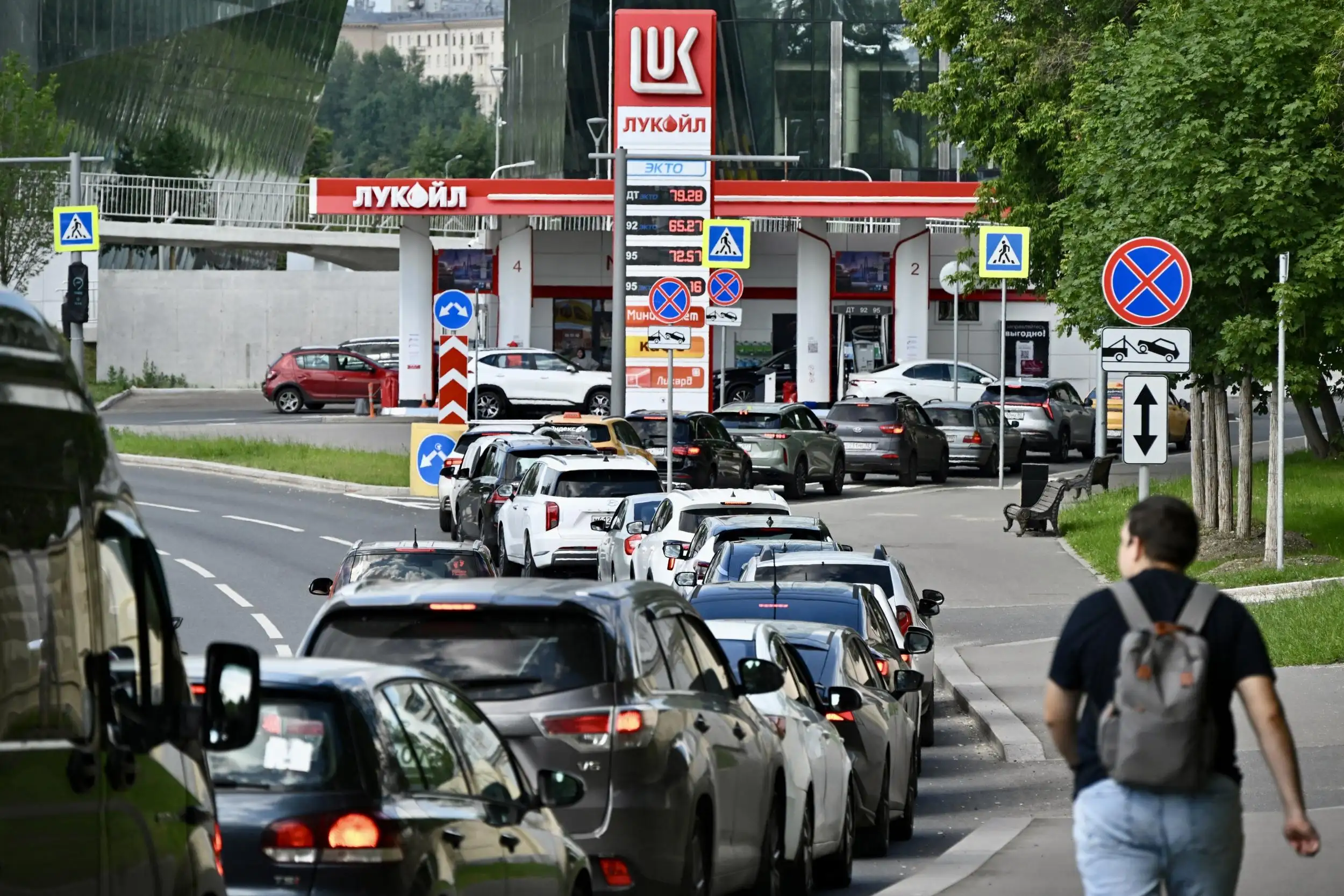
The restriction is intended to preserve domestic fuel supplies but may reduce international availability and raise costs for importers and freight operators
The Russian government has extended its ban on exports of diesel, marine fuel and gas oils by direct producers through September 30, 2026.
The restrictions on Russian refineries had previously been scheduled to expire on August 31. The government said the extension was necessary to maintain stability in the domestic fuel market.
According to Reuters, the measure forms part of a broader package of controls. Diesel exports by non-producers and motor gasoline shipments are restricted until January 31, 2027, while jet fuel exports are prohibited through the end of November 2026.
“The decision was taken to maintain stability in the domestic fuel market,” the Russian government said
The original diesel export restriction was introduced for the period from July 8 to July 31. It was subsequently extended for direct producers through the end of August and has now been prolonged for another month.
The repeated extensions indicate that the domestic market has not yet returned to stable operating conditions. Russian oil companies will have to direct additional volumes to domestic storage facilities, filling stations, industrial consumers, agricultural businesses and transport operators.
An export ban does not, however, guarantee equal availability across Russia’s regions. Moving fuel from refineries to consumers requires rail tank cars, storage depots, road tankers and adequate terminal capacity. When production falls or distribution infrastructure becomes constrained, export restrictions can only partially offset shortages.
The current crisis cannot be separated from Russia’s full-scale war against Ukraine. In Resolution ES-11/1, the United Nations General Assembly described Russia’s actions as aggression against Ukraine and demanded an end to the invasion.
Ukrainian strikes on Russian refineries are part of Ukraine’s response to that war and are intended, among other objectives, to reduce the revenue and fuel resources supporting Russia’s military operations. Several major refineries were forced to suspend or reduce production following drone attacks in August.
Russia therefore bears responsibility for creating the conditions behind its current fuel problems. By launching the war, the Russian leadership exposed the country’s energy infrastructure to retaliatory attacks, sanctions, technological restrictions and disruptions to established export relationships.
This does not remove the need to assess separately the effects of refinery attacks on civilians and international energy markets. It does mean that describing the shortage solely as the result of external events would be incomplete: the central political and economic conditions were created by Russia’s own decisions.
By late August, Russian gasoline production had fallen to around 70% of domestic demand, according to industry sources cited by Reuters. Emergency shutdowns affected major facilities in Perm, Nizhny Novgorod and Yaroslavl.
Although these figures refer specifically to gasoline, damage and shutdowns at refineries also affect diesel, jet fuel, marine fuel and other petroleum products. A modern refinery operates as an interconnected system, meaning the loss of individual processing units can change output across several fuel categories.
Repairs are also complicated by restricted access to certain foreign equipment and components. These restrictions are linked to sanctions imposed following Russia’s invasion of Ukraine.
Russia remains one of the world’s largest diesel exporters. Even a temporary reduction in shipments can affect markets that continued purchasing Russian petroleum products after the European Union and the United Kingdom sharply reduced direct imports.
Buyers may need to obtain more fuel from India, the Middle East, the United States and other refining centres. Replacing Russian volumes can increase transport distances, marine freight costs and demand for intermediate storage.
The impact may be most visible in markets where Russian diesel previously represented a significant share of imports. If the ban continues beyond September, buyers will have to negotiate new contracts and restructure supply routes for a longer period.
The final price effect will not depend on Russia alone. Refinery utilisation in other countries, crude oil prices, fuel inventories, seasonal demand and conditions along major shipping routes will also influence the market.
Diesel is one of the largest operating expenses in road freight. The export ban may support domestic availability in Russia, but it does not guarantee lower retail prices or an end to regional supply disruptions.
Queues at filling stations and fuel purchase limits increase vehicle downtime, reduce daily truck mileage and make delivery schedules less reliable. Carriers must incorporate these risks into their rates and select routes with more predictable refuelling options.
The effect outside Russia may be the opposite. As more fuel remains in the domestic market, international buyers must compete for alternative supplies. This could support wholesale diesel prices and increase road freight costs in importing countries.
The restriction is currently scheduled to expire on September 30, but it has already been extended several times. Its removal will depend on refinery recovery, domestic inventories and the ability of suppliers to deliver fuel across Russia’s regions.
If production does not stabilise, the government may extend the restrictions again. Such a decision would increase uncertainty for exporters, traders, port terminals and international buyers.
The ban can temporarily protect domestic supply by reducing exports, but it does not resolve the underlying causes of the crisis. As long as Russia’s war against Ukraine continues and refineries remain exposed to further disruption, the country’s fuel market will remain vulnerable.
Read also: K2Cargo.News previously reported how the fuel crisis is increasing road freight costs in Russia