

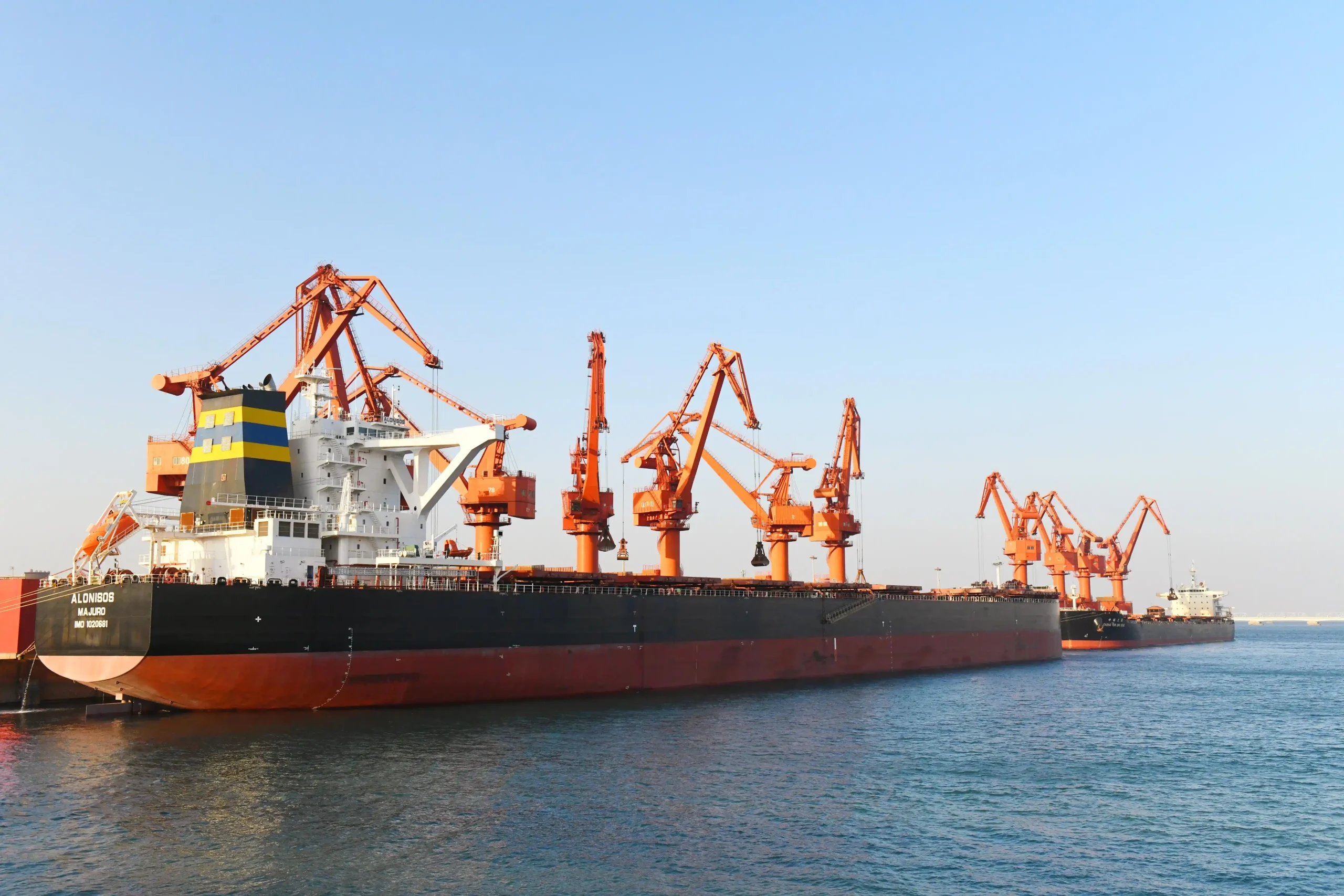
Buyers Maintain Demand for Secondhand Tonnage
The secondhand commercial vessel market remains active in 2026, even as the Strait of Hormuz crisis disrupts established trade routes and raises shipping costs. Shipowners face more expensive bunkers, higher war-risk insurance premiums and longer voyages, but demand for available tonnage remains resilient.
According to Veson Nautical’s analysis of leading bulker and tanker buyers, based on VesselsValue data, companies continue to invest in vessels as they take a longer-term view of freight demand and fleet availability.
An ageing global fleet is also supporting asset values. Many companies are renewing tonnage without waiting for geopolitical conditions to stabilize because ordering and delivering a new vessel can take several years.
Capital Axis and ICBC Lead Bulker Investment
Capital Axis Maritime and JIC Leasing jointly lead the market by the number of bulk carriers acquired, with eight vessels purchased by each company.
Capital Axis Maritime ranks first by expenditure after investing $596 million. ICBC Financial Leasing is second, spending $504.27 million on seven bulk carriers.
Maran Dry Management committed $442.8 million to six vessels, while CMB Financial Leasing acquired the same number for $375.77 million. Bank of Communications Financial Leasing spent $254.24 million on four bulkers.
ICBC uses several fleet-financing models. According to the bank’s official description of its shipping leasing services, it can purchase secondhand vessels or acquire ships before leasing them back to operators. Some recorded transactions therefore represent sale-and-leaseback financing rather than a conventional change of operational control.
Sinokor Dominates Tanker Acquisitions
South Korea’s Sinokor is the largest buyer in the tanker segment. Veson Nautical reports that the company acquired 73 tankers with a combined value of $5.925 billion, placing it far ahead of its competitors.
Industrial Bank Financial Leasing invested $1.152 billion in 12 tankers. ADNOC Logistics & Services purchased eight vessels for $987 million, Bank of Communications Financial Leasing acquired eight for $917.8 million, and Frontline spent $875.7 million on seven tankers.
Four Chinese financial leasing companies among the ten largest tanker buyers invested more than $2.85 billion collectively. A substantial share of this activity is connected to leasing and sale-and-leaseback structures.
Hormuz Disruption Increases the Value of Flexible Tonnage
The Strait of Hormuz crisis is restricting vessel movements while increasing the value of tankers that can be deployed on alternative routes. According to Reuters reporting on Hormuz shipping traffic, only seven commodity vessels passed through the strait on August 20, with no VLCCs or LNG carriers among them.
Rerouting, higher bunker expenses and rising insurance premiums are reducing the effective supply of available ships. Consequently, secondhand tanker values have climbed to some of their highest levels in years, while VLCC prices have approached levels last recorded in 2008.
Future acquisition activity will depend heavily on how the Hormuz crisis develops. A sustained improvement in transit conditions could reduce the urgency to secure tonnage. However, the ageing fleet and limited near-term vessel deliveries are expected to continue supporting the secondhand market.
Read also: Indonesian Shipowners Step Up Acquisitions of Aging LNG Carriers